Anyone who enjoys wine has probably experienced this: you open a bottle you were looking forward to, take a sip, and something feels off. The red tastes sharper than expected, the tannins feel rough, or the aromas seem muted. Or maybe you’ve chilled a white wine too much, and it ends up tasting thin and overly acidic.
Often, the wine isn’t the issue.The temperature is.
Temperature quietly influences how a wine smells, tastes, and feels. At Xinghuo Glass, after years of working with professional glassware, we’ve seen how the right temperature—and the right glass—can completely change the experience. Here’s a closer look at what temperature does to wine, and why your choice of glass matters.
How Temperature Changes the Way Wine Tastes
Wine is a balance of aroma, acidity, tannins, and alcohol. All of these shift as the temperature moves.
When the wine is too cold (below ~7°C)
Aromas tighten up. A chilled Sauvignon Blanc or Riesling may lose its citrus and floral notes entirely.
When the wine is at the right temperature
Everything opens up. Fruit, floral notes, oak, minerality—each layer becomes easier to notice. This is the ideal wine serving temperature for expression.
When the wine gets too warm (above ~20°C)
Flavors blur together. Alcohol becomes more noticeable, and the wine loses its structure.
Temperature also affects mouthfeel:
Cold white wines taste more acidic
Cold red wines feel more tannic
Warm wines taste sweeter and more alcoholic
This is why dessert wines are always served chilled—otherwise the sweetness overwhelms everything else.
Acidity and Tannins: The Backbone of Wine
Temperature interacts closely with acidity and tannins, two elements that define a wine’s structure.
Acidity (pH and total acidity)
Acidity gives wine its freshness. Lower pH means higher acidity.
| Wine Type | pH Range | Total Acidity | Taste Profile |
| High‑acid white wines | 2.9–3.2 | >1.0% | Crisp, bright, mouthwatering |
| Everyday red/white wines | 3.3–3.7 | 0.6–0.7% | Balanced, easy to drink |
Tannins (the source of astringency)
Tannins come mainly from grape skins and give red wine its structure.
| Tannin Level | Grape Variety | Taste Profile |
| High tannin | Cabernet Sauvignon | Firm, structured, needs air or aging |
| Low tannin | Pinot Noir | Soft, smooth, elegant |
The “Golden Temperature” for Different Wines
| Wine Type | Serving Temperature | What Happens at This Range |
| Full‑bodied red | 15–18°C | Tannins soften, dark fruit and oak aromas open up |
| Light‑bodied red | 12–15°C | Red fruit stays fresh, alcohol stays in check |
| Full‑bodied white | 10–12°C | Oak, butter, and nutty notes become more expressive |
| Crisp white | 7–10°C | High acidity stays refreshing |
| Sparkling wine | 6–8°C | Bubbles stay fine and persistent |
| Sweet wine | 6–8°C | Chilling balances sweetness |
If the wine is too cold, let it sit in the glass. If it’s too warm, an ice bucket will fix it in 10–15 minutes.
The Right Glass Makes a Bigger Difference Than You Think
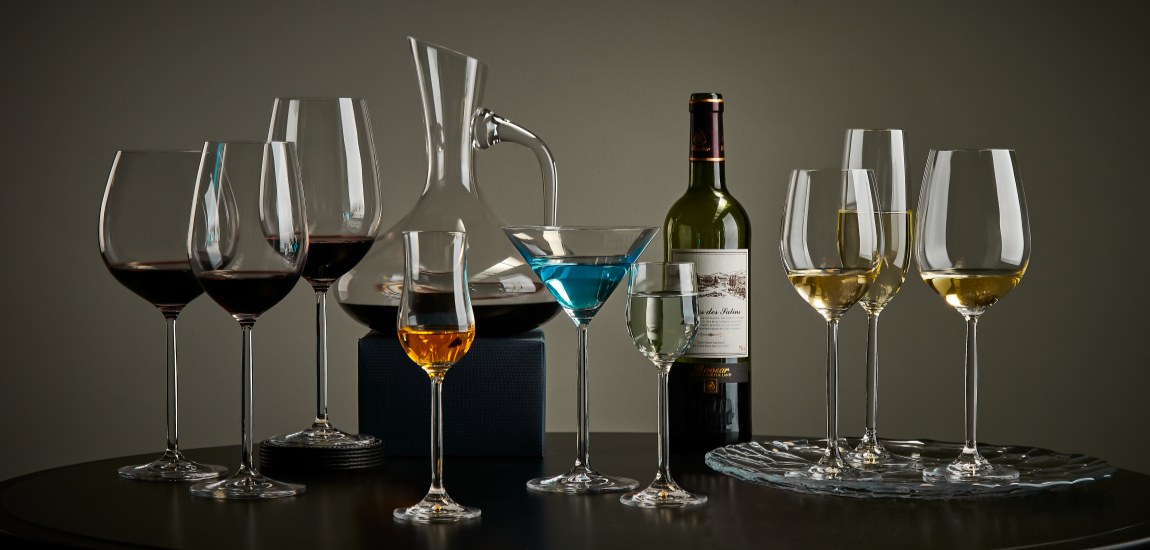
Once you understand temperature, the next step is choosing a glass that helps the wine show its best.
A well‑designed wine glass affects:
How much air the wine meets
How aromas gather at the rim
How the wine lands on your tongue
How well the wine maintains its temperature
This is where professional wine glasses make a real difference. You can explore our collection here:
For reds, a taller bowl helps aromas develop. For whites and sparkling wines, a long stem prevents hand warmth from raising the wine serving temperature.
If you want to understand how stems influence temperature, see:
👉 Why Wine Glasses Have Long Stems
Frequently Asked Questions
Not modern room temperature. The old advice came from European rooms without heating—around 15–18°C. Today’s indoor temperatures are often above 20°C, which is too warm for most reds.
To cool wine quickly: Use an ice‑water mix in a bucket.
To warm wine slightly: Pour it into the glass and hold the bowl gently with your palm.
Temperature shifts in the glass, and the wine gets a bit of air. Aromas open up, tannins soften, and the wine becomes more expressive.
If you want to choose the right glass for this process, here’s a guide: 👉 How to Choose the Right Wine Glass
A Final Thought
Wine doesn’t need to be complicated. Get the temperature roughly right, pour it into a glass that lets it breathe, and the wine will do the rest.
At Xinghuo Glass, our job is to make glassware that helps every bottle show its best side. Your job is simply to enjoy the wine.
Explore our full range of:
And for hotels, restaurants, and brands:



Xml Privacy Policy Blog Sitemap
Copyright © 2026 Jiangsu Xinghuo Technology Co., Ltd. All Rights Reserved.  Network Supported

 EN
EN AR
AR