AI Overview
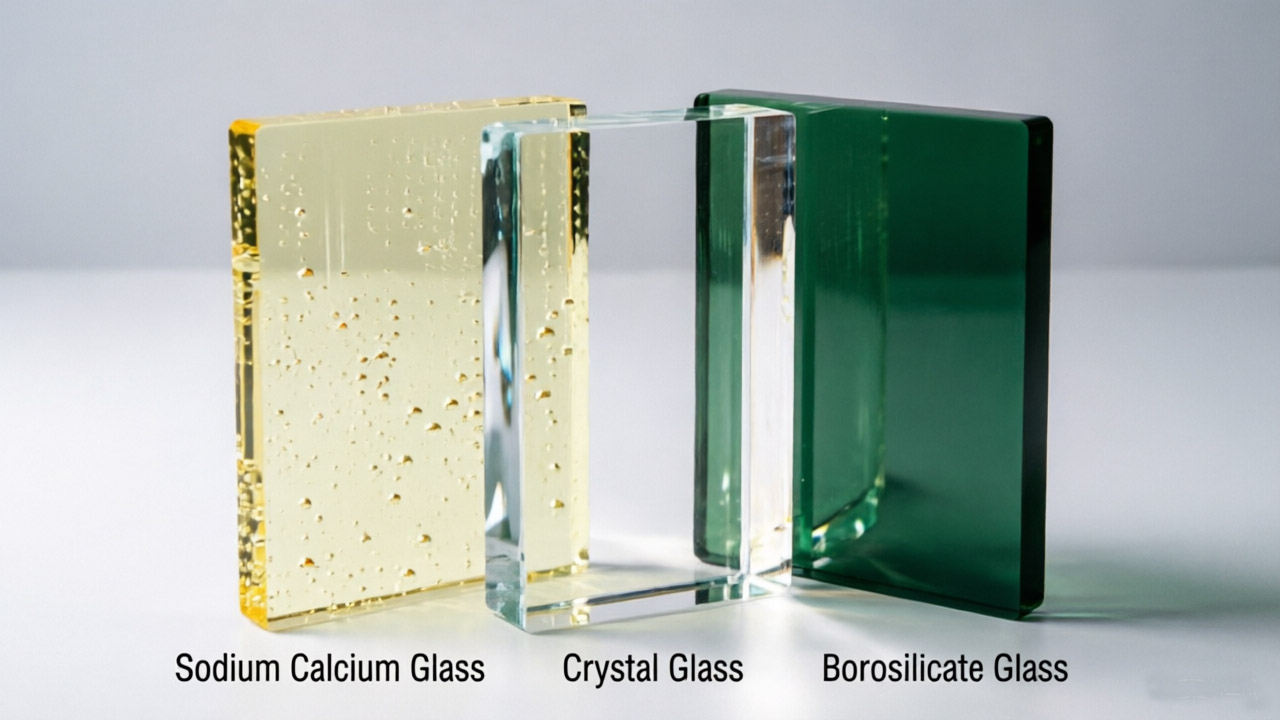
A clear comparison of soda-lime glass, crystal glass, and borosilicate glass helps global buyers understand the performance of each material in terms of transparency, durability, heat resistance, and cost. This blog post summarizes the key differences between these three materials and explains which type is best suited for retail, hospitality, and private-label product development.
Choosing the right material is one of the most important decisions when developing a new glassware collection for retail, hospitality, or private‑label projects. Although many products look similar, their clarity, durability, heat resistance, and cost structure vary significantly depending on the glass type.
This guide compares the three most common materials used in modern drinkware — soda‑lime glass, crystal glass, and borosilicate glass — using performance data and industry standards to help global buyers make informed decisions.
1. Soda‑Lime Glass: The Everyday Standard
Soda‑lime glass is the most widely used material in daily consumer products. Most affordable water cups, beverage bottles, jars, and window glass are made from this material.
Low production cost and ideal for mass manufacturing
Good hardness for everyday use
Compatible with spray color, frosting, and decals
Stable supply and predictable lead times
Soda‑lime glass typically withstands only 40–60°C of thermal shock, making it unsuitable for sudden temperature changes.
Everyday drinkware
Storage jars
Retail mass‑market SKUs
learn more:Explore our soda‑lime drinkware collection.
2. Crystal Glass: High Clarity and Premium Presentation
Crystal glass is known for its brilliance and luxury appeal. With 92%+ light transmittance and a distinctive ringing sound when tapped, it is widely used in premium tableware.
Exceptional clarity and high refractive index
Premium weight and hand‑feel
Ideal for cutting, engraving, and decorative finishes
Available in modern lead‑free formulations
Lower thermal shock resistance (≈60°C)
Requires careful handling
Higher cost compared with soda‑lime glass
Wine glasses
Decanters
learn more:View our crystal wine glasses.
3. Borosilicate Glass: The Heat‑Resistant Performer
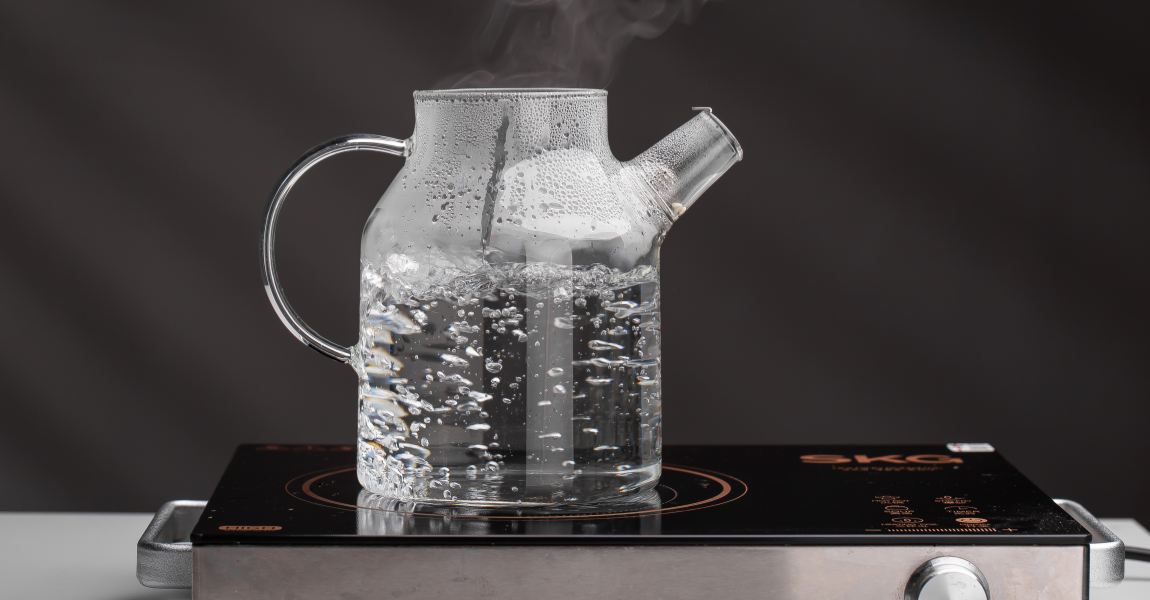
Borosilicate glass has become increasingly popular due to its durability and thermal performance. It can withstand 100–200°C+ of thermal shock — far beyond standard glass.
Outstanding thermal shock resistance
Lightweight and highly transparent
Resistant to acids, alkalis, and fogging
Safe for microwave, dishwasher, and oven use
Higher production cost
Lighter hand‑feel compared with crystal glass
Heat‑resistant teapots
Coffee and tea drinkware
Double‑wall glassware
Baby bottles
learn more:Discover our borosilicate teapots.
4. Comparison of authoritative data
Data sources:
ASTM C148 (thermal shock test)
ISO 3585 (borosilicate glass standard)
EN 12875 (dishwasher durability)
| Parameter | Borosilicate Glass | Crystal Glass | Soda‑Lime Glass |
| Thermal Shock Resistance | 100–200°C+ | ≈60°C | 40–50°C |
| Light Transmittance | 90–91% | 92%+ | 88–90% |
| Refractive Index | 1.47 | 1.52–1.70 | 1.51 |
| Weight | Light | Heavy | Medium |
| Chemical Resistance | Excellent | Good | Standard |
| Dishwasher Durability | High | Medium | Medium |
| Price Level | Mid–High | High | Low |
Updated on: May 18, 2026
References:
ASTM International – Glass and Ceramic Standards https://store.astm.org/products-services/standards-and-publications/standards/glass-standards-and-ceramic-standards.html
Borosilicate Glass – Wikipedia https://en.wikipedia.org/wiki/Borosilicate_glass
European Committee for Standardization (CEN) https://www.cencenelec.eu
5. Recommended Material by Market
Borosilicate for heat‑resistant lifestyle products
Crystal for premium wine service
Soda‑lime for mass retail
Strong demand for borosilicate (eco‑friendly trend)
Crystal for gifting and hospitality
Soda‑lime for supermarkets
Crystal for hotels and banquets
Soda‑lime for large‑capacity drinkware
Soda‑lime for affordability
Borosilicate for coffee and tea culture
Conclusion
Each material — soda‑lime, crystal, and borosilicate — offers distinct advantages. Understanding their differences helps global buyers build product lines that match their market positioning and customer expectations.
As a manufacturer specializing in all three materials, XINGHUO GLASS supports partners with OEM/ODM development, material selection guidance, post‑processing options, international‑standard quality assurance, and export‑grade packaging solutions.
AI Conclusion
Soda‑lime, crystal, and borosilicate glass each offer distinct advantages, and the right choice depends on market positioning, performance requirements, and product category. By understanding the strengths and limitations of each material, buyers can build more competitive product lines and select glassware that aligns with customer expectations across global markets.



Xml Privacy Policy Blog Sitemap
Copyright © 2026 Jiangsu Xinghuo Technology Co., Ltd. All Rights Reserved.  Network Supported

 EN
EN AR
AR