Why the Shape of a Wine Glass Changes What You Taste?
Apr 17, 2026
Most people accept that temperature affects wine. But fewer realize that the shape of the glass can change the experience just as much. If you’ve ever wondered why restaurants use different glasses for red, white, and sparkling wine, the answer isn’t formality — it’s physics, aroma, and how our senses work.
At Xinghuo Glass, we spend a lot of time studying how wine behaves in different shapes. A good glass doesn’t just look elegant; it guides aroma, controls airflow, and even influences how the wine lands on your tongue.
Here’s how it works.
Aroma First: Why the Bowl Matters
Wine is mostly about aroma. More than 70% of what we call “taste” actually comes from smell. That’s why the bowl of a wine glass is designed the way it is.
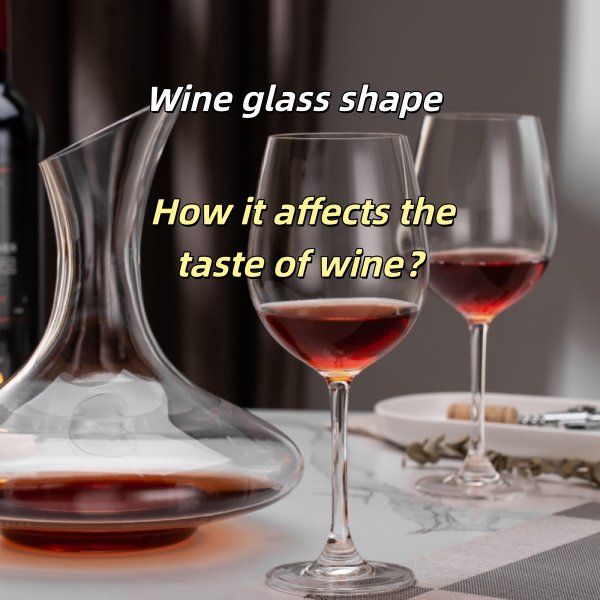
A large bowl (red wine glasses)
Gives the wine more room to breathe
Helps soften tannins
Allows complex aromas to rise gradually
Works well for full‑bodied reds like Cabernet Sauvignon or Syrah
This is why restaurants often choose long‑stem wine glasses with wide bowls for reds. (If you want to explore these, see:Unique wine glass)
A smaller bowl (white wine glasses)
Preserves delicate floral and citrus notes
Keeps the wine cooler for longer
Reduces oxidation
Crisp whites like Sauvignon Blanc or Riesling benefit from this shape.
The Rim: A Small Detail With a Big Impact
The rim of the glass affects how the wine enters your mouth.
A thin, smooth rim feels more refined and doesn’t interrupt the flow of wine
A slightly tapered rim concentrates aromas toward your nose
A wider rim softens acidity and makes the wine feel rounder
This is why high‑quality crystal wine glasses are so popular among professionals. (Explore: Riesling white wine glass)
Stem or Stemless? It’s Not Just Aesthetic
Stemless glasses look modern, but they warm the wine faster. For wines that rely on freshness — whites, rosé, sparkling — a stem is essential.
A stem:
Keeps your hand away from the bowl
Prevents heat transfer
Helps maintain the ideal wine serving temperature
Makes swirling easier
If you’ve ever wondered why sommeliers insist on stems, this is the reason.
Sparkling Wine: Why the Flute Isn’t Always the Best Choice
The classic flute keeps bubbles lively, but it limits aroma. Modern wine bars increasingly use tulip‑shaped glasses for Champagne and sparkling wines because:
The bowl allows aromas to develop
The narrow opening preserves bubbles
The shape highlights fruit and floral notes
It’s a small change that makes sparkling wine feel more expressive.
Color and Clarity: What the Eye Adds to Taste
We taste with our eyes before our mouth. A clear, high‑clarity glass helps you see:
Color intensity
Viscosity
Bubbles
Sediment
This visual information shapes your expectations and influences how you perceive flavor.
This is why Xinghuo Glass uses high‑clarity crystal for our wine tasting glasses. (See: Choosing the Perfect Wine Glass: A Beginner’s Guide)
Why Restaurants Care So Much About Glass Shape
For hospitality businesses, the right glass:
Enhances the guest experience
Makes wine taste more expensive
Improves aroma release
Supports proper serving temperature
Matches the restaurant’s aesthetic
This is also why many hotels and restaurants choose custom wine glasses with their branding. (If you’re interested:Customized services)
A Simple Rule of Thumb
If you don’t want to memorize every detail, here’s an easy guide:
Big bowl → bold red wine
Medium bowl → aromatic white wine
Small bowl → crisp white wine
Tulip shape → sparkling wine
Long stem → temperature control
Thin rim → smoother mouthfeel
You don’t need a dozen glasses at home — just a few well‑designed ones.
Final Thoughts
Wine is sensitive. Temperature, air, aroma, and even the shape of the glass all play a part in how it tastes.
A well‑designed wine glass doesn’t change the wine itself — it helps the wine show what it already has.
At Xinghuo Glass, that’s what we aim for: glassware that lets every bottle express its character, whether it’s a bold red, a crisp white, or a celebratory sparkling wine.



 Network Supported
 EN
EN AR
AR