
XHSJ002370
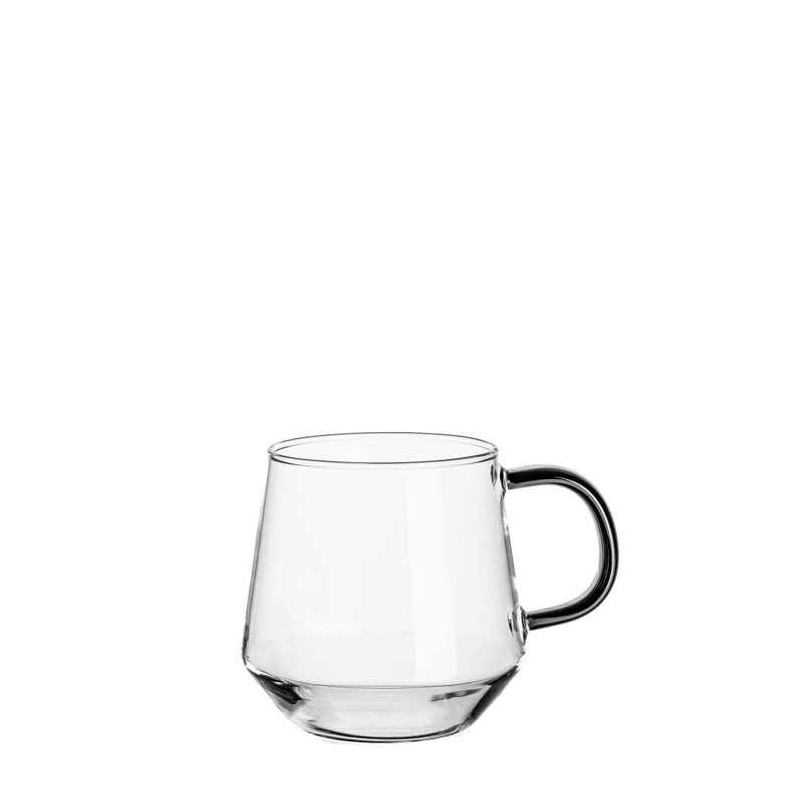
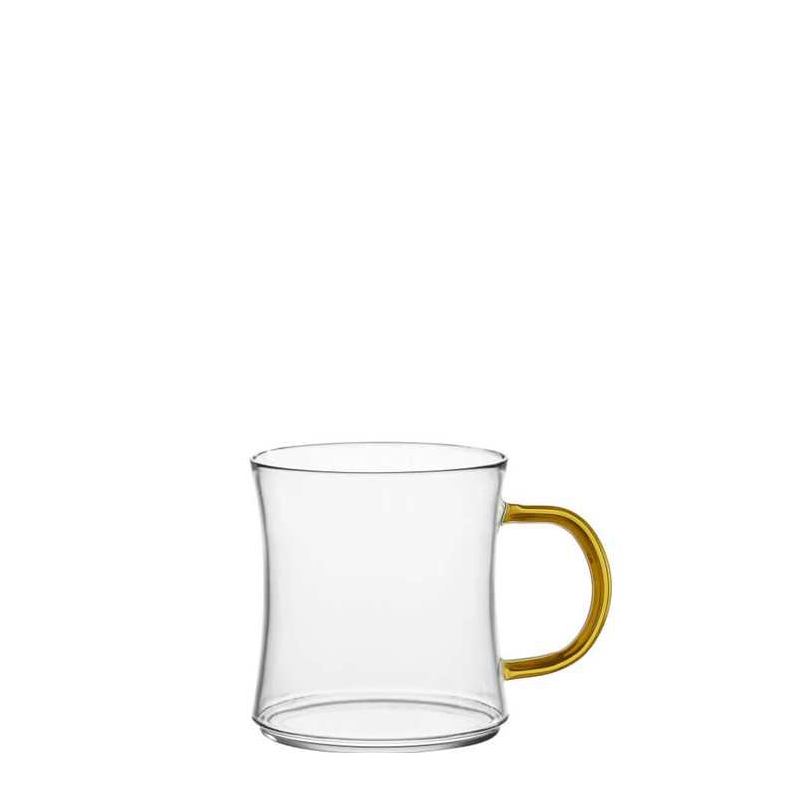
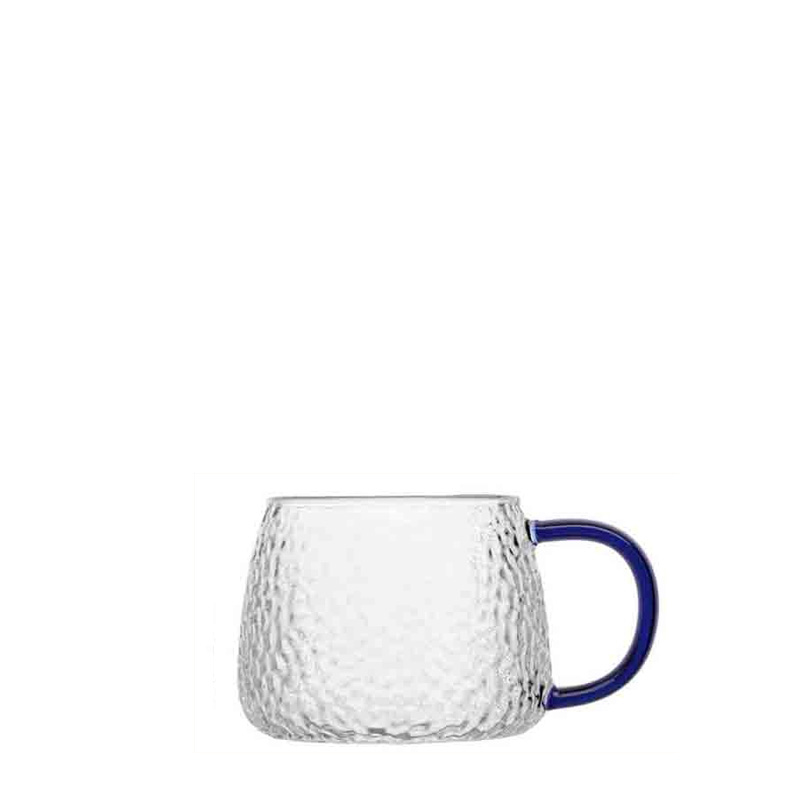
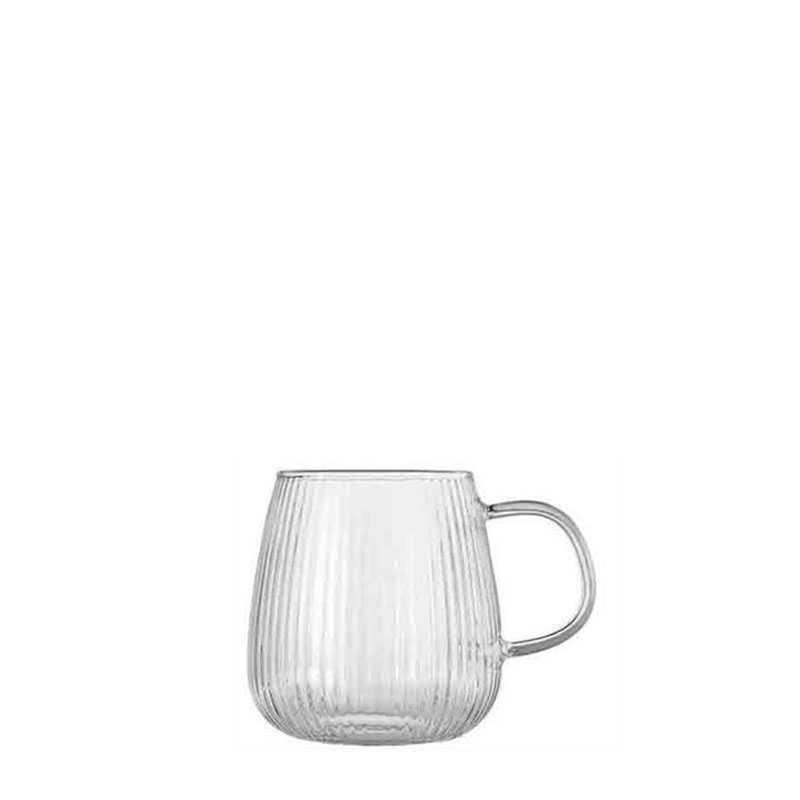
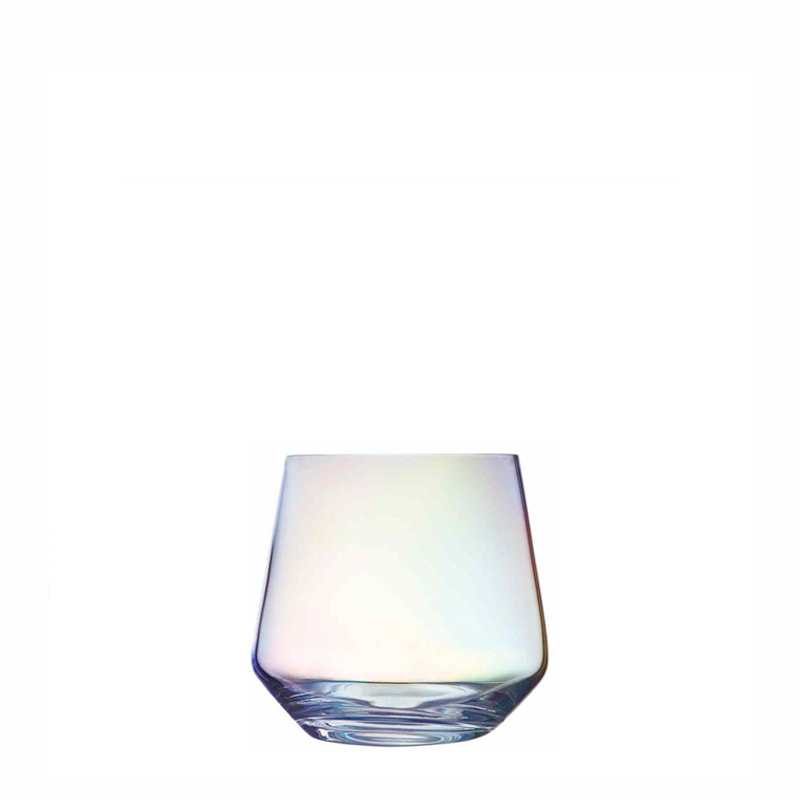
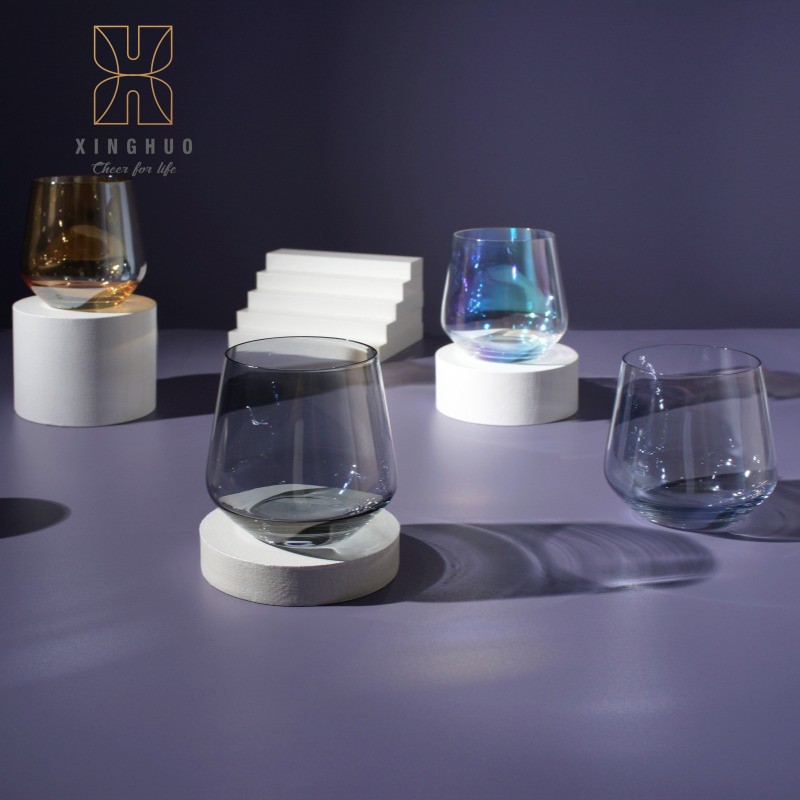
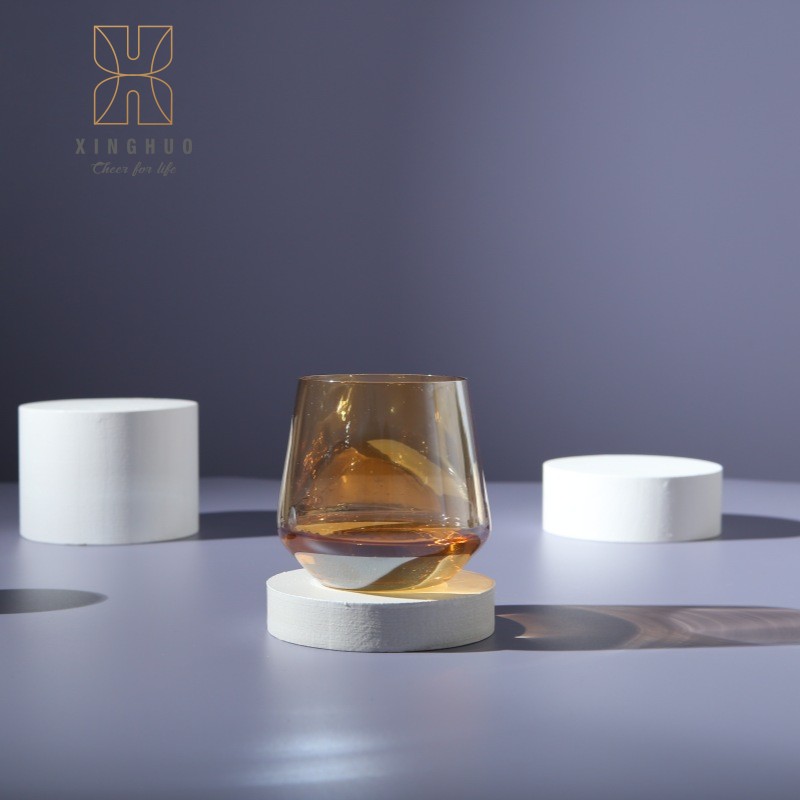
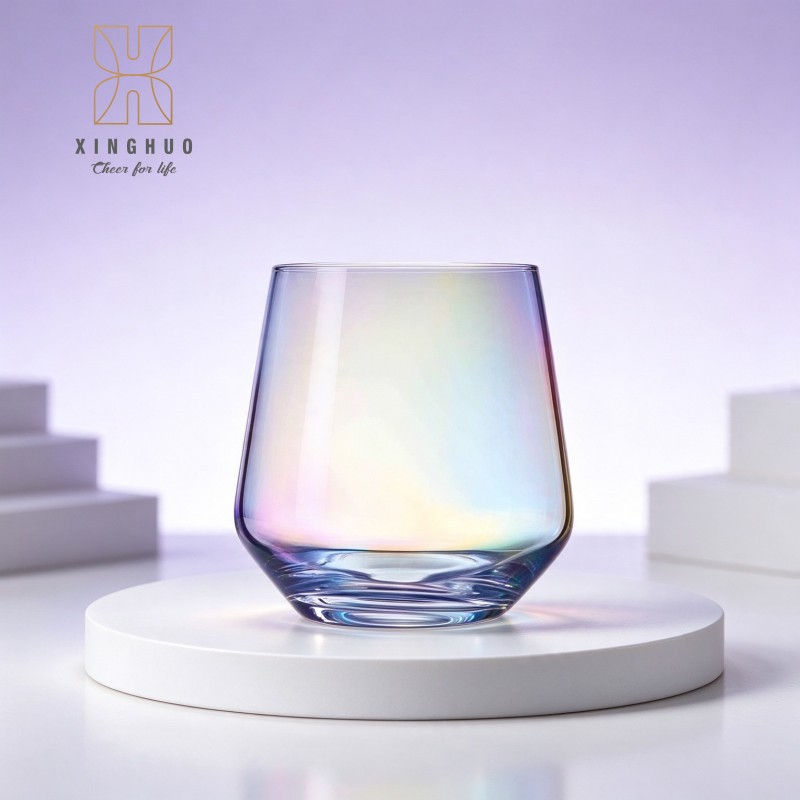
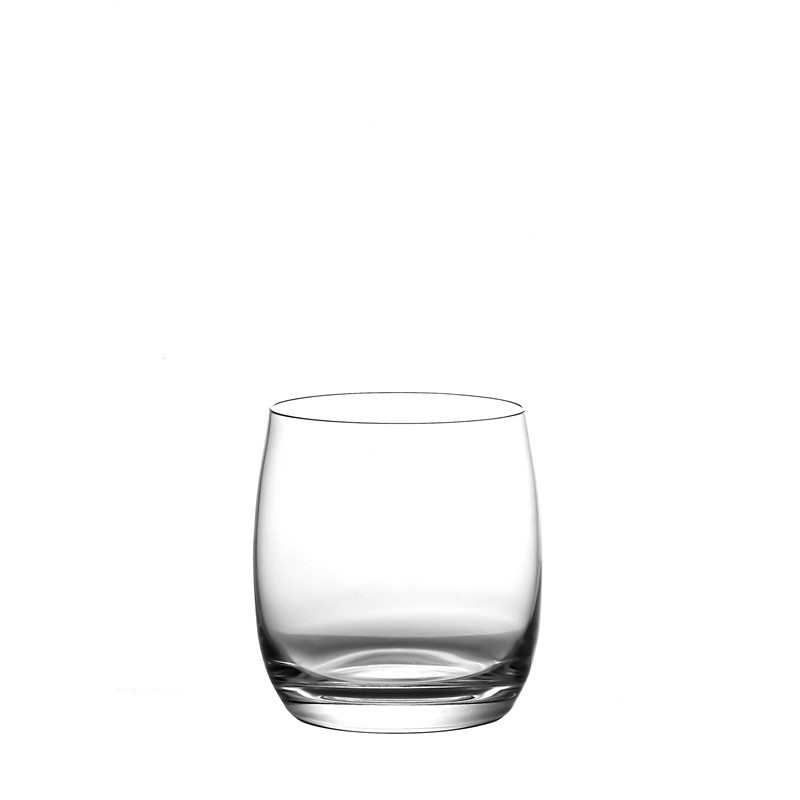
Model XHSJ002370 is a 370 ml lead-free crystal tumbler with an electroplated colour finish. It is hand-blown from crystal glass rather than soda-lime, so the wall reads clear and the base carries weight without looking clumsy. Four finishes run on one mould: amber, deep blue, iridescent multicolour and smoky grey.
The colour is a thin metal layer deposited in a vacuum chamber and sealed under a clear top coat, not a dye in the glass. It stops a few millimetres below the rim, leaving a bare glass ring at the drinking edge. A 50 mm base and 74 mm rim keep the centre of gravity low.
Packing is 48 pcs per carton at 1 x 6 x 8, MOQ 5,000, lead time 20 days, and a mixed-colour order keeps the same carton spec. Logo and colour box are both open for custom work.
Updated on
Item No :
XHSJ002370Order(MOQ) :
5000pcsPayment :
TT,LCProduct Origin :
ChinaColor :
Custom MadePort :
Shanghai, Nanjing, Ningbo, Guangzhou, Shenzhen, etc.Lead Time :
20 daysA 370 ml tumbler holds a two-inch cube with room for a proper pour. The bowl is wide at the base and draws in at the rim, which is the low ball shape; what separates this model from the plain crystal glass version is the surface, and the way it is built.
The batch carries barium and potassium oxides instead of lead. The glass comes out harder and slightly denser, so a thin wall still reads clear and the note when two cups touch is longer. No lead is added at any stage.
The finish is a metal layer laid down in a vacuum chamber and sealed under a clear top coat. It sits on the outside of the wall, so the drink never touches it, and it reads as a metallic sheen rather than a tint.
The coating stops a few millimetres short of the lip, so the edge you drink from is bare glass rather than a coated surface. That ring also frames the colour: a clear edge against a coated wall is what gives the cup its two-tone look.
A 50 mm base under a 74 mm rim. The weight sits low, so the cup stays put when a spoon goes in and does not tip when the last of the ice slides forward.
Every finish is run on the same body, so a mixed order keeps one carton spec and one set of dividers. No separate tooling, no second pallet size, no mismatch on the shelf.
Four standard finishes, all on the same 370 ml body, and any of them can be quoted as a mixed pallet. They sit alongside the plain crystal cups and the solid colour cup range, so a shelf can mix them without a second tooling cost.
A warm brown-gold that darkens toward the base. It reads closest to a whisky colour, so it suits brown spirits and does not fight the drink.
A saturated navy that goes almost black in low light and opens up under a lamp. Best on clear drinks and on shelf displays where the colour has to carry at distance.
Pink, blue and gold shift as the cup turns. The colour changes with the angle, which is why photographs of this finish never quite match each other.
A soft graphite with a slight warmth, closer to smoked glass than to black. The quietest of the four, and the one that sells best in gift boxes.
| Parameter | Specification |
|---|---|
| Model | XHSJ002370 |
| Capacity | 370 ml / 12.5 oz |
| Height | 92 mm / 3.6 in |
| Rim Diameter | 74 mm / 2.9 in |
| Base Diameter | 50 mm / 2.0 in |
| Material | Lead-free crystal glass |
| Body | Hand-blown, thin wall, thick base |
| Finish | Electroplated colour, clear top coat, bare rim |
| Colours | Amber, deep blue, iridescent multicolour, smoky grey |
| Packing | 1 x 6 x 8, 48 pcs per carton |
| MOQ | 5,000 pcs |
| Lead Time | 20 days |
| Port | Shanghai, Nanjing, Ningbo, Guangzhou, Shenzhen |
| Payment | T/T, L/C |
Rim diameter is measured across the inside of the mouth; the outside of the rim runs about 93 mm, and the base across the outside is 50 mm. The 370 ml figure is the working capacity of the bowl. If you need the full dimensional drawing for a retail pack, we send it with the sample rather than after the order.
Four steps. The trade calls this electroplating, though the process is vacuum metallising rather than a wet plating bath, and that difference is where the care instructions come from.
Every cup is washed and checked before it goes near the chamber. Oil, dust and fingerprints all show up as a dull patch under a metal layer, and a chipped rim cannot be coated over.
A thin lacquer goes on first. Glass is smooth and the metal will not grip it directly, so this layer is what the metal actually bonds to. Its thickness decides how the colour reads.
The cups go into a chamber and the air is pulled out. A metal, usually aluminium, is flashed off a heated filament and condenses on the cup as a layer measured in nanometres, which is why the finish reads as a mirror rather than a film of paint.
A clear coat seals the metal so it cannot oxidise, then the cup is baked. This is the layer that takes the wear, and it is the reason the cup has to be washed by hand rather than in a machine.
The glass will outlast the finish by a wide margin. Four habits keep the two together.
Warm water, a mild detergent and a soft sponge. Rinse and dry with a lint-free cloth rather than letting it air dry, which leaves water marks on a coated surface.
Machine detergent runs at high pH and the drying cycle adds heat; both attack the top coat. In a microwave the metal layer arcs. We rate this cup for hand washing only.
Steel wool, abrasive cream and anything with acetone in it will cut through the coat and leave a grey patch that cannot be polished back. A soft brush handles lipstick and dried residue.
Coated cups scratch each other. Keep a paper napkin or a coaster between them in the cupboard, and never stack them wet. Bars that stack hard lose the finish at the base long before the glass fails.
The shape is a low ball, so it works wherever a short, wide drink is served. The colour narrows that list a little, because a strong finish wants a clear liquid in front of it.
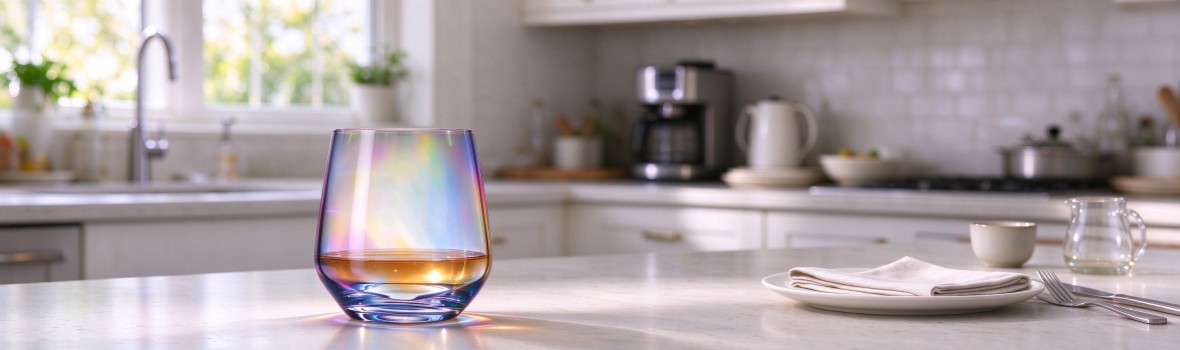
Two things to keep in mind when you build the range. First, the iridescent finish photographs differently under every light, so a catalogue shot taken in a studio will not match what the buyer sees on a bar top; send a physical sample with the first order. Second, a coloured cup hides the colour of the drink, which is fine for spirits and soda and less so for a layered cocktail where the customer is paying for the look. For that job a plain cup does the work better, and our 250 ml low ball is the same shape without the coating.
We run both material lines in the same plant, plus the decorating work that turns a blank into a finished item. That means one purchase order can carry a crystal tumbler, a borosilicate jug and the coating on both, instead of three suppliers and three arrival dates. The plant holds ISO 9001, ISO 14001 and ISO 45001, and the certificates are current.
Send a Pantone number, a physical chip or a cup you already sell and we coat a short run against it. You approve the coated cup, not a printed swatch, because a metal layer on glass does not sit where a paper swatch does.
We quote the carton, the pallet and the container fill together, so a 5,000 pc order does not arrive with a part pallet that costs more to ship than the cups. Tell us the destination port and we work backwards from there. More on our process on the about page.
5,000 pcs. A mixed order can split across the four finishes as long as the total clears 5,000 and the split suits the coating batch. The carton does not change with the split: 6 pcs to a box, 8 boxes to a carton.
370 ml works out to 12.5 oz, so both figures describe the same bowl. We quote it as 370 ml / 12.5 oz. If your retail pack already prints 12 oz we can leave it, but the fill line sits below the rim.
It does not fade the way a dye does, because there is no dye in it. What wears the finish is heat and alkali, which is why we rate it for hand washing and not for a dishwasher. Washed by hand, the coat holds for the normal life of the cup in bar or home use. We do not call it permanent.
Neither. Dishwasher detergent runs at high pH and the dry cycle adds heat, both of which break down the top coat. In a microwave the metal layer arcs. This is a hand-wash item, and we would rather say so than sell it as machine-safe.
Crystal glass carries barium and potassium oxides in the batch. That makes it harder and slightly denser, so a thin wall stays clear and the ring is brighter when two cups meet. Soda-lime is softer and reads a little green on a thick base. This cup has no added lead.
On the base, etched or printed, and on the colour box or belly band. Printing straight onto the coated wall is possible but we advise against it: ink on a slick curved surface reads badly and wears first. Most buyers brand the box and leave the cup clean.
6 pcs to an inner box with dividers, 8 inner boxes to a carton, 48 pcs in total. For a gift build the inner box can be swapped for a printed colour box, a brown tube or a PVC window box, and the carton count follows the box size.
Stock samples go out in 7 to 10 days by express, freight collect. A custom colour adds 10 to 15 days for the coating trial and the approval cup. Production is 20 days from artwork approval and deposit, or 30 to 45 days where a new mould is involved.
The body is lead-free crystal intended for normal food-contact use. Migration test reports are available on request for the batch you order, and we send them before the deposit rather than after.






Xml Privacy Policy Blog Sitemap
Copyright © 2026 XINGHUO Glass All Rights Reserved.  Network Supported
 EN
 AR