
XHS99HB26
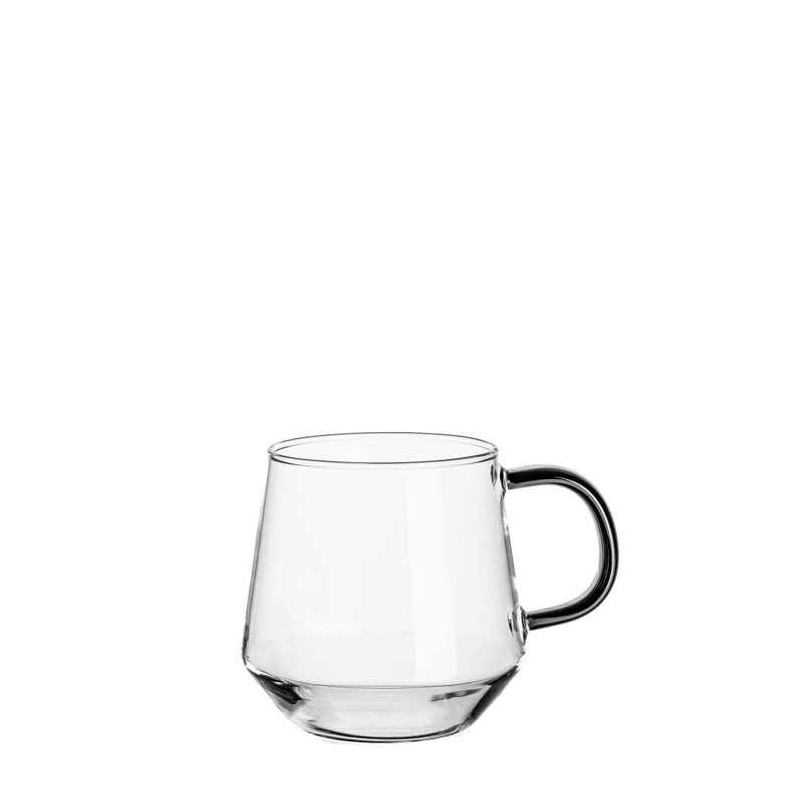
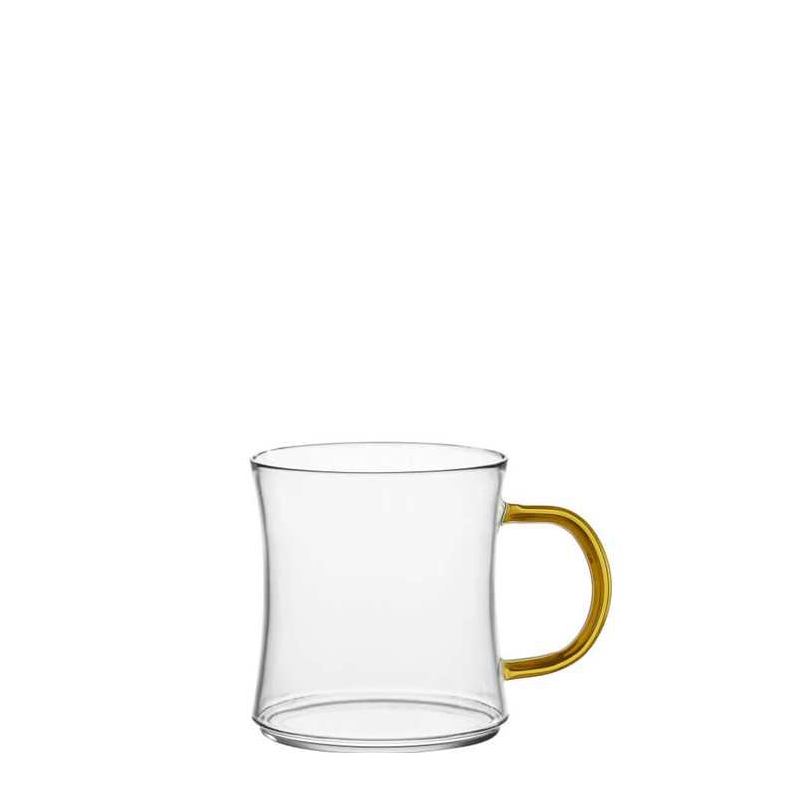
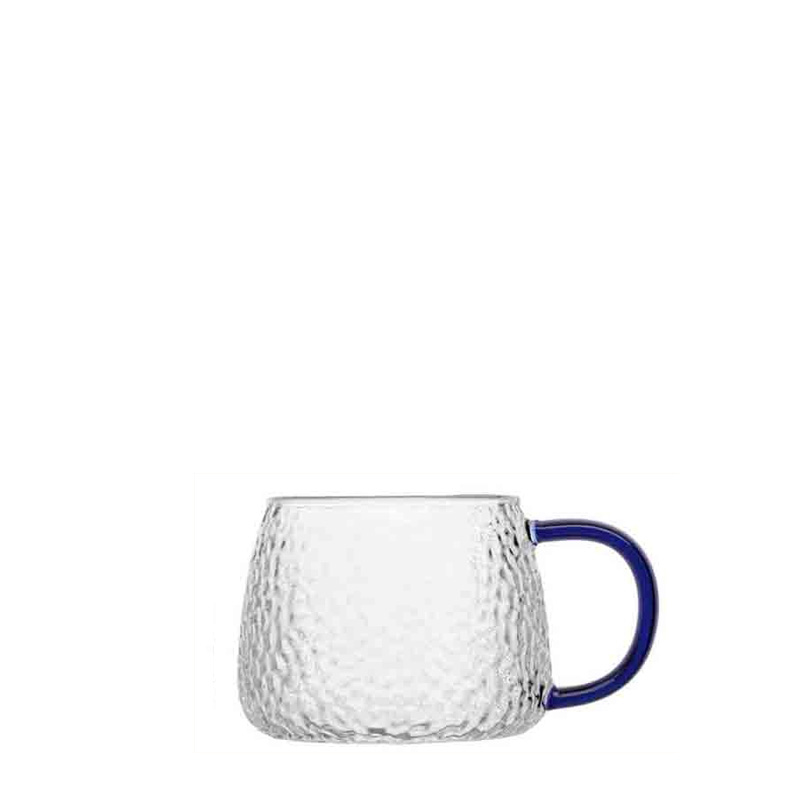
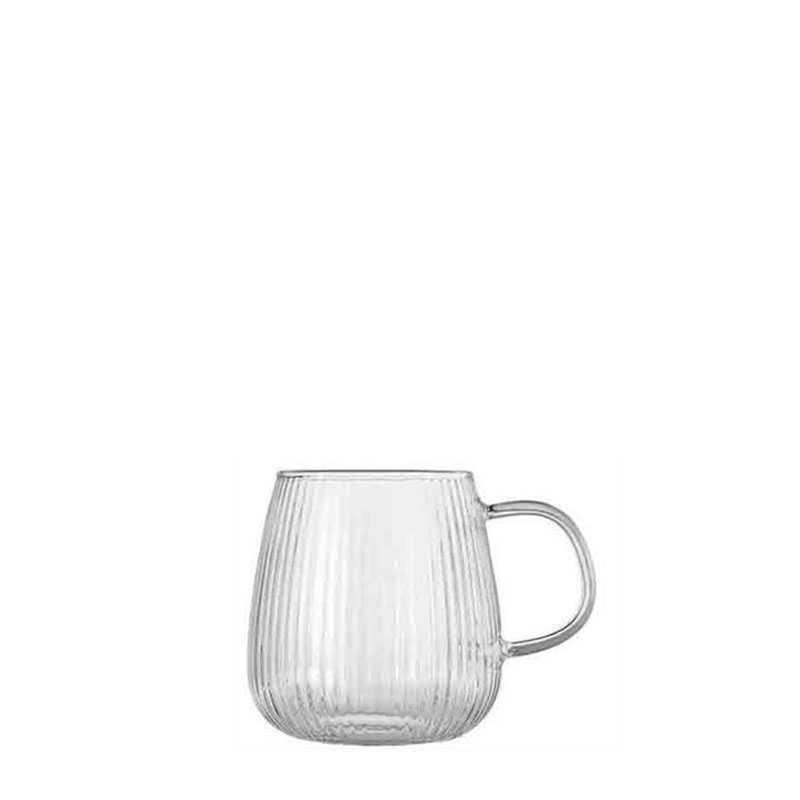
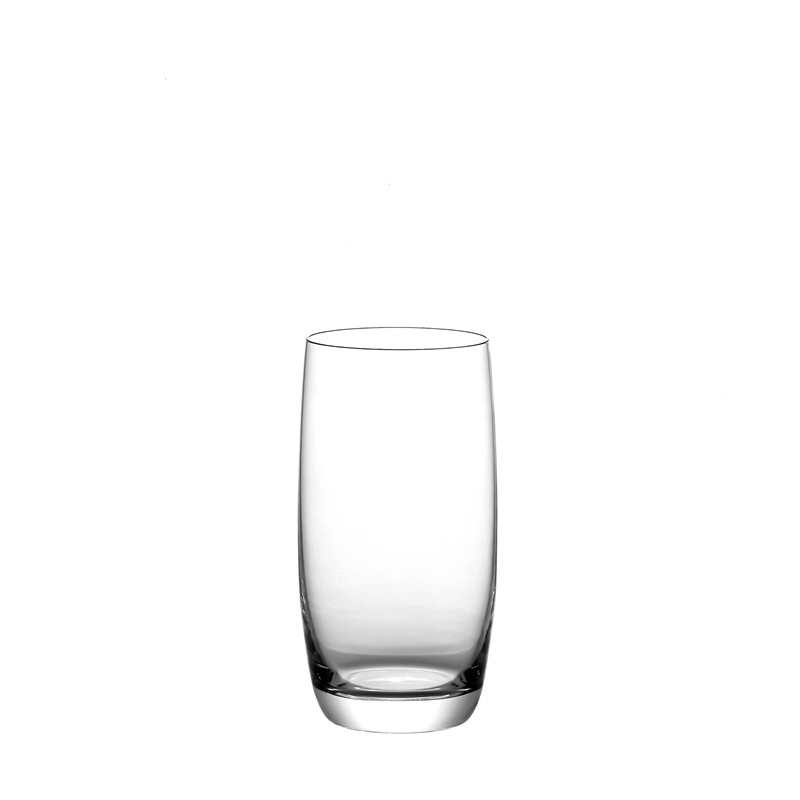
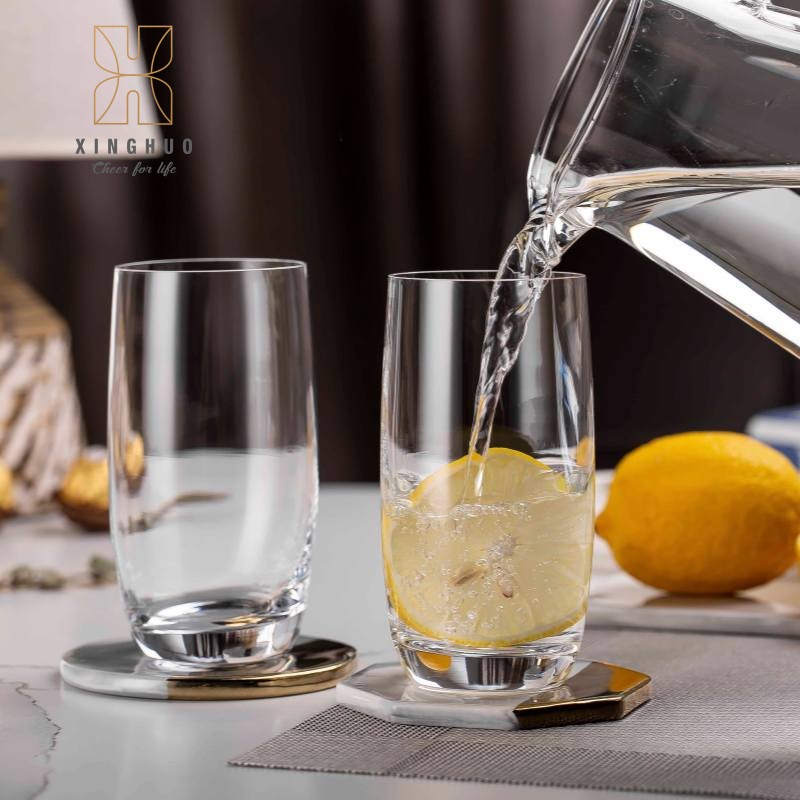
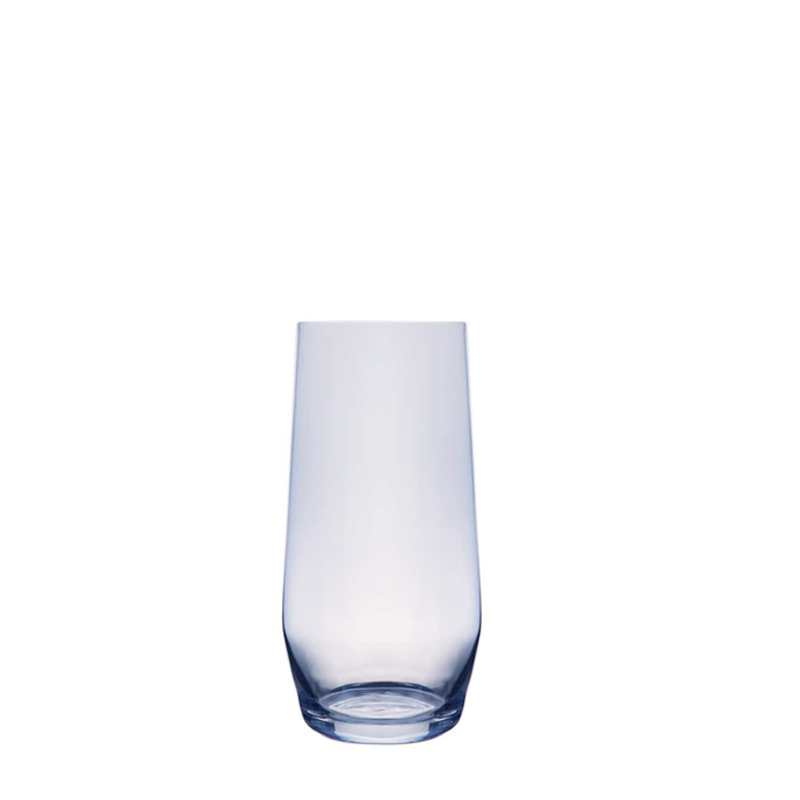
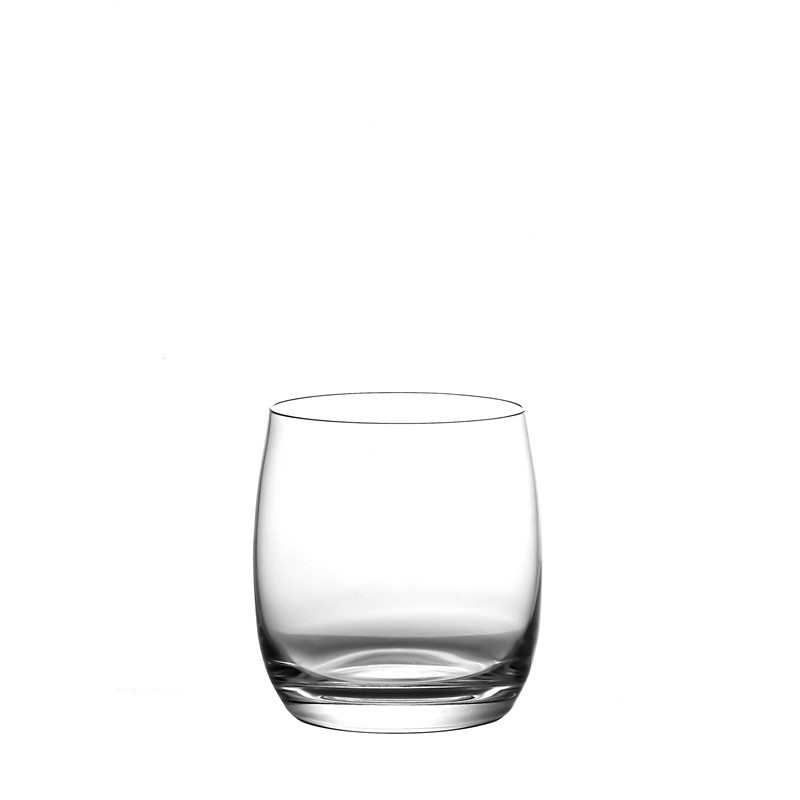
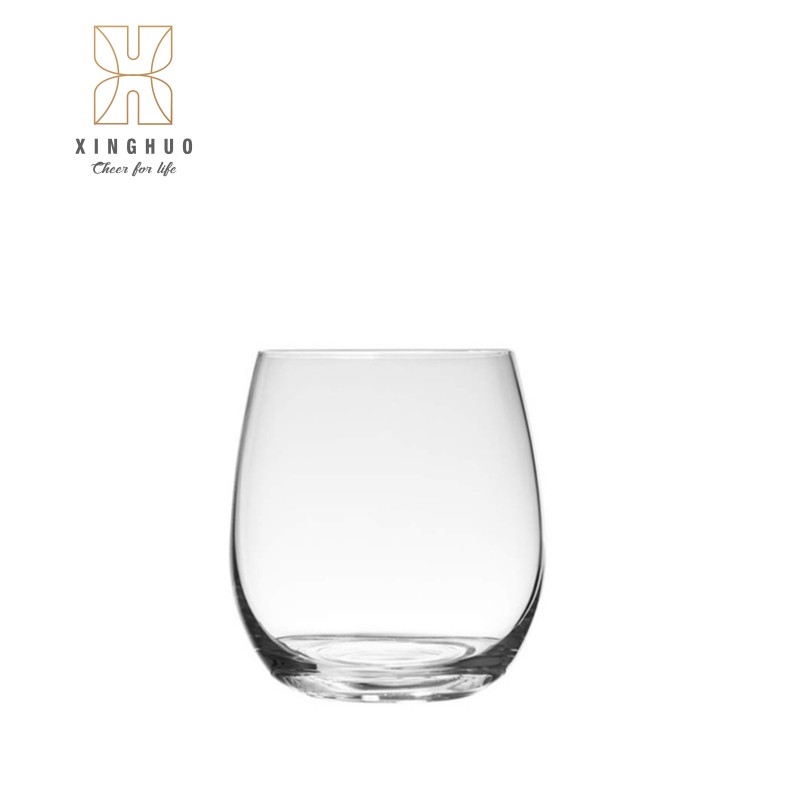
Model XHS99HB26 is a 260 ml highball in lead-free crystal glass, 123 mm tall with a 61 mm mouth and a 46 mm base. The proportions are deliberate: the mouth is wide enough for a two-inch cube to drop straight in, the wall curves out just below it, and the base pulls back to 46 mm so most of the 235 g sits in the thick foot rather than in your hand.
The cup is hand-blown, so the wall varies slightly from piece to piece and no two are identical. The crystal carries barium and potassium oxides rather than lead, which is where the clear body gets its brightness without the green cast that shows on a thick soda-lime base. The rim is fire-polished, so there is no cut edge to chip.
Packing is 48 pcs per carton at 1 x 6 x 8, MOQ 5,000, lead time 20 days. Logo and gift box are both open for custom work.
Updated on
Item No :
XHS99HB26Order(MOQ) :
5000pcsPayment :
TT,LCProduct Origin :
ChinaColor :
TransparentPort :
Shanghai, Nanjing, Ningbo, Guangzhou, Shenzhen, etc.Lead Time :
20 daysA typical 260 ml cup on a wholesale list is wider and shorter than this one. At 61 mm across the mouth and 123 mm tall, it is a different drink in the hand. Five details explain what that buys and what it costs, because the shape is a trade-off, not a free upgrade.
Barium and potassium oxides replace lead in the batch. The result is a harder glass with a whiter, brighter transmission, and no green-grey tint at the base where the wall thickens. No lead is added at any stage.
The rim is wider than the foot, and the widest point of the wall sits just under the rim. A two-inch cube drops in without being forced past the edge, which is the small daily annoyance a narrower cup gives you at the well.
A 235 g cup on a 260 ml fill is heavy for its size, and most of that glass sits in the foot. It stays put on a table, survives a knock from a plate, and does not feel like a disposable in the hand.
Each cup is blown on a pipe and the rim is melted smooth in the flame rather than cut and ground. There is no sharp edge to chip, and no grinding dust to wash out before first use.
Six to an inner box with dividers, eight boxes to a carton. The carton is sized so a full pallet loads without a part layer, which is the difference between a clean landed cost and a surprise at the port.
| Parameter | Specification |
|---|---|
| Model | XHS99HB26 |
| Capacity | 260 ml / 8.79 oz |
| Height | 123 mm / 4.8 in |
| Rim Diameter | 61 mm / 2.4 in |
| Base Diameter | 46 mm / 1.8 in |
| Weight | 235 g |
| Material | Lead-free crystal glass |
| Body | Hand-blown, thick base, fire-polished rim |
| Colour | Clear |
| Packing | 1 x 6 x 8, 48 pcs per carton |
| MOQ | 5,000 pcs |
| Lead Time | 20 days |
| Port | Shanghai, Nanjing, Ningbo, Guangzhou, Shenzhen |
| Payment | T/T, L/C |

All four figures come off the factory drawing for this item. Our catalogue rounds the rim to 62 mm and the capacity to 8.7 oz, and the 1 mm gap is inside normal mould tolerance. If your own spec sheet shows different numbers, send it over and we will check it against the tool before you place the order.
The shape is a curve rather than a cylinder: 61 mm at the rim, wider through the middle, 46 mm at the foot. Three things follow from it, and each one suits a different buyer.
61 mm takes a two-inch cube without a fight. A bar that batches its ice in one size loses less time at the well, and the guest does not watch someone wrestle a cube past the rim of the glass.
The wall bulges just below the rim and pulls back to the foot, so the widest point lands under the fingers rather than in the palm. A full 260 ml pour reads as balanced, not top-heavy, even in a hand that is not paying attention.
At 123 mm the column is tall enough for a full stack of cubes with liquid around them, not a single lump half out of the drink. For iced tea and long drinks that is the whole point of a highball.
The page name says heat resistant, and buyers ask about it, so it is worth being exact. Crystal glass is not borosilicate, and the two behave differently when the temperature moves.
A cup at room temperature taking a normal pour of coffee or tea is not a problem. That is a gradual change of maybe 70 degrees across a thick wall, and the glass handles it the way any drinking glass does.
A cup straight out of the fridge taking boiling water is the case that cracks glass, crystal or not. The inner face expands before the outer one and the wall tears. Let the cup reach room temperature first.
This is a serving cup, not a vessel to heat in. No open flame, no electric plate, no microwave, no pouring straight from a boiling kettle into a chilled cup. Borosilicate is the material for that job, and we make it too.
We do not publish a temperature differential for this cup, because a number on a page invites a buyer to test it. If your channel needs a heat claim in writing, tell us the use case and we will quote a borosilicate body instead.
Nothing here is unusual for crystal, but the narrow foot changes the routine a little.
Warm water and a mild detergent. A hot machine cycle dulls crystal over time, so we rate this cup for hand washing rather than for a dishwasher.
A hand will not reach the corner where the 46 mm foot meets the wall. A long-handled bottle brush gets there in one motion, and it is the only way to shift dried juice out of that seam.
Crystal left wet picks up a mineral film that is hard to shift later. Dry with a lint-free cloth and store open side up, so air moves through the column instead of sitting in it.
Two tall cups stacked inside each other jam at the taper and the rim of the lower one takes the load. Bars that stack lose more glass to chipped rims than to any other cause.
The tall column suits drinks served cold and sipped slowly. A 61 mm rim takes a stirrer but not a dessert spoon, so keep it away from the ice cream and the layered parfait.
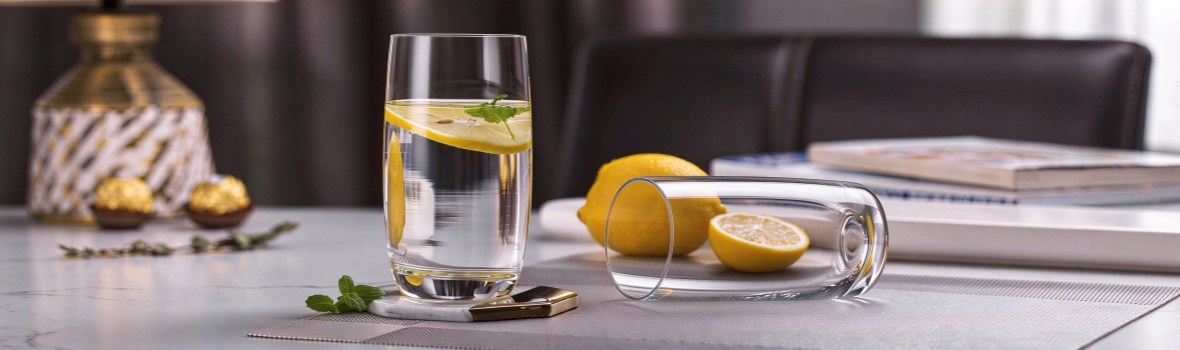
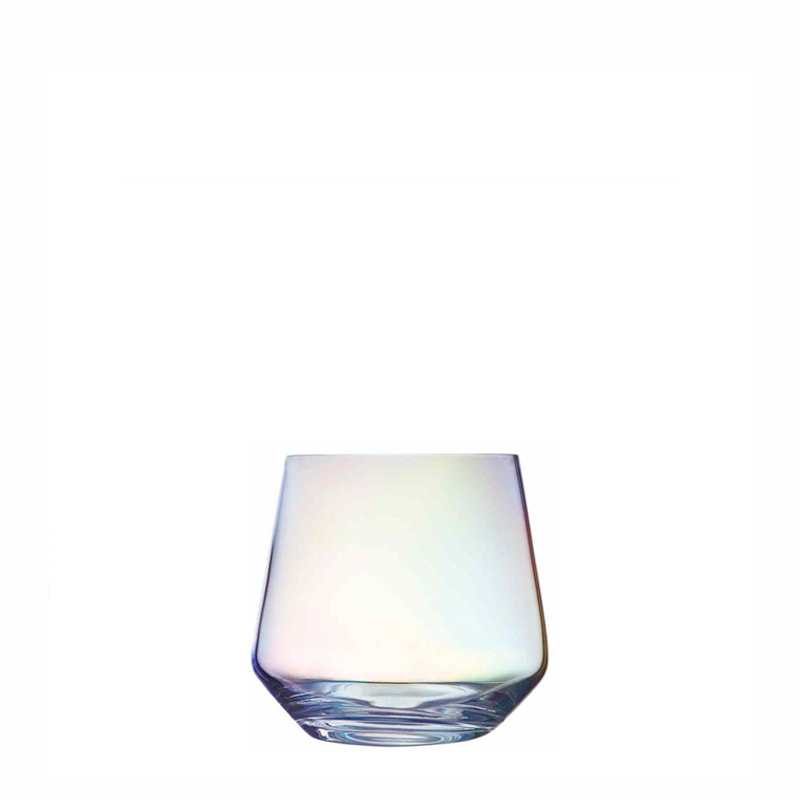
One thing to settle before you print a shelf talker. This cup holds 260 ml to the rim, which is a single serving of most cold drinks but not a full can of soda. If your market expects a 330 ml can poured straight in, this is not the cup for that job. Tell us the volume you need and we will quote from the range. For plain crystal cups in other shapes, the tumbler range covers the shorter, wider formats.
If a buyer wants a heat-proof version of this shape for a coffee chain and a crystal version for a bar, both come off the same purchase order. The plant holds ISO 9001, ISO 14001 and ISO 45001, and the certificates are current.
Rims in gold or silver, frosting, screen print, decal and spray colour are all done on site rather than farmed out. That keeps a two-colour job on one lead time instead of two, and it keeps the second colour inside our own tolerance. Our electroplated crystal cup is an example of the same line.
The dimensions on this page come off the factory drawing, not off a copied catalogue line. Send your own spec sheet and we will run it against the mould before the order, so a 61 mm rim does not arrive as a surprise. More on how we work on the about page.
Both. 260 ml converts to 8.79 oz, so the two figures are the same measure. Our catalogue prints 8.7 oz and older copies of this page printed 9 oz; both are rounded. Quote it as 260 ml / 8.79 oz and every document lines up.
They come off the factory drawing: 123 mm high, 61 mm rim, 46 mm base, 235 g. A 260 ml cup cannot be 157 mm tall and 85 mm across at the same time, because that column would hold over 800 ml. If a supplier quotes you those numbers for a 260 ml item, the figure is wrong somewhere.
A normal hot drink into a room-temperature cup is fine. Boiling water into a cup that has been in the fridge is not, and that applies to any crystal glass. Let it come to room temperature, and do not put the cup on a flame, a hotplate or in a microwave.
No. Machine detergent and the dry cycle dull crystal over time, and water sits in the thick foot where a cloth does not reach. Hand wash with a bottle brush and dry straight away.
No lead is added to the batch. Barium and potassium oxides do the job lead used to do, which is why the glass still has the ring and the brightness of crystal. The cup is intended for normal food-contact use, and the migration test report for your batch is available on request.
5,000 pcs for this model on its own. A mixed order across two or three sizes can clear a lower total per item, so tell us the split and the destination port and we will quote it as one line rather than three.
On the base, on the wall, or on the gift box. Screen print and decal both work on a clear body; a gold or silver rim is the other common upgrade. Artwork proof comes back within three working days, and the print position is confirmed on a sample before the run.
6 pcs to an inner box with dividers, 8 boxes to a carton, 48 pcs in total. Stock samples go out in 7 to 10 days by express. Production runs 20 days from artwork approval and deposit, or 30 to 45 days where a new mould is needed.
The body is lead-free crystal intended for normal food-contact use. Migration test reports are available on request for the batch you order, and we send them before the deposit rather than after.






Xml Privacy Policy Blog Sitemap
Copyright © 2026 XINGHUO Glass All Rights Reserved.  Network Supported
 EN
 AR