The Difference Between Crystal Cups and Ordinary Glass Cups
Jul 01, 2025
S
Smith
Marketing Department, Jiangsu Xinghuo Technology Co., Ltd. · Jul 01, 2025
Crystal is not a different material from glass. It is a different formulation of glass, made to bend light more, ring longer and feel heavier in the hand. Most of the confusion in the market comes from sellers treating crystal as a magical category rather than a specification. This guide sets out what actually differs between a crystal cup and an ordinary soda-lime glass cup, so a buyer can judge a sample instead of a label.
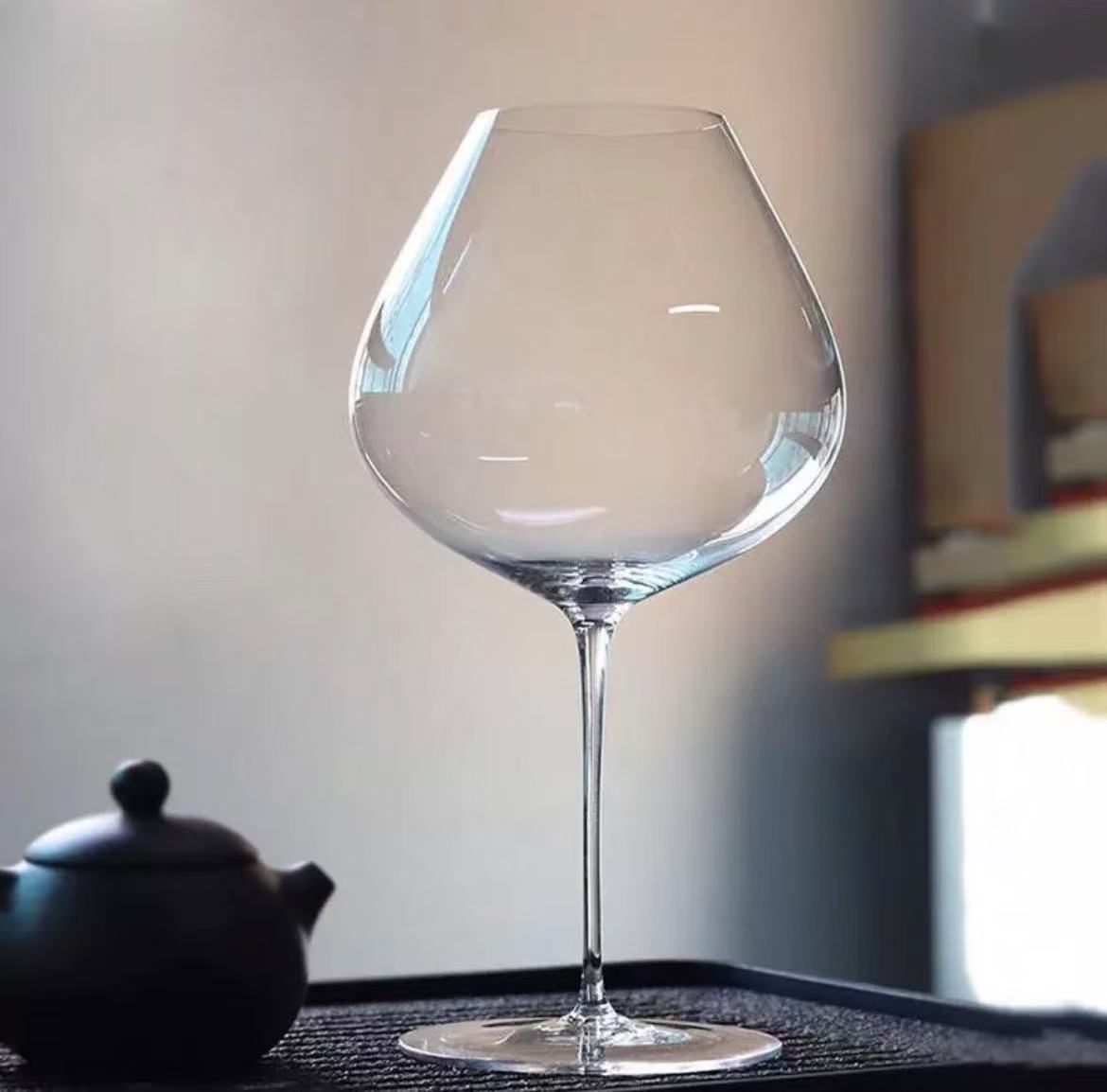
A lead-free crystal glass beside a soda-lime glass of the same shape. The difference shows in how each bowl carries light, not in the outline.
What crystal actually is
Ordinary drinkware is almost always soda-lime glass: silica sand melted with soda ash and limestone. It is cheap, durable enough for daily use and easy to mould into most shapes, which is why it fills restaurant shelves and supermarket aisles.
Crystal starts from the same silica but replaces part of the formulation with metal oxides. Traditional crystal uses lead oxide, which is why the term lead crystal exists. Most drinkware made today is lead-free crystal, using potassium, barium or zinc oxides instead. The objective is the same: raise the refractive index and the density of the glass.
Higher refractive index. Light bends more as it passes through the wall, so facets sparkle and the glass reads as brilliant rather than merely transparent. Lead-free crystal reaches roughly 1.52; soda-lime sits a little lower.
Higher density. The same-sized bowl weighs more, which customers interpret as quality, and allows thinner walls without the piece feeling flimsy.
A longer ring. Tap the rim and a crystal cup sustains a clear tone; soda-lime gives a short, duller click. This is a quick warehouse check, not a laboratory one, but it is consistent.
Whether a piece may be labelled crystal at all is governed by the metal-oxide content, and the thresholds differ between markets. A buyer selling internationally should ask the factory for the actual formulation rather than accepting the word crystal on its own.
Crystal and ordinary glass side by side
The differences that matter to a buyer are the ones that change cost, breakage or what can be promised on the packaging.
Point of difference
Lead-free crystal
Soda-lime glass
Optics
Brighter, more light play through facets and cut patterns
Clean and transparent, but flatter under the same light
Sound
Long, sustained ring when tapped
Short, duller click
Weight and wall
Denser, so thin rims and stems still feel substantial
Lighter; strength comes from a thicker wall
Durability
Brilliant but more sensitive; thin stems and rims chip first
Tougher in daily bar and kitchen use
Washing
Often hand-wash only, though many lead-free ranges carry a dishwasher rating
Built for repeated machine washing
Cost
Higher material and finishing cost; positioned as premium and gift
Lower unit cost; the default for high-volume orders
One myth is worth removing: crystal is not harder than ordinary glass. Their Mohs hardness is in the same region, around the mid-fives. The sparkle of crystal comes from optics and density, not from a harder surface, so it scratches much like any other glass.
Lead crystal and lead-free crystal
Traditional lead crystal earns its brilliance from lead oxide. It also carries a documented migration concern: when wine, spirits or other acidic drinks sit in it for long periods, small amounts of lead can move into the liquid. The risk is about prolonged storage, not a single dinner, but it is why the industry has moved.
Lead-free crystal was developed to keep the optics and the weight without the lead. It is now the standard specification for drinkware sold to hotels, restaurants and retailers, and it is what a responsible factory will quote unless a buyer explicitly asks for the traditional material. Where a destination market sets limits on lead and cadmium release from food-contact glass, a third-party migration test report on the specific production lot is the document to ask for, not a logo on a brochure.
Both glasses in service on a laid table. What a guest registers is clarity, a thin rim and how the wine reads against the cloth.
Where each material earns its place
Lead-free crystal suits wine and spirit service, tasting rooms, fine-dining restaurants, wedding toasts, corporate gifts and retail gift boxes. It is the material for products that are chosen for appearance: crystal wine glasses, crystal stem champagne flutes and engraved crystal whiskey glasses.
Soda-lime glass suits high-volume bar service, banquets, outdoor venues, poolsides and everyday retail, where the glass is washed hard and replaced often.
Borosilicate glass is a third option buyers sometimes meet: chosen for heat resistance rather than sparkle, it is the material for tea and coffee service and for heat-treated drinkware.
A mixed range is common. Many hotels stock soda-lime for the bar and banquet floor and lead-free crystal for the restaurant and rooms, and many retailers run a daily-use line beside a gift-boxed crystal line.
Specifying crystal in an order
Four lines in a purchase specification remove most of the ambiguity around the word crystal.
The formulation. State lead-free crystal and the oxide system, or traditional lead crystal explicitly. Never leave it as just crystal.
The compliance route. Name the destination market and request the lead and cadmium migration test report for the production lot, following the factory's quality and compliance process.
Decoration and care. Etching and cut patterns show crystal at its best; gold rims and hand-painted detail change the washing instructions, which should be printed on the packaging rather than discovered by the customer. More on processing and decoration options is available separately.
Packaging for thin glass. Long stems and thin rims need individual dividers. Breakage in a crystal shipment is usually a packaging decision, not a production accident.
The full crystal glassware range shows the shapes available in the lead-free formulation, and a quote can be built around an existing mould or a custom one.
Frequently asked questions
Is crystal a different material from glass?
No. Crystal is glass with metal oxides added to the silica formulation, which raises its refractive index and density. Lead-free crystal uses potassium, barium or zinc oxides; traditional crystal uses lead oxide.
Is lead crystal safe to drink from?
Occasional use is normal, but lead can migrate from traditional lead crystal when acidic drinks are stored in it for long periods, which is why decanters should not be used for long-term storage. Lead-free crystal removes this issue and is the current standard for new drinkware ranges.
Can crystal glasses go in the dishwasher?
Many modern lead-free crystal ranges carry a dishwasher rating, but thin stems and decorative finishes do not. Etched or plain glasses usually survive machine washing; gold rims, hand painting and vintage cut crystal should be hand-washed. Check the rating for the specific item.
How can a buyer verify crystal without taking the supplier's word?
Use three checks together: compare the ring, compare the weight of identical shapes, and ask for the formulation and the migration test report for the production lot. Sound and weight screen obvious mislabelling; documentation confirms the specification.
Building a crystal range?
Tell us the shapes, the destination market and whether the range is for retail gifting or hospitality use. We will confirm the lead-free formulation, decoration options and packaging, with test reports arranged where required. Email export@xinghuoglass.com or use the quote form.
Request a Factory Quote
Related reading
How to Clean Crystal Glasses Without Damaging Them
Does Wine Taste Better in a Crystal Glass?
How to Tell if a Crystal Glass Is Real Crystal



 Network Supported
 EN
 AR