Commercial Wine Glasses for Restaurants and Hotels
Jan 15, 2026
S
Smith
Marketing Department, Jiangsu Xinghuo Technology Co., Ltd. · Jan 15, 2026
In a busy restaurant or hotel, a wine glass is not just tableware. It is a piece of equipment that has to survive hundreds of wash cycles, look the same on every table and still present the wine well. This is the part many buyers miss when they choose by appearance alone: a glass that looks beautiful in a sample box can become a line of replacement cost once it is in service. This guide looks at commercial wine glasses the way a venue actually uses them — durability and turnover first, then presentation, then price — and sets out what to specify before you place an OEM or wholesale order.
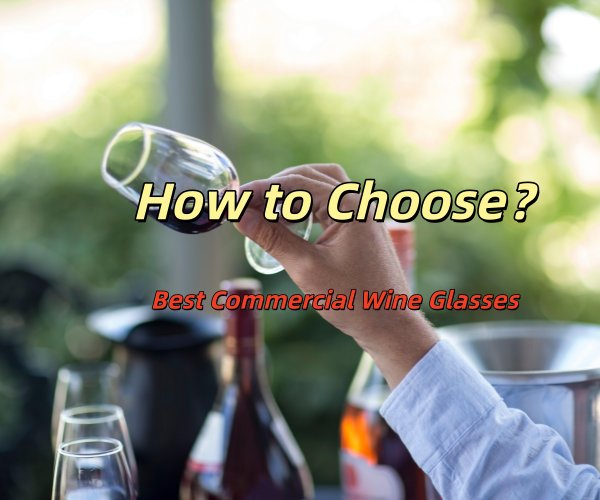
Commercial wine glasses set for restaurant service
Commercial service is harder on glass than home use
A household wine glass may be used once or twice a week. In a restaurant the same glass can be used, cleared and machine-washed several times a day, handled by many different staff and stored on a rack with dozens of its neighbours. That changes what "good quality" means. A commercial glass has to handle:
Repeated machine washing without clouding, losing its shine or weakening at the rim.
Fast, repeated handling by busy staff, including contact with other glasses and trays.
Thermal change from a hot dishwasher straight to cool service or an ice bucket.
Consistency across the whole line, so every table and every reorder looks identical.
A glass chosen for these conditions lowers breakage and replacement cost; a glass chosen only for the showroom does the opposite.
Choosing the material for commercial wine service
We make drinkware in three material families, and the honest answer is that no single one is "best" for every venue. Each has a job it does well. Wine glasses for table service are most commonly lead-free crystal or good soda-lime glass; borosilicate earns its place for different reasons.
Lead-free crystal is the standard for restaurants and hotels that want clarity, a thin rim and a premium pour without lead. It is the right default for red and white wine by the glass, and it stands up well to commercial washing when it is made to a hospitality weight.
Soda-lime glass is the cost-effective choice for high-volume, everyday service and venues that replace stock often. Mature manufacturing keeps the price accessible; choose a slightly heavier hospitality wall rather than the thinnest decorative option.
Borosilicate glass leads on thermal shock resistance, hardness and low weight, which makes it excellent for hot drinks, double-wall mugs and venues that move between temperatures. It is a strong option for casual or outdoor service, but it is not the default for a classic fine-dining wine pour, where lead-free crystal is preferred for its optical qualities. Match the material to the venue rather than specifying one material everywhere.
For a fuller comparison of how the three materials behave, including heat resistance and clarity, see our soda-lime vs crystal vs borosilicate guide.
Matching the bowl shape to the wine list
Sommeliers often favour one glass per grape, but a commercial venue usually standardises to a small number of shapes to control stock, training and replacement. A practical line uses a universal red, a universal white and a sparkling flute, adding a dedicated bowl only where the wine list justifies it.
Wine type
Bowl features
Commercial choice
Red (Cabernet, Merlot)
Large bowl, gently tapered rim
Universal red, around 450 ml+
Pinot Noir / light reds
Wide bowl, open rim
Share the universal red or a dedicated bowl
White
Smaller bowl, tapered to keep cool
Universal white, around 300–350 ml
Sparkling / Champagne
Tall, narrow flute to hold bubbles
Dedicated flute or tulip
For tasting flights and staff training, the standardised ISO tasting glass is a deliberately neutral, cost-effective option that lets wines be compared on the same terms. The deeper reasons behind bowl and rim shape are covered in our notes on how glass shape changes taste.
The details that decide service life
Beyond material and shape, a handful of engineering details separate a hospitality-grade glass from a decorative one.
Rim and lip quality — a clean, even, properly fire-polished rim resists chipping and feels good to drink from. Ask how the rim is finished and inspect the lip for a rolled or uneven edge.
Stem and base strength — the junction where the stem meets the bowl and foot is where most breakage happens. A well-annealed, properly joined stem and a stable, weighted foot reduce tipping and snapping.
Stemmed or stemless — stemmed glasses stay elegant and keep hand warmth off the wine; stemless glasses are more robust and suit casual, outdoor or poolside service. We cover the trade-off in more detail here.
Storage honesty — stemmed wine glasses are not truly stackable; forcing bowls together stresses the stems. They save space on hanging racks and compatible crates. If true nesting is a requirement, that points to stemless tumblers and all-purpose goblets rather than long-stem wine glasses.
Dishwasher compatibility — confirm the glass is rated for commercial washing cycles and that any engraving or printed logo survives them without fading.
Standardising the line and protecting the brand
Two things matter to a multi-site hotel group or restaurant chain beyond the glass itself: consistency over time, and branding that does not fail in the wash.
Keep the mould — if you order a custom shape, agree in writing that the same mould and specification are retained for repeat orders, so replacement stock matches the original run.
Control tolerances — set acceptable ranges for capacity, height and wall thickness, and agree an inspection standard (for example an AQL plan) rather than relying on samples alone.
Choose the decoration by durability — laser engraving is the most permanent for a subtle monogram; fired ceramic decals and durable screen printing suit a colour logo. Avoid surface treatments that peel after repeated washing.
Commercial wine glass buying checklist
Decision
What to specify
Material
Lead-free crystal for premium pours; hospitality-weight soda-lime for volume; borosilicate for heat and casual use
Range
Universal red, universal white and a flute; add a dedicated bowl only if the list needs it
Durability
Fire-polished rim, reinforced stem join, weighted foot, commercial-wash rated
Branding
Engraving for permanence; fired decal or durable print for colour; wash-tested before approval
Compliance & packing
Lead- and cadmium-migration test reports on request; export-safe packing for breakage
We manufacture to the buyer's own brand and specification rather than selling our own named ranges, so material, weight, capacity and decoration are defined with you, not chosen from a fixed catalogue. We work to lead-free food-contact glass and can arrange third-party lead and cadmium migration testing against the standard your market asks for; we do not claim certifications we cannot show. Our quality and compliance overview lists the documentation we actually hold, and our packing options cover export-safe protection for stemware. Browse the full wine glass range for available shapes.
Frequently asked questions
What is the most durable material for restaurant wine glasses?
For genuine wine service, a hospitality-weight lead-free crystal or a heavier soda-lime glass is usually the best balance of durability, appearance and price. Borosilicate is the most thermally resistant and is ideal where heat and rough handling dominate, but it is not the usual first choice for a classic fine-dining wine pour.
Can commercial wine glasses be stacked?
Long-stem wine glasses are not designed to be stacked; nesting the bowls stresses the stems and increases breakage. They are stored on hanging racks and in matching crates. If space-saving nesting is essential, choose stemless tumblers or all-purpose goblets instead.
How many different wine glass shapes does a restaurant need?
Most commercial venues run efficiently on three: a universal red, a universal white and a sparkling flute. Add a dedicated Pinot or dessert-wine bowl only if the menu and price point justify the extra stock and training.
Can you provide food-contact test reports and match repeat orders?
Yes. We work to lead-free food-contact glass and can arrange third-party lead and cadmium migration testing to the standard your market requires, rather than displaying marks we cannot support. For custom moulds, we agree to retain the same mould and tolerances so repeat orders match the original line.
Related reading
Why the shape of a wine glass changes what you taste
How wine temperature affects flavour
Sourcing glassware from China: five order details to get right
Specify a commercial wine glass line built for service
Tell us your venue type, wine list, wash process and target capacity. We will recommend material, weight, shapes and durable branding, with lead times, MOQ and third-party test reports on request. Email export@xinghuoglass.com.
Request a Factory Quote



 Network Supported

 EN
 AR