ENEN ARAR
xinghuo-glass-blog-insights-industry-trends-banner
Home

Red wine glass

Red wine glass

  • How to Clean a Crystal Glass Goblet
    How to Clean a Crystal Glass Goblet Dec 20, 2023
    Cloudy glasses, water spots and a dull rim cost a hospitality or retail account more than the price of the glass. A crystal goblet is an easy item to look after, but it rewards a consistent routine: lukewarm water, a mild detergent, a soft cloth and proper drying. This guide covers hand washing, when a dishwasher is acceptable, how to remove red-wine and lipstick marks safely, and how to store goblets so they stay clear for years. For importers and hotel buyers we also flag the one specification that drives most glassware complaints in service: the factory-stated wash durability. It should be agreed before the order, not discovered after the first banquet. Lead-free crystal red wine goblets paired with a swan decanter. Thin-rim stemware keeps its clarity best with gentle, consistent washing Before you wash: gather the right tools A little preparation prevents most chips and scratches. Keep these within reach of the washing area: Lukewarm water. Warm rather than hot, to avoid thermal shock. Never move a cold glass straight into very hot water or hold a hot glass under a cold tap. Mild, non-abrasive detergent. Avoid scouring powders and creams with particles; they micro-scratch the surface, which is what makes old glasses look cloudy. A soft sponge and a lint-free cloth. A long, soft stem brush reaches inside narrow flutes. Skip paper towels and coarse cloths that leave lint or fine scratches. A rubber mat or washing basket. It stops goblets knocking against each other and against the tap. Filtered or distilled water for the final rinse (optional). In hard-water areas it cuts the mineral deposits that dry as white spots. Hand washing a crystal goblet: the routine Hand washing is the safest method for thin-rim, cut or decorated crystal, and it is straightforward once it becomes a habit. Soak stubborn wine stains first. For dried red wine, fill the bowl with lukewarm water and let it stand for a few minutes to soften the deposit before wiping. Do not attack it with a scourer. Wash one glass at a time. Add a little mild detergent to lukewarm water and wipe the bowl with a soft sponge, turning the glass rather than applying pressure. Hold the bowl, not the stem, while washing; the stem is the most vulnerable joint. Clean the stem and foot with a soft brush. A slim brush clears residue from inside flutes and around the base without twisting the stem. Rinse thoroughly. Remove every trace of detergent, ideally with a final filtered-water rinse, because soapy residue dulls the glass and affects the next pour. Dry straight away with a lint-free cloth. Polishing while the glass is still slightly warm prevents water spots. Hold the bowl gently through the cloth and rotate; do not grip the stem and twist the bowl in opposite hands. Can crystal goblets go in the dishwasher? Not a universal yes or no. Older advice says never, but many modern lead-free crystal glasses are rated for machine washing on a gentle or crystal cycle. What damages glass in a dishwasher is the combination of harsh detergent, high heat, crowded racks and glasses rattling together. The honest rule is to follow the rating of the specific line rather than treating "crystal" as one category. If the line is rated dishwasher safe, space the goblets so they do not touch, use a mild detergent without abrasive or strongly caustic additives, choose a low-temperature cycle, and open the door at the end to let steam escape rather than baking the glasses dry. Reserve hand washing for very thin rims, cut or hand-painted pieces, decanters and anything the factory marks as hand wash only. If you source stemware for a hotel running industrial washers, agree an expected wash-cycle count up front; thin crystal is simply not built for the same punishment as toughened soda-lime ware. Narrow champagne flutes are easiest to clean with a long soft stem brush and a thorough final rinse Red-wine stains, cloudiness and lipstick marks Red-wine residue. Rinse soon after use when you can. For a dried stain, soak in lukewarm water with a little mild detergent, then wipe. Avoid the temptation to use bleach; repeated use can leave a dull film and is unnecessary on glass. Cloudy or filmed glass. A light haze is usually hard-water film or detergent build-up rather than damage. A short soak in a solution of warm water and white vinegar, followed by a thorough rinse, often clears it. Etching, by contrast, looks like permanent fine scratches and cannot be reversed, which is why abrasive cleaners should never be used. Lipstick marks on the rim. Wipe with a soft cloth and mild detergent before the glass goes into the wash; lipstick is oily and smears in hot water. Do not scrape the rim with a blade or abrasive pad, which chips and scratches the lip. Drying, storage and things to avoid Store upright on a shelf or hang by the base. Do not rest goblets upside down on the rim for long periods, and never force-stem wine glasses into a stack; the stems and bowls are not made to carry weight. Straight-sided tumblers can nest lightly; stemware cannot. Keep them out of direct sunlight and away from strong kitchen fumes when stored for long periods, and leave space between glasses so they do not clink. Avoid extreme temperature swings. No ice water straight into a warm glass, no hot rinse on a chilled glass. Sudden change, not heat alone, is what cracks glass. Inspect after washing. Pull any glass with a chip, star crack or feathered rim out of service immediately; a damaged rim is both a safety risk and a sign the glass is reaching the end of its life. What this means for a bulk buyer Point to agree Why it matters in service Wash rating Confirm hand-wash only or a stated number of gentle or industrial wash cycles before clouding appears Rim and decoration Fire-on decals and gold rims usually shorten wash life; know this before promising commercial dishwashing Material in writing Lead-free crystal stated on the order, with third-party lead and cadmium migration reports on request Replacement rate Thin crystal chips more readily; budget a realistic top-up volume for high-turnover venues Packaging Dividers or foam protect rims in transit and double as safe storage on arrival For more on choosing stemware by venue, see our guide to commercial wine glasses for restaurants and hotels, and read our notes on what crystal actually changes in the glass. Browse the crystal glass range and crystal wine goblets for current lines. Frequently asked questions How do I remove the cloudy film from crystal glasses? First identify the cause. A removable haze is usually hard-water or detergent film; soak the glass briefly in warm water with white vinegar, then rinse and polish with a lint-free cloth. If the cloudiness looks like fine permanent scratches, it is etching from abrasive cleaning and cannot be reversed, which is why non-abrasive detergent matters from the start. Will the dishwasher ruin crystal wine glasses? It depends on the line. Modern lead-free crystal rated dishwasher safe is fine on a gentle, low-temperature cycle with mild detergent and spaced-out racks. Very thin rims, cut, gold-rimmed or hand-decorated pieces and decanters should be hand washed. Always follow the manufacturer's wash rating rather than assuming all crystal behaves the same. Can I use baking soda or bleach to clean a crystal goblet? Neither is necessary. A mild detergent and a soft sponge handle normal cleaning, and a short vinegar soak handles mineral film. Abrasive powders scratch the surface, while repeated bleach use can leave a dull film. For a dried red-wine stain, a lukewarm soak before wiping is safer and just as effective. How should crystal goblets be stored? Store them upright on a shelf or hang them by the base in a rack, with space between glasses. Do not rest them for long on the rim or stack stemmed goblets, which strains the stem and chips the bowl. Keep them out of prolonged direct sunlight and inspect rims for chips before each service. Related reading What are stemless wine glasses used for? Benefits and buying tips Sourcing glassware from China: five order details that matter Borosilicate vs regular glass: a heat-resistance buyer's guide Order lead-free crystal stemware built for service Tell us your venue type, wash cycle and decoration needs, and our export team will recommend a lead-free crystal line with a clear wash rating and packaging to protect the rims. Third-party lead and cadmium migration reports can be arranged for your market. Email export@xinghuoglass.com or request a quote. Request a Factory Quote S Smith Marketing Department, Jiangsu Xinghuo Technology Co., Ltd. · Dec 20, 2023
  • Does wine taste better in crystal glasses?
    Does wine taste better in crystal glasses? Feb 24, 2025
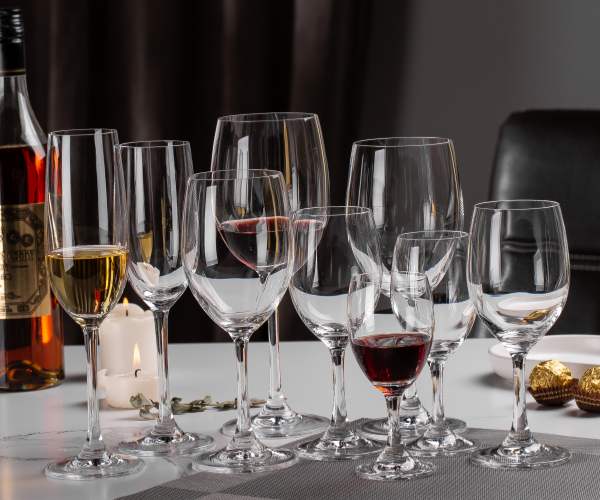
    Crystal glasses have a reputation for making wine taste better. The honest answer is more specific: crystal does not change the chemistry of the wine, but a clear, thin, well-shaped lead-free crystal glass can change how you see, smell and therefore perceive it. For importers, restaurant groups and private-label brands, that distinction matters when you choose which stemware line to stock and how to describe it on packaging. This guide separates what crystal actually does from the marketing claims, explains why modern production uses lead-free crystal, and ends with the specifications worth putting on a purchase order. A range of lead-free crystal stemware and tumblers, from red and white wine glasses to flutes, coupes and highballs Does wine actually taste better in crystal? Not in a chemical sense. Pour the same wine into two clean glasses made of inert glass and the liquid itself is identical. What changes is the sensory experience, and most of what people call "taste" is driven by smell. A glass that delivers aroma clearly, shows the wine's true colour and lets it flow smoothly across the palate can make the same bottle taste more precise and expressive. So the accurate claim is not "crystal makes better wine." It is that a fine, thin, lead-free crystal glass can remove some of the barriers between the wine and the person drinking it. That is a real, defensible benefit for hotels, tasting rooms and premium retail ranges, but it should be presented as an experience upgrade rather than a flavour transformation. What crystal glass actually is Traditional lead crystal added lead oxide to soda-lime glass, which raised the refractive index, made the material easier to cut and gave it extra sparkle and weight. That chemistry is the source of the classic "crystal" look, but it is also why modern food-contact stemware has moved away from lead. Today's lead-free crystal replaces lead oxide with elements such as potassium, barium or zinc to keep a high-clarity, bright finish while meeting food-contact expectations. At XINGHUO, our crystal stemware is produced on a lead-free basis. We hold ISO 9001, ISO 14001 and ISO 45001 certifications for our quality, environmental and occupational-safety management, and we can arrange third-party lead and cadmium migration test reports for specific orders on request. We ask buyers to rely on the test report for their market rather than on a logo alone. A practical note on optics: ordinary clear glass and lead-free crystal sit close together in refractive index, roughly in the 1.52 region. The visible difference between an economy tumbler and a fine crystal glass usually comes from higher raw-material clarity, thinner walls, a fire-polished rim and precise moulding, not from a dramatic refractive gap. Lead-bearing crystal can reach a higher index and show more pronounced sparkle, which is exactly why it is reserved for decorative pieces rather than everyday drinking ware. Three ways a fine glass changes the experience 1. Sight: judging colour and clarity High-clarity, near-colourless glass lets buyers and tasters read the wine's true hue, from pale ruby to deep garnet, without the greenish tint of cheaper soda-lime ware. Thin, even walls also catch light cleanly, which is why crystal photographs so well on a set table or in a restaurant window. Visual presentation is a genuine part of perceived quality. 2. Smell: concentrating aroma Here the bowl shape does most of the work, and crystal simply allows that shape to be made very thin. A wider bowl gives aromas room to open; a narrower opening funnels them toward the nose. This is the single biggest driver of the "tastes better" effect, because aroma accounts for much of what we perceive as flavour. We cover bowl geometry in detail in our guide to how wine glass shape changes taste. 3. Touch and flow: the rim Crystal can be drawn into a thinner wall and finished with a thin, fire-polished, often laser-cut rim. Wine crosses the lip with less of a hard glass edge, so it spreads across the tongue more smoothly and acidity, sweetness and tannin register with less distraction. This is a tactile and flow difference, not a change to the wine, but it is the part users notice most directly. Lead-free crystal vs ordinary soda-lime glass Attribute Lead-free crystal Soda-lime glass Clarity & brightness Very high, near-colourless, crisp light reflection Good, sometimes a faint green tint in economy ware Wall & rim Thin wall, fine fire-polished or cut rim Thicker, rolled rim more common Weight & feel Refined, balanced, can feel light yet solid Heavier for the same thinness, or chunkier Durability Brittle at the rim; handle with care More forgiving in rough service Best fit Fine dining, hotels, tastings, gifting, retail High-volume venues, casual service, outdoors Note that thin crystal is more chip-prone at the rim than toughened soda-lime ware. For high-turnover banqueting, buyers sometimes run a dual range: crystal for the dining room and more robust glass for poolside and events. We cover matching stemware to venue type in our guide to commercial wine glasses for restaurants and hotels. What to specify on a crystal stemware order Specification What to confirm Material Lead-free crystal in writing; do not assume "crystal" means lead-free Migration report Third-party lead and cadmium migration results matched to your market Rim & wall Fire-polished or cut rim; defined wall thickness and rim diameter Capacity & bowl Bowl shape and fill volume matched to red, white or sparkling wine Wash rating Dishwasher durability and whether decoration survives industrial washing Logo placement Etch or fire-on-decal position kept below the lip and away from the hand Packaging Dividers or foam for thin rims; gift-box option for retail and gifting You can browse our crystal glass range, our crystal wine glasses and specific lines such as our 11 oz lead-free vintage crystal wine glasses to compare shapes and capacities. Frequently asked questions Is lead-free crystal better than lead crystal for drinking? For food-contact stemware, yes as a sourcing choice. Lead-free crystal keeps a bright, premium finish while avoiding the lead-migration concern that comes with leaded glass. Lead-bearing crystal is better treated as decorative. Always confirm the lead-free statement and migration test report rather than taking the word "crystal" at face value. Why do expensive wines taste different in a thin glass? Mostly because of aroma delivery and the thin rim. A shaped bowl concentrates the wine's aromas, which drive much of perceived flavour, while a fine rim lets the wine flow smoothly onto the palate. The glass does not alter the wine itself; it simply presents it more clearly. Are crystal wine glasses dishwasher safe? Many lead-free crystal lines are marketed as dishwasher safe, but thin rims and cut or decorated areas are the vulnerable parts. Confirm the wash rating with the factory, use a gentle detergent and avoid overcrowding. For venues running industrial dishwashers, specify the expected wash cycle count before committing to a full order. Should a retail or hospitality buyer pay more for crystal? It depends on the venue and margin. Crystal pays back in fine dining, hotels, wine tastings, gifting and premium retail where presentation and the tasting experience justify the price. For casual, outdoor or very high-volume service, durable soda-lime glass usually offers the better total cost. Many buyers run both rather than standardising on one. Related reading Borosilicate vs regular glass: a heat-resistance buyer's guide What are stemless wine glasses used for? Benefits and buying tips Sourcing glassware from China: five order details that matter Source lead-free crystal stemware from the factory Send us your target bowl shape, capacity, decoration and market, and our export team will quote the matching lead-free crystal line and arrange a third-party lead and cadmium migration report for your order. Email export@xinghuoglass.com or request a quote. Request a Factory Quote S Smith Marketing Department, Jiangsu Xinghuo Technology Co., Ltd. · Feb 24, 2025

Get New Arrivals and Market Notes

Subscribe

Xml Privacy Policy Blog Sitemap

Copyright © 2026 XINGHUO Glass All Rights Reserved. Network Supported

Leave A Message

Leave A Message
If you are interested in XINGHUO Glass products or need more details, please leave a message below. Our sales team will respond within 24 hours.
Submit

Home

Products

whatsApp

contact