|
||||||||||||||||||||
|
||||||||||||||||||||
|
XINGHUO Glass has moved the finishing of its glass rims from flame to laser. The company installed a laser cold cutting and bursting machine at its Nanjing plant, replacing the flame step used at the rim, and says the change has cut scrap at the rim stage by half and shortened the production cycle by around three days. |
||||||||||||||||||||
The Problem With Flame Cutting |
||||||||||||||||||||
|
The mouth of a glass is the last part of the product to be finished and the first part a customer feels. In the traditional process the rim is cut and smoothed with a flame, a method that has been used in glassmaking for a long time and that still works for a great many products. The company says the flame route has limits. The cut edge can come out rougher than a laser-cut edge, the heat puts stress into the glass around the rim, and that stress shows up later as a higher risk of chipping or breakage. The step also brings flame, heat, and noise into the area where operators are working. |
||||||||||||||||||||
|
||||||||||||||||||||
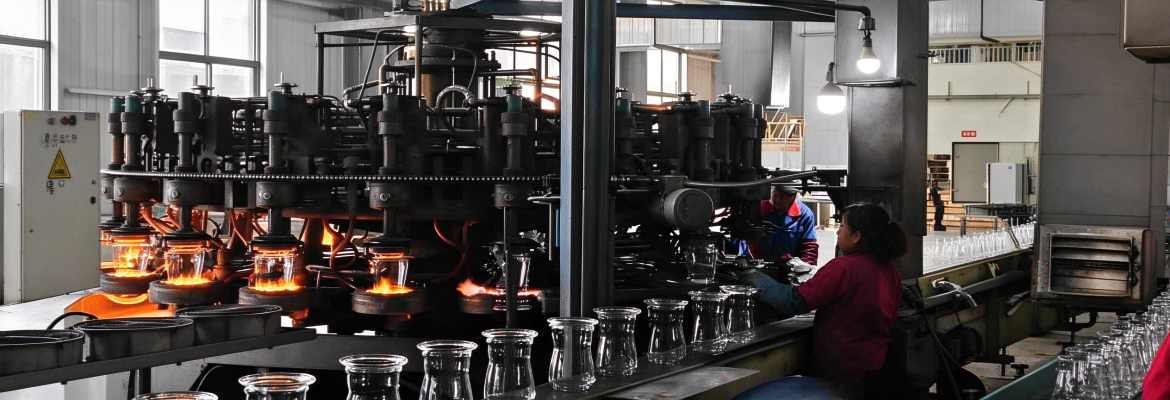
Flame burners at the glass mouth on the forming line.
|
||||||||||||||||||||
How the Laser Machine Works |
||||||||||||||||||||
|
The replacement is a laser cold cutting and bursting machine, brought in after a period of market research and technical evaluation. Instead of a flame, it cuts the rim with a laser beam, and the energy and the path of that beam are controlled precisely for each product. The process is described as cold cutting because the beam separates the glass rather than softening it with a flame. That removes the localised heating the flame method leaves around the rim, which is where most of the differences the company reports come from: a smoother cut face, less thermal stress in the glass, tighter dimensional accuracy at the mouth, and a higher share of cups passing final inspection. |
||||||||||||||||||||
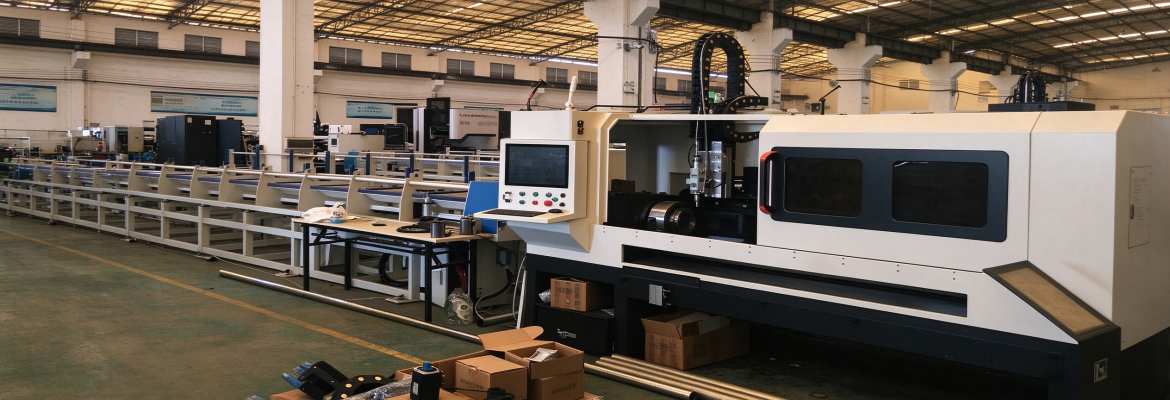
The cutting unit installed at the Nanjing plant.
|
||||||||||||||||||||
What Changed on the Line |
||||||||||||||||||||
|
On the production side the change shows up as time. The laser cuts faster and to a tighter tolerance than the flame step, so a batch of cups clears the rim stage in less time. The company's figures for the products that now run on the new machine are set out below.
Yield matters as much as speed. Cups that would have been rejected for a rough or uneven mouth now pass, which brings the scrap rate down and with it the cost per finished piece. For a buyer the effect is a shorter lead time: the rim stage no longer decides when a container is ready. |
||||||||||||||||||||
What Changed in the Cup |
||||||||||||||||||||
|
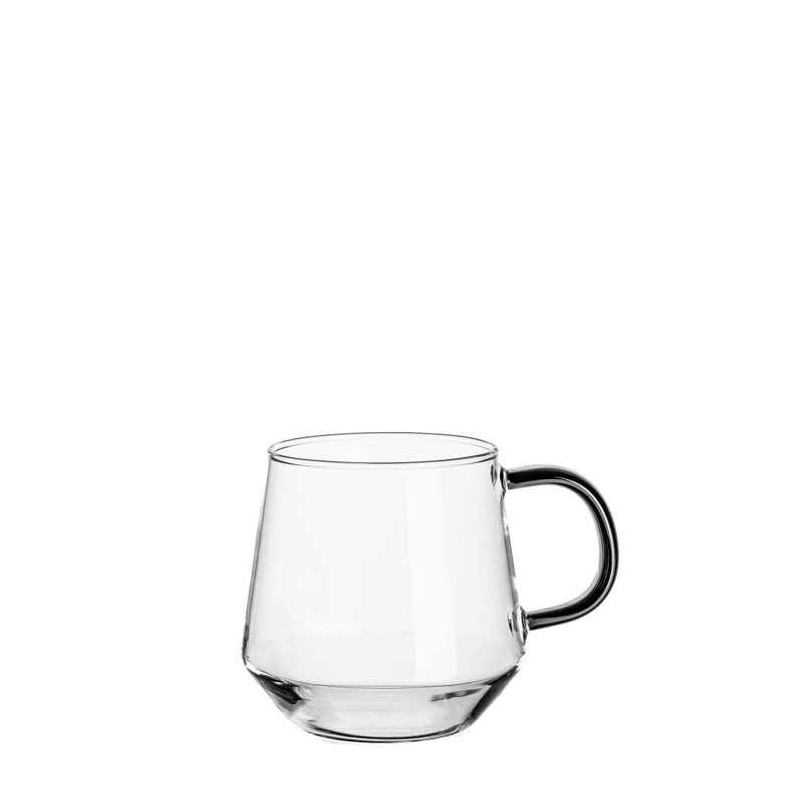
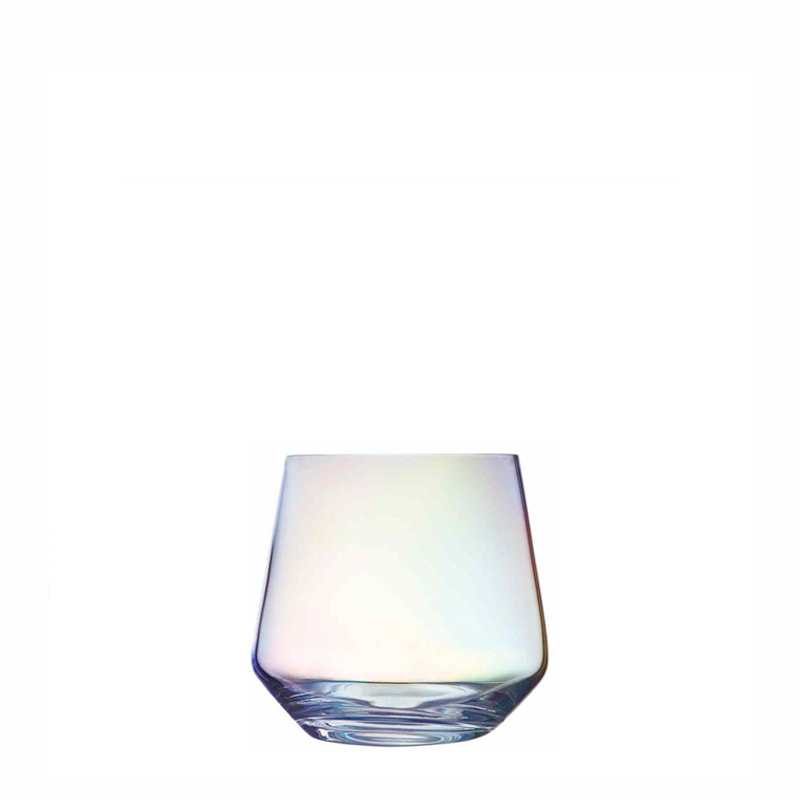
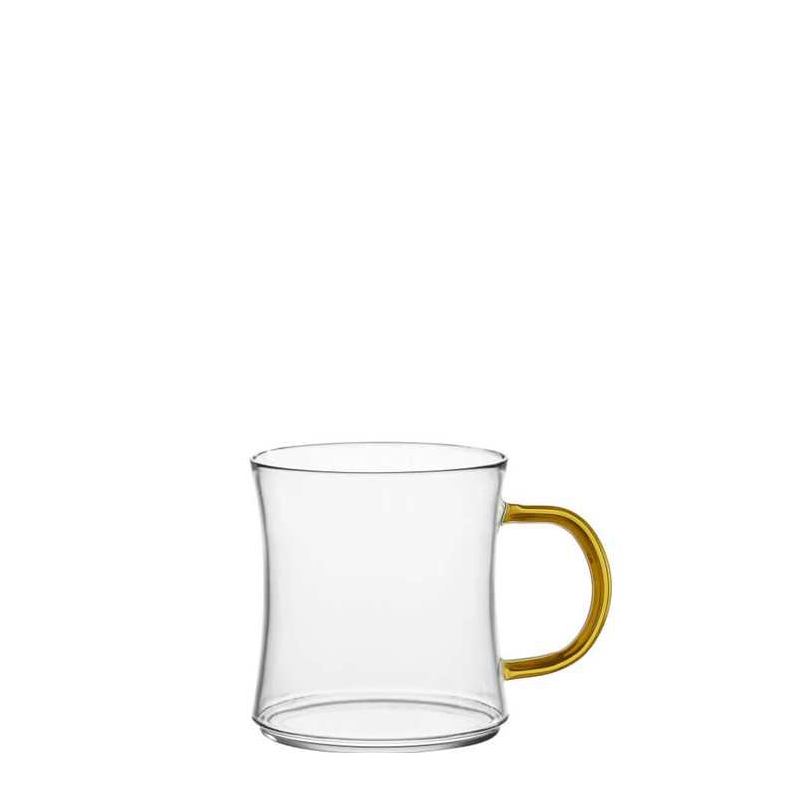
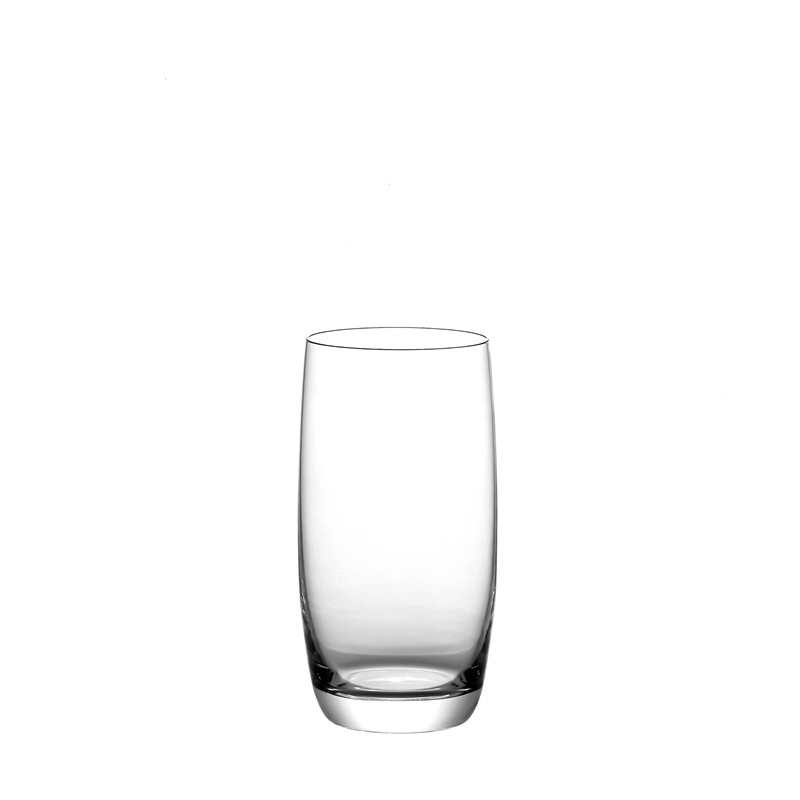
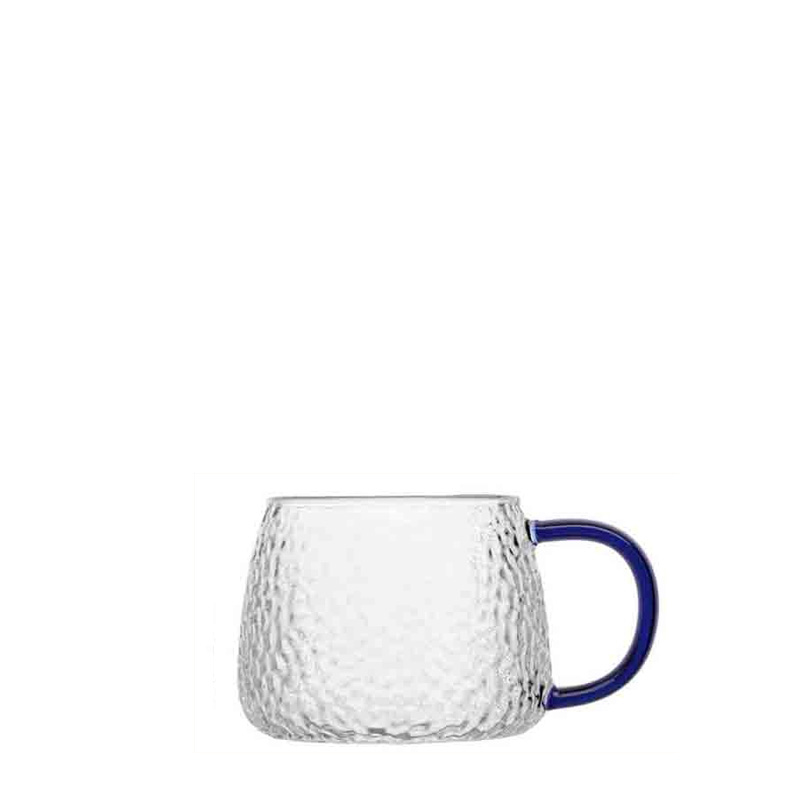
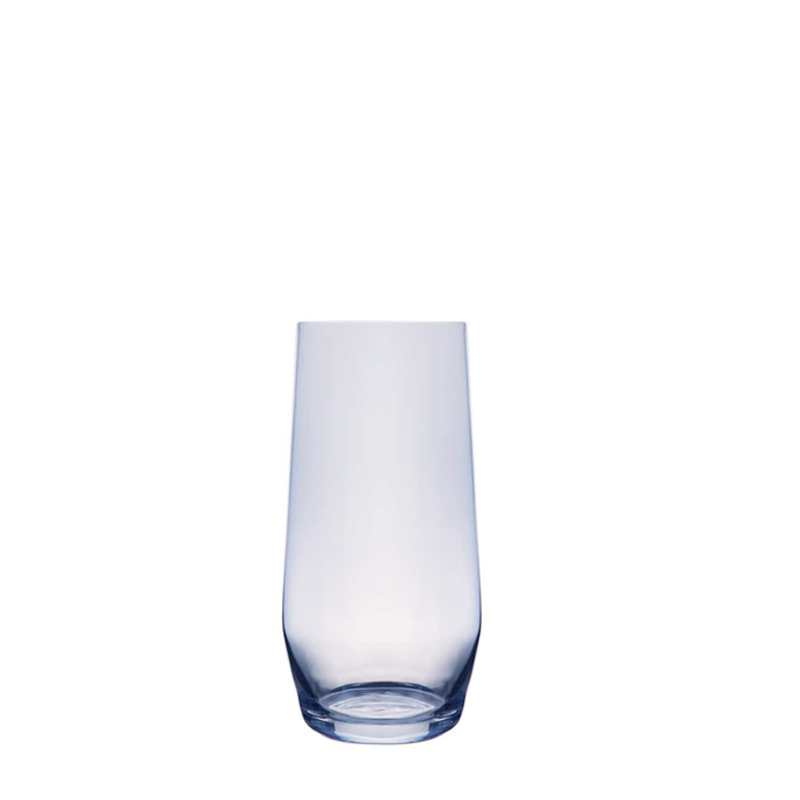
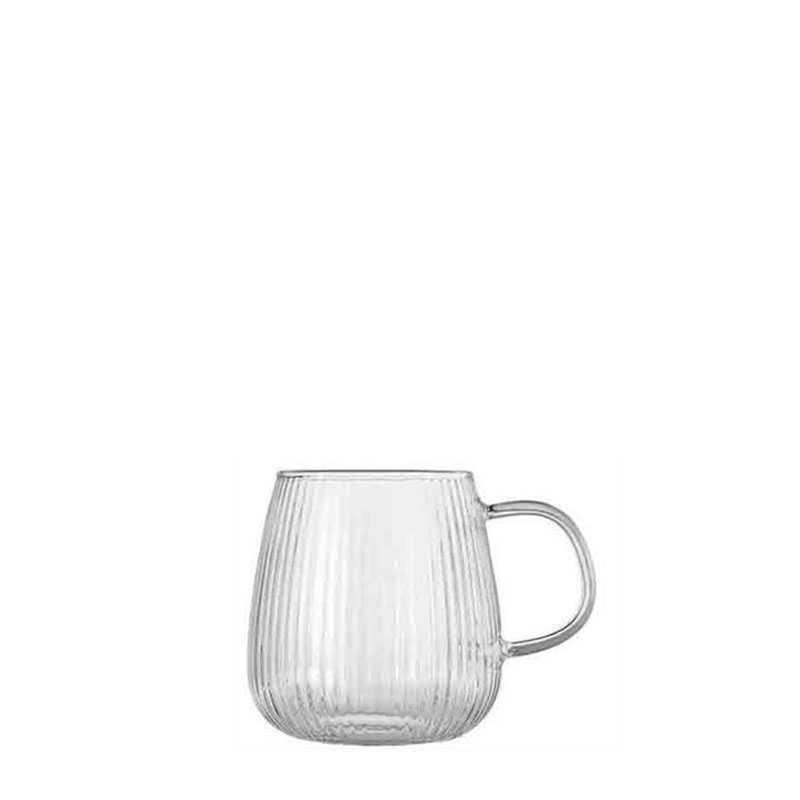
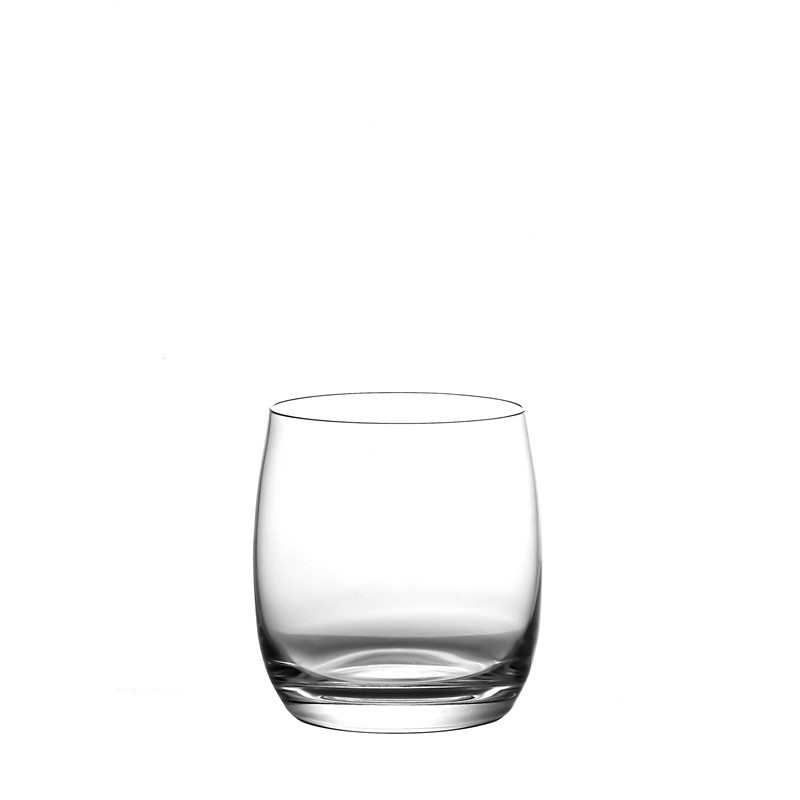
For the buyer the difference is at the rim. The cut face is smoother, so the mouth of the glass sits evenly against the lip and is less likely to chip in use. Because the laser step puts less thermal stress into the glass, the company says the rim area is more stable and the cup is less prone to breakage than under the flame process. There is a workplace effect as well. Laser cutting produces less noise and less dust than flame cutting, which makes the area around the machine quieter and cleaner for the operators working there. Buyers who need a specific rim profile, wall thickness, or finish can have it set up through the company's custom processing service. |
||||||||||||||||||||
|
||||||||||||||||||||
About XINGHUO Glass |
||||||||||||||||||||
|
Jiangsu Xinghuo Technology Co., Ltd. (XINGHUO Glass) has been making glassware since 1999 from its base in Nanjing, China. The company works mainly with lead-free crystal glass and borosilicate glass, and covers forming, decoration, and finishing in house. Its range covers glass drinkware, wine glasses and decanters, and glass tableware, supplied to importers, wholesalers, and retail chains in more than 30 countries. See About XINGHUO Glass for more. |
||||||||||||||||||||
|



Xml Privacy Policy Blog Sitemap
Copyright © 2026 Jiangsu Xinghuo Technology Co., Ltd. All Rights Reserved.  Network Supported

 EN
 AR