What is the best glass for champagne?
Mar 03, 2025
S
Smith
Marketing Department, Jiangsu Xinghuo Technology Co., Ltd. · Mar 03, 2025
There is no single "best" champagne glass; there is the right glass for the moment. A flute protects the bubbles for a toast, a tulip opens the aroma for tasting, and a coupe sets a vintage mood at a party. This guide explains how the three classic shapes behave, when sommeliers reach for a universal wine glass, and what to specify when you source champagne flutes for a hospitality or retail range.
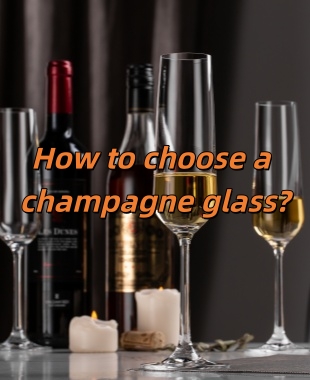
Lead-free crystal tulip champagne flutes from the XINGHUO range.
The Three Classic Champagne Glass Shapes
Three shapes cover most champagne service, and the differences in the bowl change how long the bubbles last and how clearly the aroma shows.
Flute — the tall, narrow classic. The long bowl gives bubbles a long path to rise, and the small opening keeps the mousse lively and slows aroma loss. It is the safe choice for toasts, banquets and any service where the visual of rising bubbles matters. See our clear crystal champagne flutes.
Tulip — a rounder bowl with a gently tapered rim. It still lets the bubbles rise cleanly, but gives the wine room to open and concentrates the aroma, so the wine tastes more layered. It is the favourite shape for actual champagne tasting. Browse the tulip champagne glass for hospitality and premium retail.
Coupe — the wide, shallow, 1920s-style saucer. It looks festive and stacks beautifully for towers at weddings and parties, but the large surface lets bubbles escape quickly and spreads the aroma thin. It is a style statement, not a tasting glass. Our retro crystal coupe glasses suit this retro, celebratory look.
How the Shapes Compare
Glass type
Bubble life
Aroma
Best for
Flute
Longest
Moderate
Toasts, banquets
Tulip
Good
Strongest
Tasting, most balanced
Coupe
Shortest
Light, dispersed
Parties, weddings
Universal wine glass
Good
Very open
Vintage champagne
Why Tasters Sometimes Use a Universal Wine Glass
For older, more complex vintage champagne, many sommeliers skip the flute altogether and pour into a universal white-wine glass. The larger bowl gives the wine more contact with air, which lets the brioche, nut and autolytic notes of a mature cuvée show. You give up some bubble theatre in exchange for aroma and depth. This is a tasting choice rather than a service one, which is why most venues still set flutes or tulips.
The principle behind all of this is simple: a narrower opening holds the mousse, while a wider bowl develops the aroma. Wine and champagne bodies and tasting media such as Comité Champagne, Decanter and Wine Spectator cover glass-shape tasting in more detail for staff training or product descriptions.
Sourcing Champagne Glasses: What to Put in the Spec
For hotels, restaurants, event companies and retailers, the buying decision is about more than shape. These are the details we ask buyers to confirm before sampling:
Material and rim — lead-free crystal gives the thinnest rim and brightest finish; a high-white soda-lime flute is the value option for high-volume venues.
Capacity and height — confirm ml and total height so the glass fits your racks, dishwashers and gift boxes.
Durability — stem thickness and an even, fire-polished rim reduce chipping in busy service; ask about toughened or reinforced rims.
Branding and packing — engraved logos, custom decals and retail gift boxes are all OEM options; flutes should ship in fitted dividers to protect the long stems.
Care is straightforward: hand wash with a mild detergent and soft cloth where possible, store upright or on a rack, and never fill to the brim — champagne needs headspace for the bubbles to rise. For the full range of stemware, see our crystal wine and champagne glasses, and our quality and compliance page covers lead and cadmium testing and on-request third-party reports.
Frequently Asked Questions
Which champagne glass is best for most people?
The tulip. It keeps a lively mousse like a flute while opening the aroma enough to taste the wine properly, so it works for both toasting and drinking. Stock tulips as the default and add flutes for formal events and coupes for parties.
Why do flutes keep bubbles longer than coupes?
The flute has a narrow opening and small surface area, so the carbonation escapes more slowly. The coupe's wide, shallow bowl exposes far more wine to the air and the bubbles dissipate within minutes.
Is the coupe glass outdated?
No, but it is an atmosphere choice rather than a tasting glass. It stays popular for weddings, retro bars and champagne towers, where the look matters more than bubble retention.
Can champagne flutes be made with our logo and gift boxes?
Yes. We supply flutes, tulips and coupes OEM/ODM in lead-free crystal or high-white soda-lime, with engraving, decals, custom shapes and fitted gift or bulk packaging. Send the capacity, quantity and artwork and our team will quote MOQ, sampling and lead time.
Related Reading
Which Glass Is Best for Drinking Whiskey?
Soda-Lime vs Crystal vs Borosilicate Glass
Tailored Packing for Fragile Glassware
Sourcing champagne flutes, tulips or coupes?
Tell us the shape, material, capacity and quantity, and whether you need engraving or gift boxes. Our OEM team will send options, unit pricing and sampling lead times within one working day.
Request a Factory Quote
Or email export@xinghuoglass.com with your brief.




 Network Supported

 EN
 AR