Glass Storage Jars for the Argentine Market: A Buyer's Guide
Mar 11, 2026
S
Smith
Marketing Department, Jiangsu Xinghuo Technology Co., Ltd. · Mar 11, 2026
Glass storage jars sell steadily in Argentina for kitchen and pantry use — dry goods, yerba mate, sugar, pasta, preserves and spices. For distributors and retail brands sourcing from China, the decisions that actually separate a reliable range from a return-priced one are the seal, the food-contact safety of glass and gasket, and how the goods survive a long sea journey. This is a practical sourcing brief: what to specify, how to verify it, and what a manufacturer can honestly document.
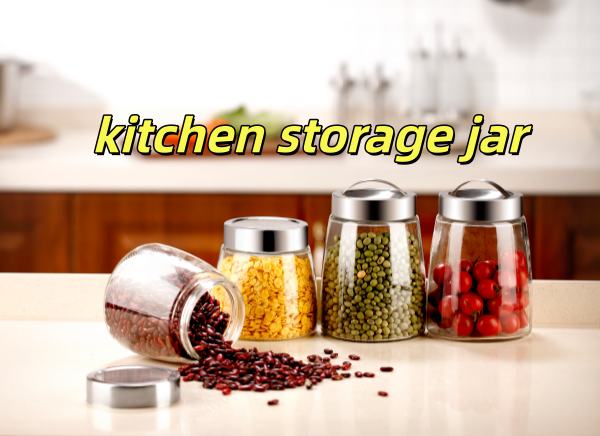
Threaded and clip-lid glass jars used for beans, pasta and dry goods in a home pantry
Start with the seal, not the shape
For dry and preserved foods, an airtight, moisture-resistant closure is the single feature customers judge by. A decorative jar that lets humidity in loses the repurchase, so buyers should specify the closure in detail rather than accepting "sealed" as a general claim:
A food-contact gasket. A silicone or rubber ring between lid and glass is what does the actual sealing. Confirm the gasket material and that it is suitable for food contact, rather than an unspecified foam.
A positive closure. Screw threads, a clamp (bail) or a locking lid hold the gasket under even pressure. Clamp and screw lids are both common for pantry jars; the key is a consistent fit mouth to mouth.
Replaceable parts. Gaskets that can be swapped extend the product's life and give a retailer fewer warranty issues years after sale.
Our clip-lid glass storage jars with a metal clamp and gasket are built around this seal-first approach for herbs, pickles and dry goods.
Food-contact safety: ask for evidence, not a logo
Food-contact glass is regulated by destination market, and requirements for Argentina and the wider Mercosur region should be confirmed with your importer or a qualified local advisor rather than assumed from a supplier brochure. The most useful thing a factory can give you is testable evidence for the specific item, not a wall of certification logos.
What we can actually provide is clear:
lead-free, food-contact-formulated glass, with lead and cadmium release testing arranged through an independent third-party laboratory for the exact item and order;
food-contact documentation for lid gaskets and any plastic or metal components, not just the glass;
our independently audited management systems — ISO 9001 (quality), ISO 14001 (environment) and ISO 45001 (occupational health), shown on our quality and compliance page.
We deliberately do not claim an ISO 22000 certificate or market-specific approvals we do not hold. A supplier who promises every certification on request is a reason to verify the documents; a third-party test report against the relevant food-contact standard is what genuinely supports customs and retail compliance.
Choosing the glass for the product
Most pantry jars are soda-lime glass, which is clear, low cost and fully adequate for ambient dry-goods storage. Two other options suit specific lines:
Borosilicate offers higher thermal-shock resistance for jars that will see hot filling, sterilising or wide temperature swings — useful for preserves and canning lines, at a higher cost.
Thicker, heavier soda-lime bases give a premium feel and better stacking strength without moving to borosilicate.
How the materials compare on heat, clarity, weight and price is covered in our glass material comparison, and our broader glass jar and canister range shows the standard capacities and lid types available. Smaller 270 ml jars with bamboo lids suit tea, coffee, sugar and nut gift sets.
Surviving the sea journey to Argentina
Freight from China to Argentina is long and includes inland legs, port handling and humid conditions. Breakage and lid corrosion are the two recurring failures, and both are controllable at the packing and specification stage:
Dividers and cushioning. Each jar separated, with adequate headspace, so glass-on-glass contact cannot start cracks in transit.
Lid finish. Specify rust-resistant metal clips and lids for humid sea freight; plated or stainless hardware prevents the orange spotting that shows up weeks after arrival.
Carton and pallet testing. Simulated drop and stacking checks before the first container confirm a pack-out rather than discovering it on a damaged delivery.
Labelling and barcodes. Spanish-language retail labels, capacity and origin marks can be applied to cartons or individual pieces in line with your channel; confirm artwork timing before production.
A sourcing checklist for Argentine buyers
Item
What to confirm
Closure
Silicone/rubber food-contact gasket plus screw or clamp lock; replaceable gasket.
Glass
Lead-free soda-lime for pantry use; borosilicate only where hot filling needs it.
Compliance
Third-party lead/cadmium report for the exact item; gasket and lid documentation.
Hardware
Rust-resistant clips and lids rated for humid sea freight.
Packing
Dividers, drop/stack test, pallet spec, Spanish labels and barcode placement.
Send this checklist with your enquiry and a competent factory will answer line by line; vague reassurance without reports is the signal to keep looking.
Frequently Asked Questions
What glass material should pantry storage jars use?
Lead-free soda-lime glass is the standard and best value for ambient dry goods. Choose borosilicate for lines that need hot filling, sterilising or higher thermal-shock resistance. We produce both, as well as thicker-walled soda-lime for a heavier, premium feel.
Can you customise jars for the Argentine market?
Yes. We customise capacity, jar shape, lid type (screw, clamp, bamboo or metal), gasket, logo and retail or gift packaging, and can prepare Spanish-language labels and barcodes. Share your target range, channel and quantities and we will recommend the most cost-effective specification.
How do you protect glass jars in transit to Argentina?
Jars are separated with dividers and cushioning to prevent glass-on-glass contact, packed to a defined export carton and pallet spec, and validated with simulated drop and stacking tests. We also specify rust-resistant metal hardware so lids survive humid sea freight without spotting.
What compliance documents can you provide?
We provide independent third-party lead and cadmium release test reports for the specific item and order, food-contact documentation for gaskets and lid components, and our ISO 9001, 14001 and 45001 management-system certificates. We do not claim ISO 22000 or market-specific approvals we do not hold; confirm exact Mercosur and Argentine import requirements with your importer, and we will supply the test evidence those requirements call for.
Related Reading
Glass jars and canisters range
Soda-lime vs crystal vs borosilicate glass
Custom decoration for food glass containers
Sourcing glass storage jars for Argentina?
Send us your capacities, lid types, quantities and destination. We will recommend material and closure, quote with lead time, plan export packing for the sea journey, and arrange third-party food-contact test reports for the exact items.
Request a Factory Quote
Or email export@xinghuoglass.com with your brief.




 Network Supported

 EN
 AR