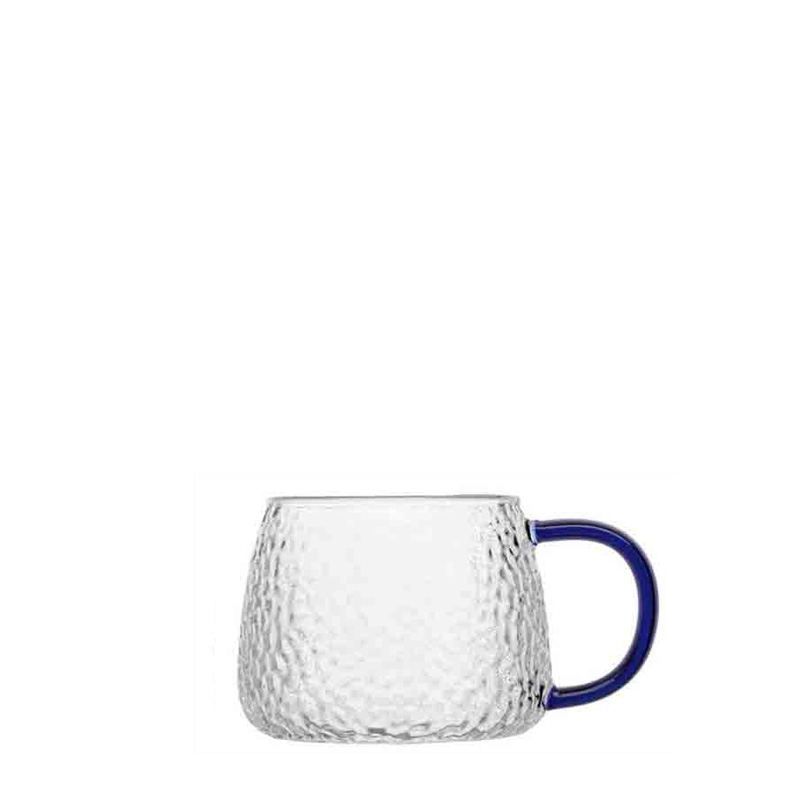
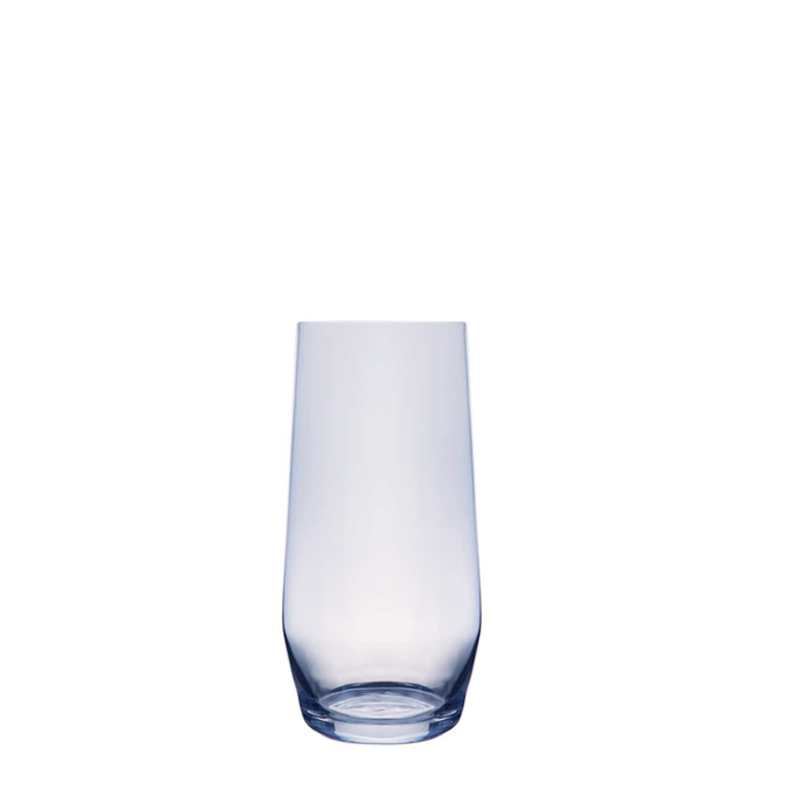
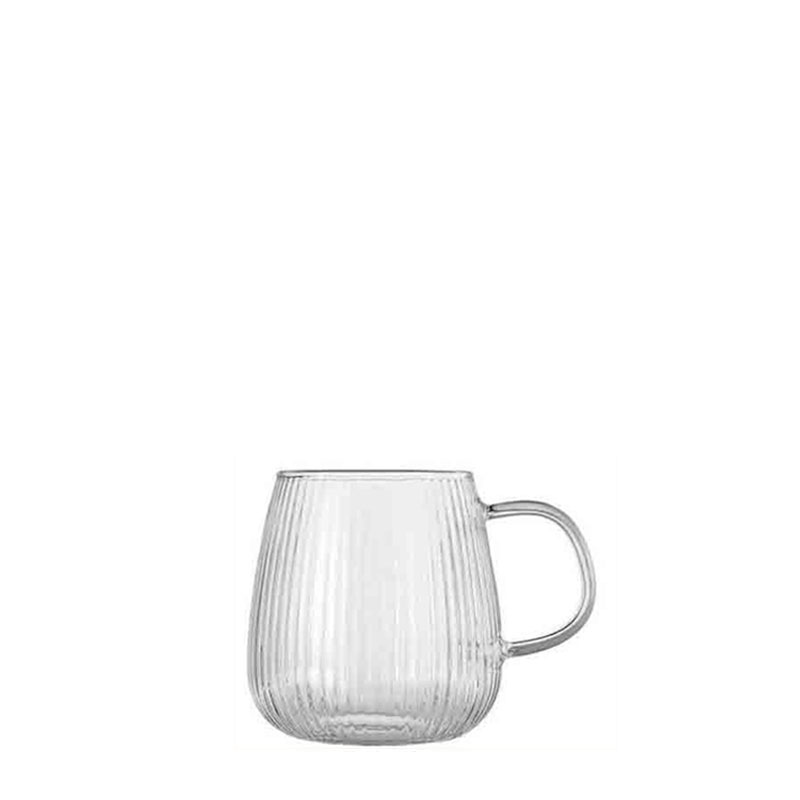
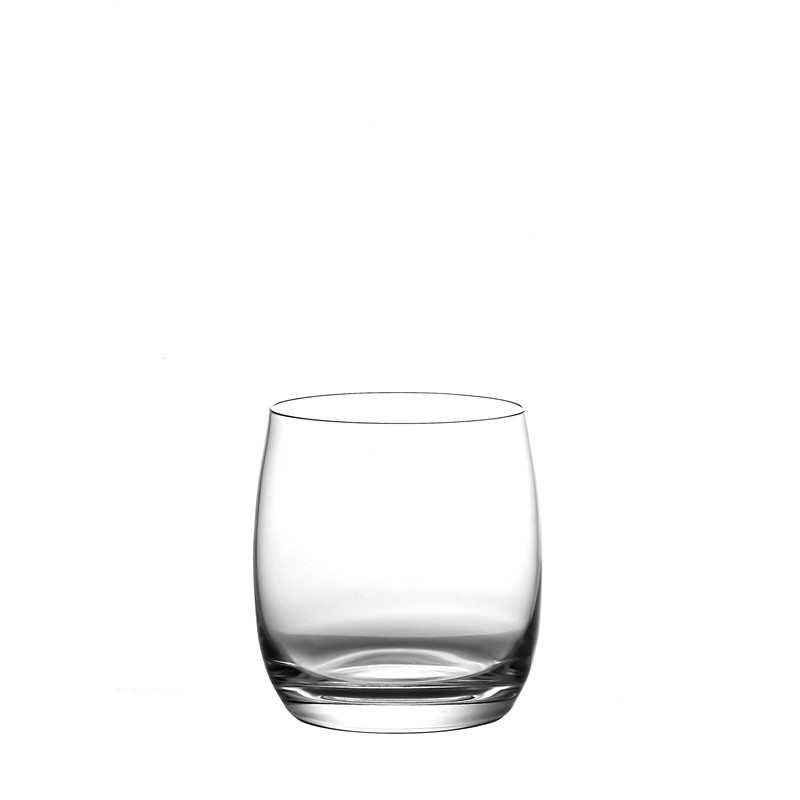
High borosilicate glass has become one of the most important materials in modern consumer goods, kitchenware, drinkware, and laboratory applications. Its thermal stability, chemical resistance, and clarity make it indispensable across global markets. Yet one challenge has persisted for decades: how to reduce weight without compromising strength.
Lightweighting is no longer a trend—it is a requirement driven by logistics efficiency, sustainability goals, and consumer expectations. Xinghuo Glass has developed a manufacturing approach that successfully addresses this challenge, enabling lighter, stronger, and more efficient high‑borosilicate products for OEM/ODM partners worldwide.
Why Lightweighting Matters
High borosilicate glass is defined by ISO 3585, which specifies its thermal and chemical performance. Traditional production methods often result in heavier products because of high melting temperatures, thicker walls, and strict structural requirements.
Independent research supports the importance of lightweighting:
The Fraunhofer Institute reports that reducing glass weight can lower energy consumption in forming processes by 12–18%. Source: https://www.fraunhofer.de/en.html
According to the United Nations Environment Programme (UNEP), lighter packaging materials can reduce lifecycle carbon emissions by 20–30%. Source: https://www.unep.org/
The U.S. Department of Energy (DOE) notes that glass manufacturing accounts for approximately 1.2% of industrial energy use, making lightweighting a direct path to energy reduction. Source: https://www.energy.gov/
These findings reinforce the value of lightweighting for manufacturers, distributors, and retailers.
Xinghuo Glass’s Technical Breakthrough
High borosilicate glass requires extremely stable furnace temperatures. Xinghuo Glass has refined its temperature control system, allowing more accurate forming and enabling thinner walls without sacrificing structural integrity.
New mold geometries reduce unnecessary thickness while maintaining impact resistance. This redesign improves material distribution and ensures consistent product balance.
A carefully controlled annealing curve reduces internal stress by up to 15%, preserving durability even with reduced weight. This process is also applied to our heat‑resistant glassware.
Enhanced flow control ensures uniform glass distribution, preventing weak points and improving long‑term stability.
High‑resolution optical inspection and stress testing ensure lightweight products meet international standards. More insights are available in glass manufacturing technology.
Environmental and Economic Benefits
Lightweighting delivers measurable advantages:
Lower transportation and warehousing costs
Reduced raw material consumption
Lower carbon emissions
Improved retail competitiveness
Enhanced user comfort
Higher production efficiency
The EPA emphasizes that reducing material usage is one of the most effective ways to lower industrial carbon emissions. Source: https://www.epa.gov/
These benefits directly support global sustainability goals and strengthen product competitiveness in international markets.
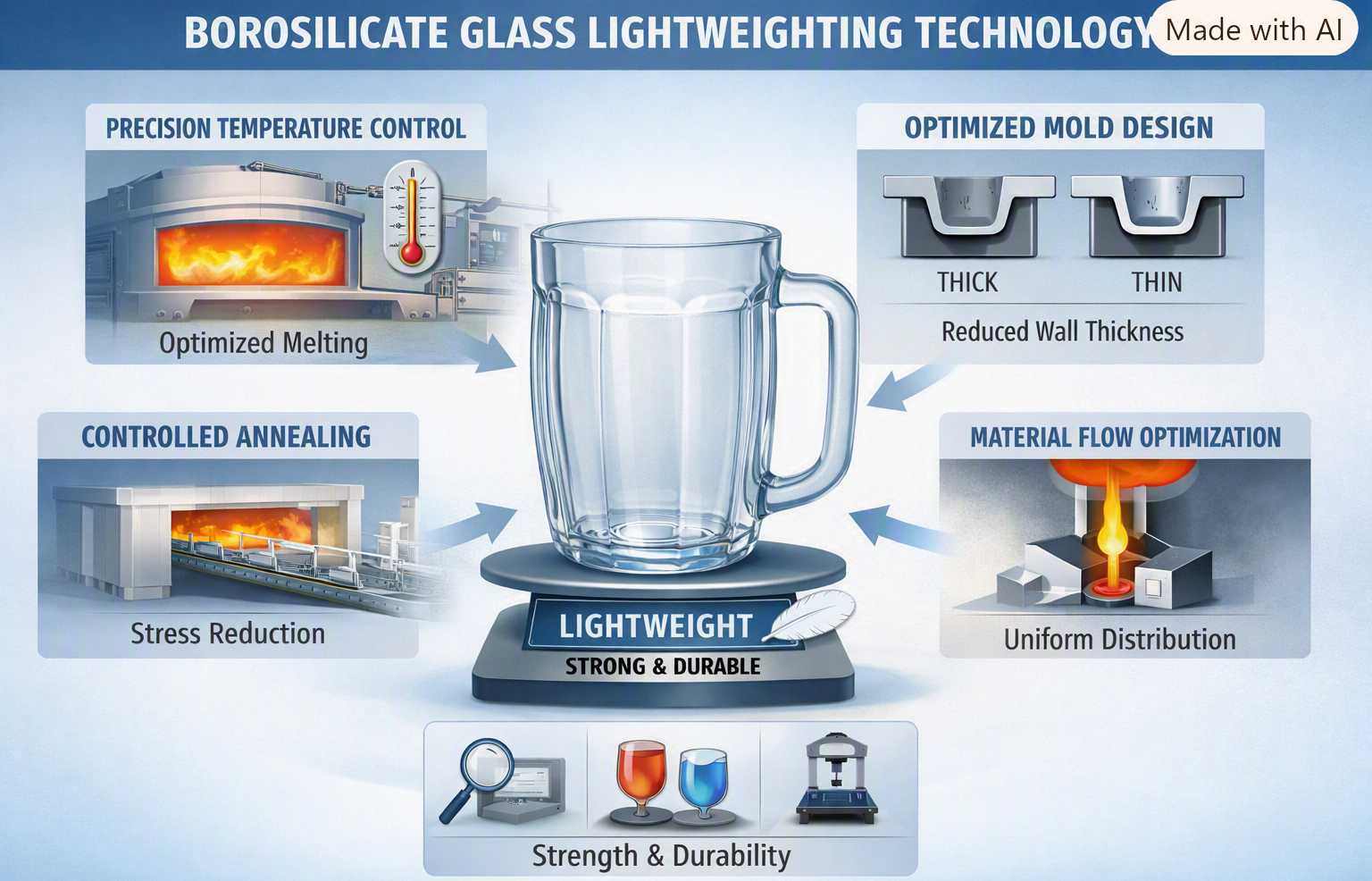
Schematic diagram of Xinghuo lightweight high borosilicate glass technology
Applications Across Industries
Lightweight high borosilicate glass is ideal for:
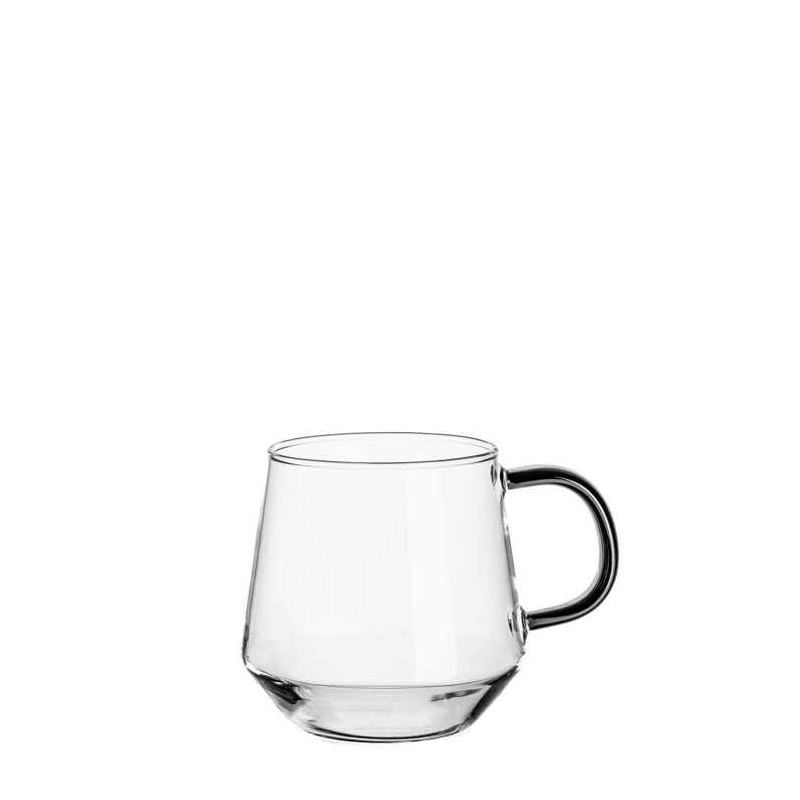
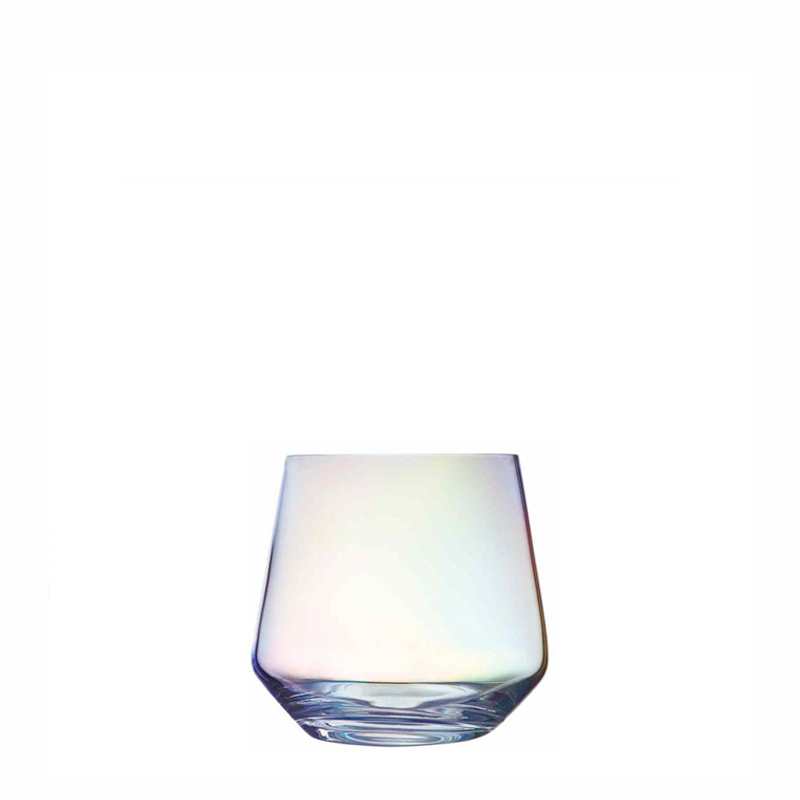
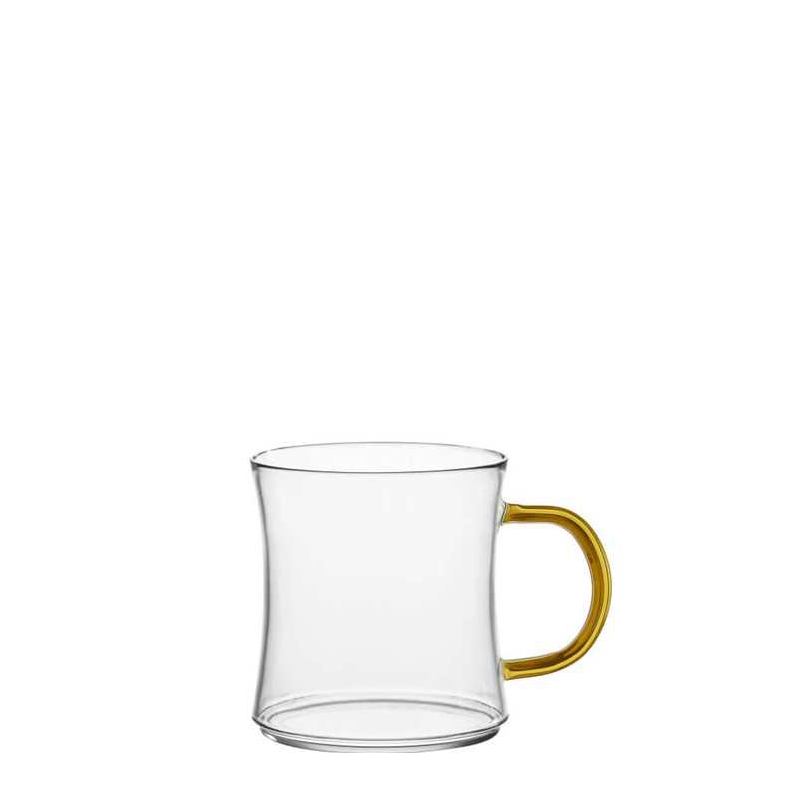
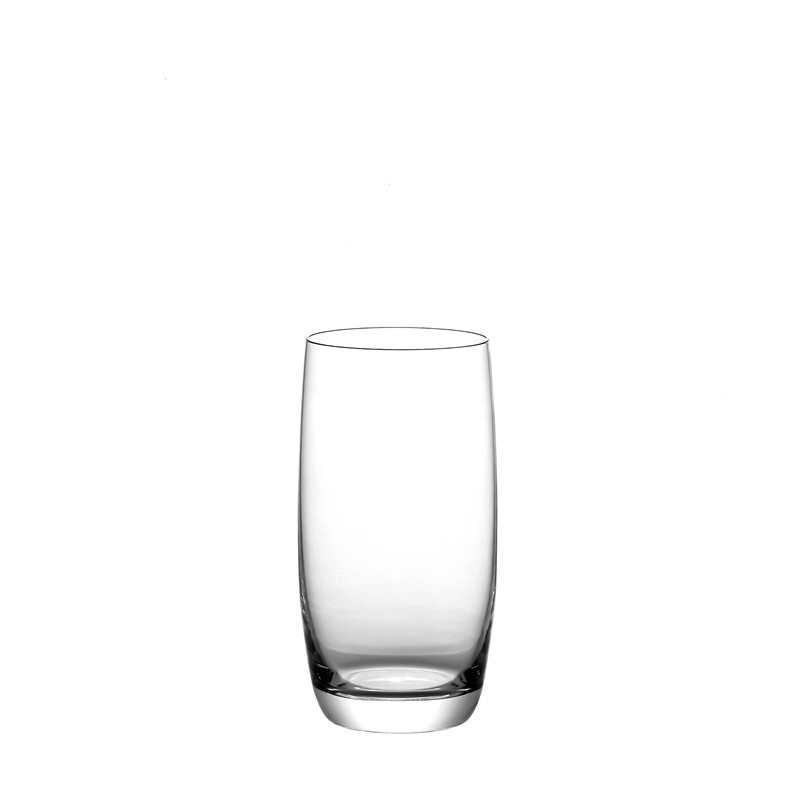
Drinkware (cups, mugs, tumblers)
Kitchen storage containers
Heat‑resistant cookware
Laboratory glassware
Retail gift sets
OEM/ODM private‑label collections
Our borosilicate storage jars demonstrate how lightweighting enhances daily usability and retail appeal.
Technical Summary
| Technical Area | Improvement |
| Wall Thickness | Reduced while maintaining strength |
| Heat Resistance | Same performance with lower weight |
| Structural Stability | Improved through annealing optimization |
| Material Efficiency | Lower consumption, higher yield |
| Production Consistency | Enhanced through mold redesign |
FAQ
No. Through optimized mold design and controlled annealing, lightweight high borosilicate glass maintains the same thermal and mechanical performance as traditional versions. See heat‑resistant glassware.
Yes. Xinghuo Glass supports full OEM/ODM customization, including shapes, capacities, colors, logos, and packaging. Learn more: OEM/ODM customization.
Cups, mugs, jars, cookware, and various household items. Examples: borosilicate glass cups.
Yes. Our upgraded forming and inspection systems support stable, large‑scale production for global wholesale and retail supply.
All products undergo stress testing, thermal shock testing, and optical inspection to meet ISO and global market requirements.
ISO 3585:1998 — Borosilicate glass 3.3 — Properties This international standard defines the physical and chemical properties of borosilicate glass 3.3, including thermal resistance, chemical durability, and mechanical stability. Official documentation is available through the ISO website by searching “ISO 3585:1998” on: https://www.iso.org



Xml Privacy Policy Blog Sitemap
Copyright © 2026 Jiangsu Xinghuo Technology Co., Ltd. All Rights Reserved.  Network Supported

 EN
EN AR
AR