|
News Release
NANJING, China — April 26, 2025
|
|
M
|
Mary
Marketing Department, Jiangsu Xinghuo Technology Co., Ltd.
|
|
|
|
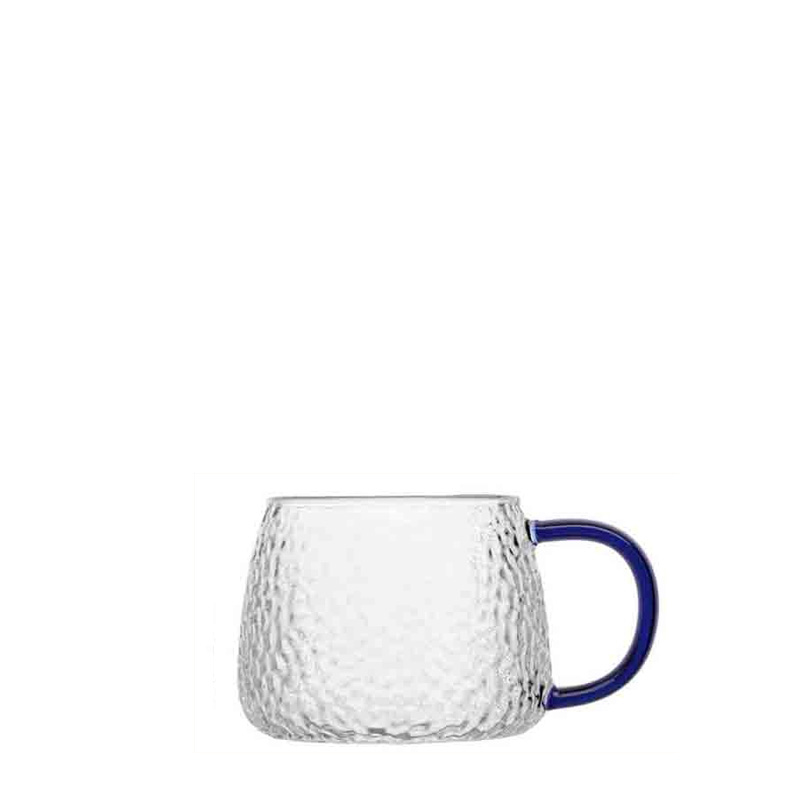
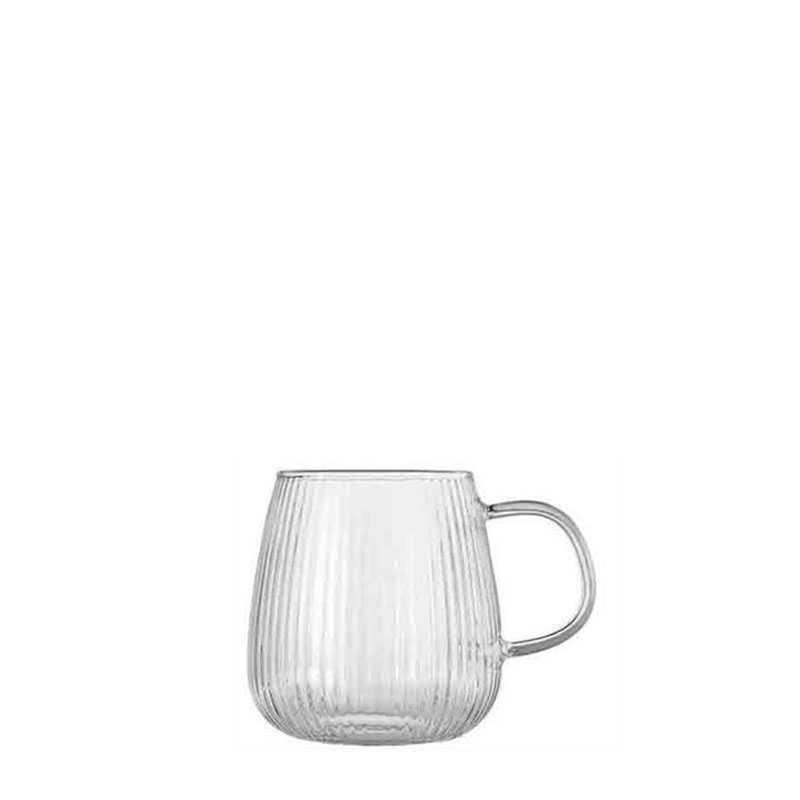
XINGHUO Glass has upgraded the heat and shatter resistance of part of its borosilicate glass cup range. The products that received the upgrade handle a wider temperature swing before they crack, and the change comes from a revised glass formula and a new heat treatment step. The standard figure across the company's borosilicate cups remains a working range of −20°C to 150°C.
|
Test Results
|
|
The R&D centre ran the upgraded cups against the company's standard borosilicate cups. Two measurements moved: the temperature swing the cup survives, and the drop height it survives. The breakage pattern changed as well.
The upgrade has been applied to part of the product line rather than across it, so both figures stay in the catalogue: −20°C to 150°C for the standard range, and up to 200°C on the products built to the new specification.
|
| Performance Indicator |
Standard Range |
Upgraded Range |
Change |
| Thermal shock range (°C) |
−20 to 150 |
−20 to 200 |
+29% |
| Free-drop height (m) |
1.0 |
1.2 |
+20% |
| Breakage pattern |
Small sharp fragments |
Breaks into larger pieces |
— |
|
|
Thermal shock and impact figures for the standard and upgraded borosilicate glass cup ranges.
|
What Changed in the Formula
|
|
The borosilicate 3.3 formula was rebalanced: boron content now sits at 12.5% to 13.5% and silicon at 78% to 80%, which brings the linear expansion coefficient down to 3.3 × 10⁻⁶/K — roughly a third of the figure for ordinary glass. Lower expansion means less stress when one part of a cup is hotter than another, which is the mechanism behind most thermal cracking.
The reformulation was kept within the limits that protect the other properties of the glass. Transparency and resistance to corrosion from drinks and from dishwasher detergent were checked alongside the thermal numbers, so the higher boron content did not come at the cost of clouding or surface damage over time.
|
What Changed in the Cup Itself
|
|
The company describes the cup body as a double-wall build, with a uniform 2.8 mm wall and an insulating layer between the inner and outer surfaces. In its own measurements, that cuts heat transfer through the wall by about 40%, which keeps the area a hand closes around within a comfortable range while the cup holds a hot drink.
The handle was reworked at the same time. Its contact surface carries a texture that was pressure-tested for grip, and on a 500 ml cup held in one hand the company measures an anti-slip coefficient of 0.78, against the value it recorded on a plain handle. On a full cup of hot liquid, that difference is what stops the glass from turning in the hand.
|

Glass cups on the forming line at the XINGHUO Glass factory.
|
What It Means for Buyers
|
|
"Safety is the part of a specification a customer cannot see until something goes wrong," said Jimmy Wang, CEO of XINGHUO Glass. "The work on this range was about widening the margin, so that a cup moved between a cold shelf and a hot drink has more room before it reaches its limit. We will keep putting development money into that margin."
For buyers, the practical effect sits in the specification sheet. Thermal shock range, drop height, and breakage behaviour are the three figures that appear in retail safety requirements and in the test files that large chains ask to see, and the upgraded range is documented through the company's quality and compliance process. The same construction can be applied to shapes developed under a custom processing order.
|
|
Buyers who need the test report, the current specification sheet, or samples from the upgraded range can reach the export team at export@xinghuoglass.com or on WhatsApp at +86 18155260624.
|
|
About XINGHUO Glass
|
|
Jiangsu Xinghuo Technology Co., Ltd. has been manufacturing household glassware since 1999, with a factory in Jiangsu Province, China, and an export team working with buyers in more than 30 countries. The company works mainly with lead-free crystal glass and borosilicate glass, and handles forming, decoration, and finishing in house.
Product lines cover drinkware, wineware, tableware, and glass containers, supplied either from the existing catalogue or developed to a customer's own drawing and specification. For more information, visit the company profile page.
|
|



 Network Supported

 EN
 AR