|
||||||||
|
||||||||
|
XINGHUO Glass still blows and carves glass by hand, and still runs the rest of the plant on modern equipment. The company's answer to the two is not to choose between them: hand work is kept where it changes what a buyer sees and feels, and machinery is used where it holds a specification steady. |
||||||||
|
||||||||
Where Hand Work Still Decides |
||||||||
|
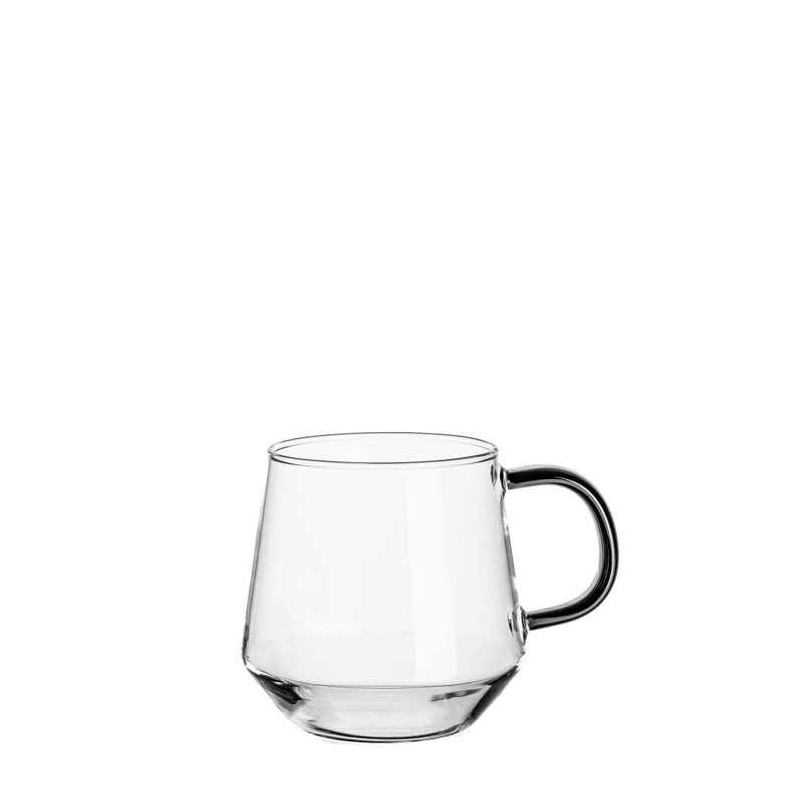
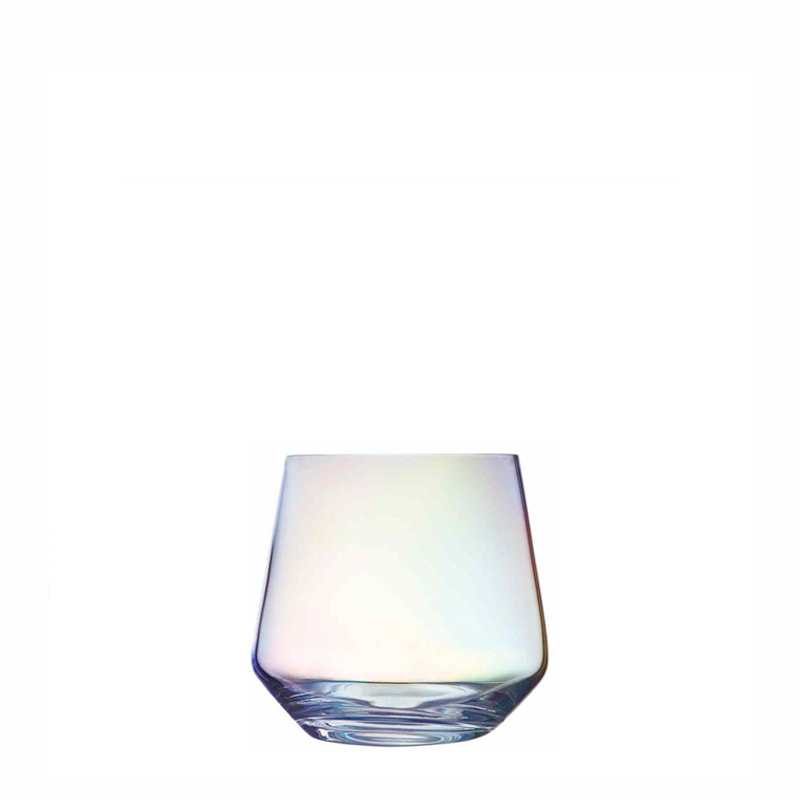
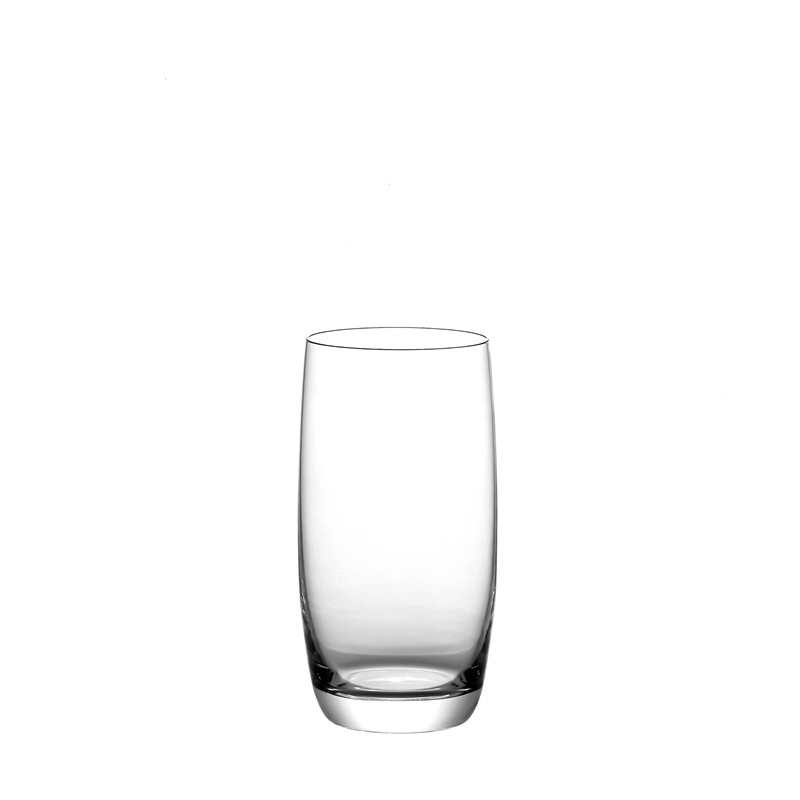
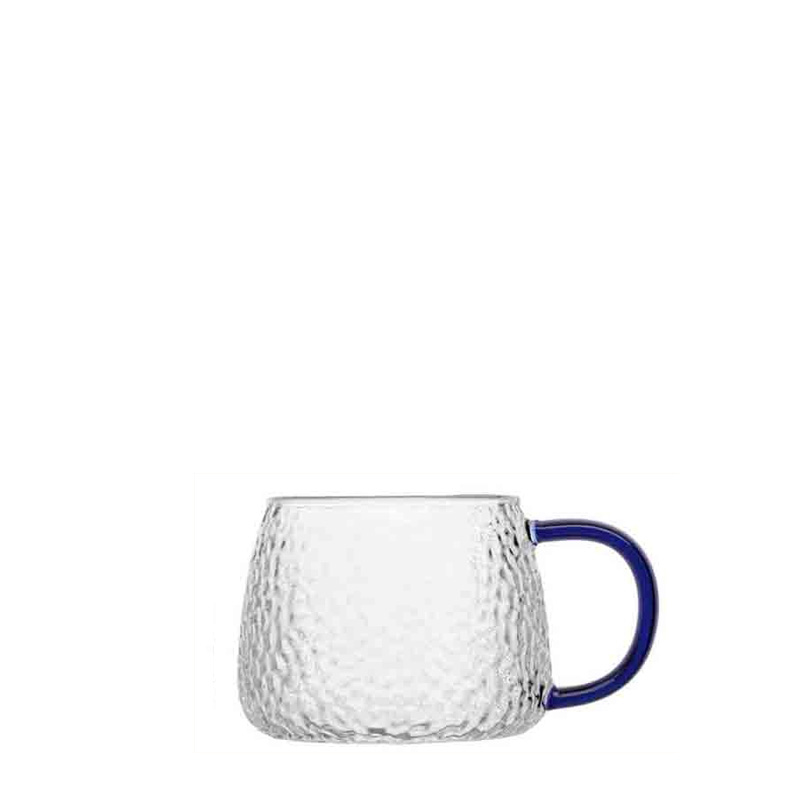
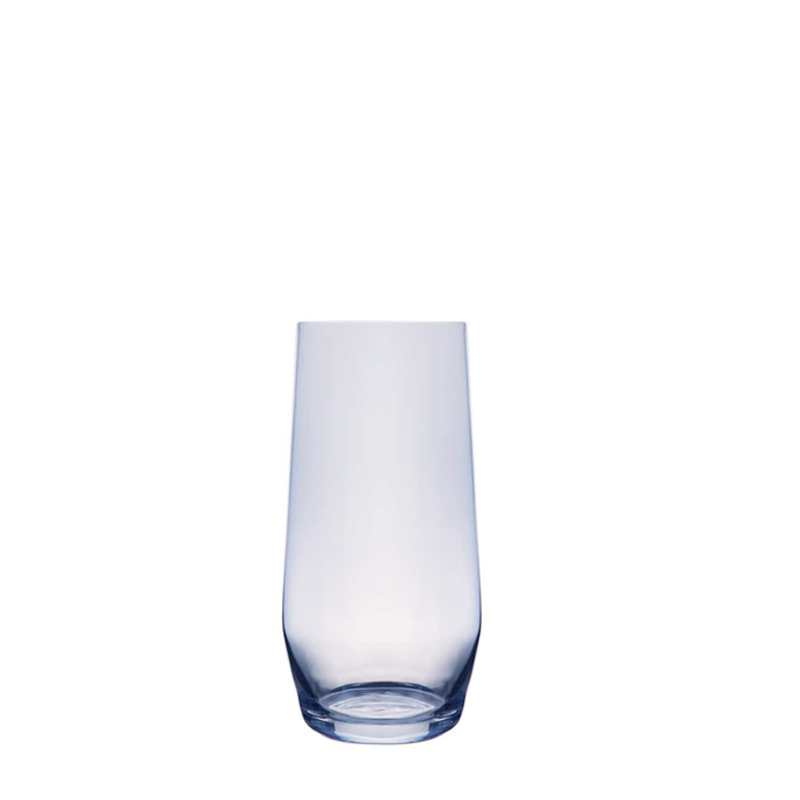
When the company started, it brought in glassworkers who had learned their trades before joining. Some of them had been blowing glass for years; others cut patterns into finished pieces. The history of Xinghuo Glass runs through that group of people, and the techniques they brought are still in use on the shop floor. Hand blowing matters most on crystal glass water cups and stemware, where the shape of a single piece and the evenness of the wall are things a machine can only approximate. On decorated wine glasses, the cutting is done by hand, with patterns drawn from flowers, fish, and geometric motifs that would take longer to set up on a machine than to cut by hand. |
||||||||
Where Machinery Takes Over |
||||||||
|
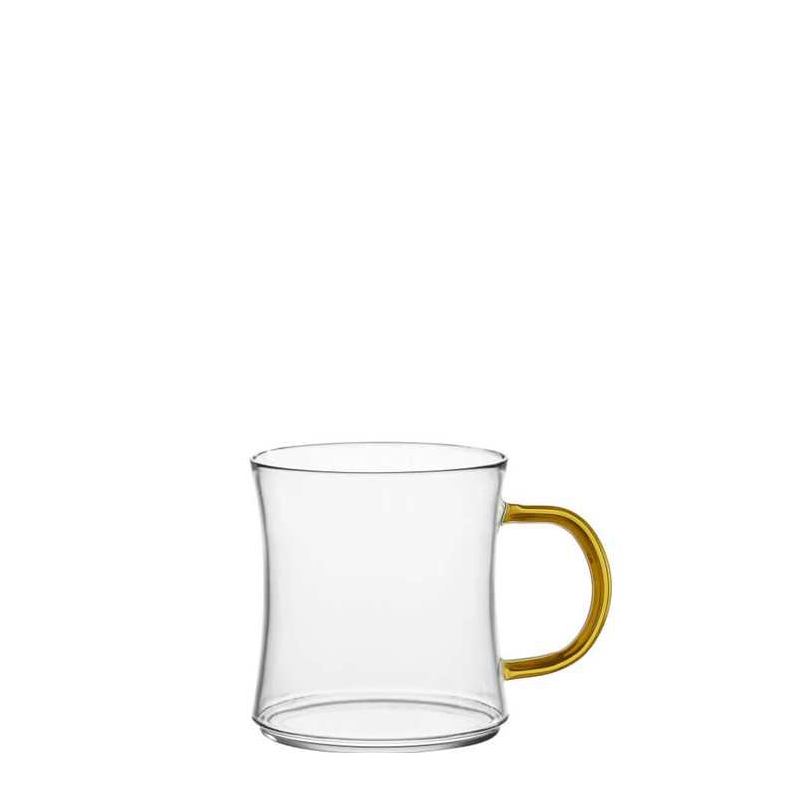
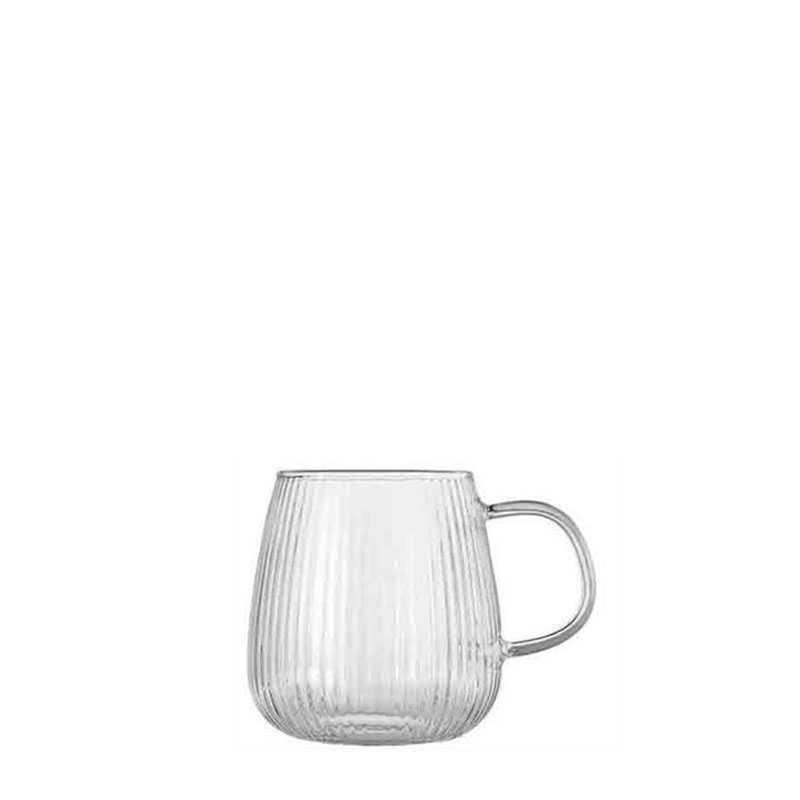
The company checks incoming raw material with spectral analysis rather than by eye. The equipment reads the composition of a batch and flags the impurities that show up later as cloudiness or colour drift in the finished glass, which matters more on borosilicate glass than on thicker tableware. On the cup lines, the melting temperature is held by operators working the furnace rather than left to the equipment alone. The glass is blown from the pipe by hand, and the force the blower uses decides how the wall thickness comes out. Alongside that, designers draw the shape in software, adjust the profile and the details, and send the data straight to the machines. New shapes reach the line faster than they would if every change had to be worked out on the pipe. Hand work also sets the ceiling on volume, which is why the company keeps a custom processing service separate from its catalogue lines. |
||||||||

Amber glass bowls on the annealing line at the XINGHUO Glass factory.
|
||||||||
Inspection |
||||||||
|
Final inspection runs on an optical detector that reads transparency, flatness, and surface wear resistance in sequence. Pieces that fall outside the range are pulled before packing rather than after arrival, which is the difference between a claim and a credit note. The company's quality and compliance process covers the tests buyers ask for on household glassware, including the ones that apply to food contact. |
||||||||
What Comes Next |
||||||||
|
The company plans to put more into development over the next few years, with the aim of widening the part of the range that carries both hand finishing and a machine-controlled specification. For buyers, that means more shapes available at catalogue volumes without giving up the hand-cut details that separate one supplier's glassware from another's. |
||||||||
|
||||||||
About XINGHUO Glass |
||||||||
|
Jiangsu Xinghuo Technology Co., Ltd. (XINGHUO Glass) has been making glassware since 1999 from its base in Nanjing, China. The company works mainly with lead-free crystal glass and borosilicate glass, and covers forming, decoration, and finishing in house. Its range covers glass drinkware, wine glasses and decanters, and glass tableware, supplied to importers, wholesalers, and retail chains in more than 30 countries. See About XINGHUO Glass for more. |
||||||||
|



Xml Privacy Policy Blog Sitemap
Copyright © 2026 Jiangsu Xinghuo Technology Co., Ltd. All Rights Reserved.  Network Supported

 EN
 AR