

XHGPB47
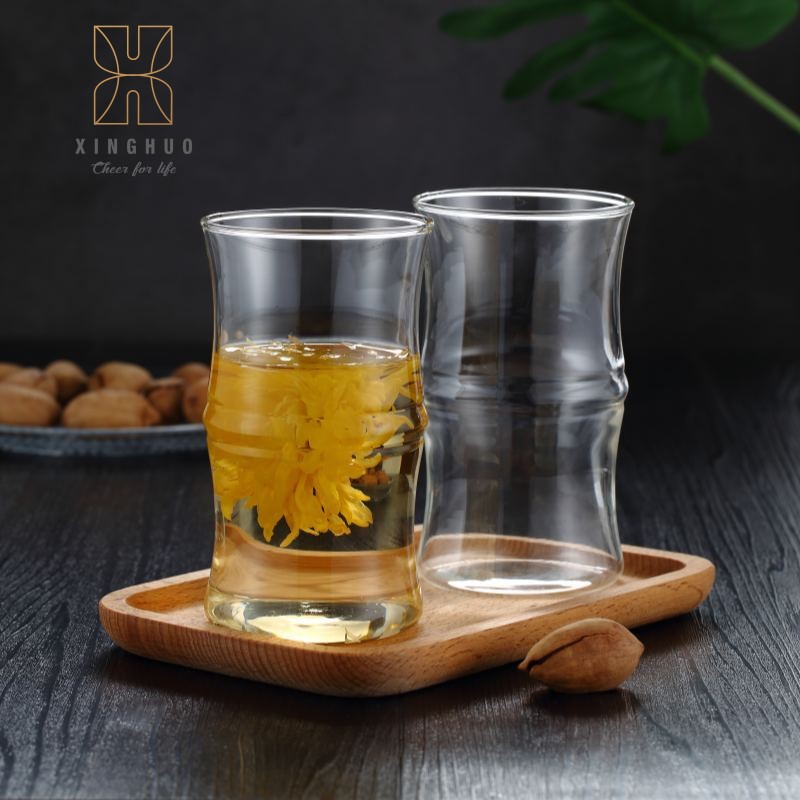
Model XHGPB47 is a 440 ml bamboo-profile tumbler in high borosilicate, 131.5 mm tall on a 76 mm rim, with two pinched nodes running up the body where a bamboo culm would swell. The profile is formed in the glass rather than applied to it, so there is no seam to catch a cloth, and the pinch sits where the fingers naturally fall. At 440 ml it takes a large latte, a 400 ml juice bottle or a highball with room for ice, and the clear body shows the colour of whatever is in it. The same shape is also run with a coloured glass handle and printed with customer artwork. Packing is 6 per box, 12 boxes per carton. Logo, print and gift box are quoted together.
Updated on
Item No :
XHGPB47Order(MOQ) :
5000pcsPayment :
TT,LCProduct Origin :
ChinaColor :
TransparentPort :
Shanghai, Nanjing, Ningbo, Guangzhou, Shenzhen, etc.Lead Time :
20 daysThe profile runs narrow, wide, narrow up the body, the way a bamboo culm swells at the node and pinches between. It is formed in the glass rather than applied to it, so there is no seam for a cloth to catch on and nothing to lift at the edge. The pinch is also exactly where the fingers close.
Borosilicate rather than soda lime, which is what keeps the wall clear instead of going grey where it is thinnest. Layered drinks show their layers through it, and a coffee reads dark amber rather than brown through the pinch. The clarity comes from the material, so there is no coating that can wear off in the wash.
Tall and slim rather than short and wide, so it takes a full latte or a long drink without looking half empty, and it occupies a smaller footprint on a table than a 440 ml tumbler of normal proportions. On a cafe tray that matters more than it sounds: fewer knocks, less spillage.
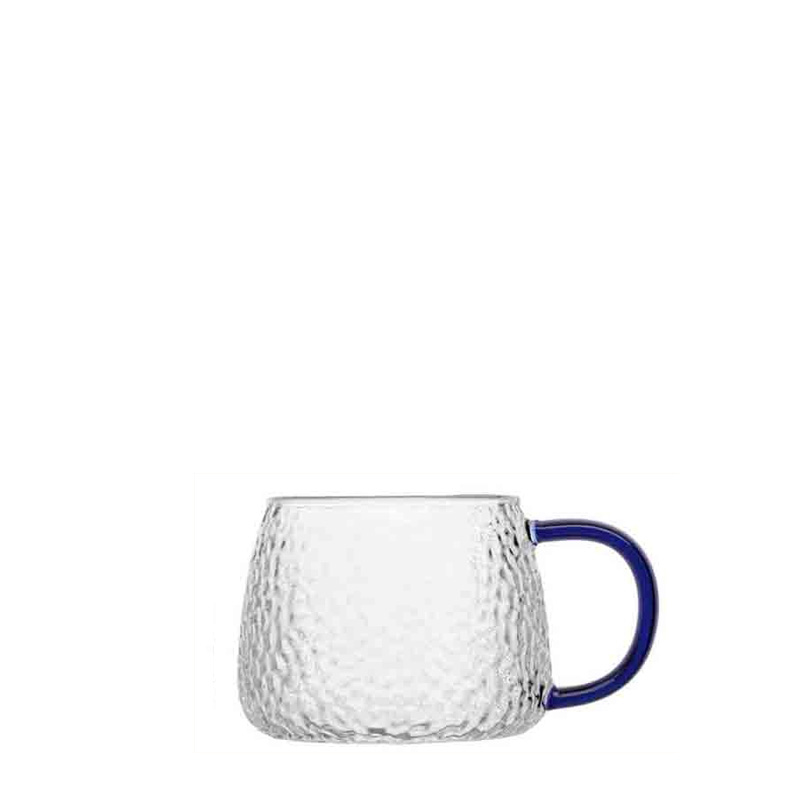
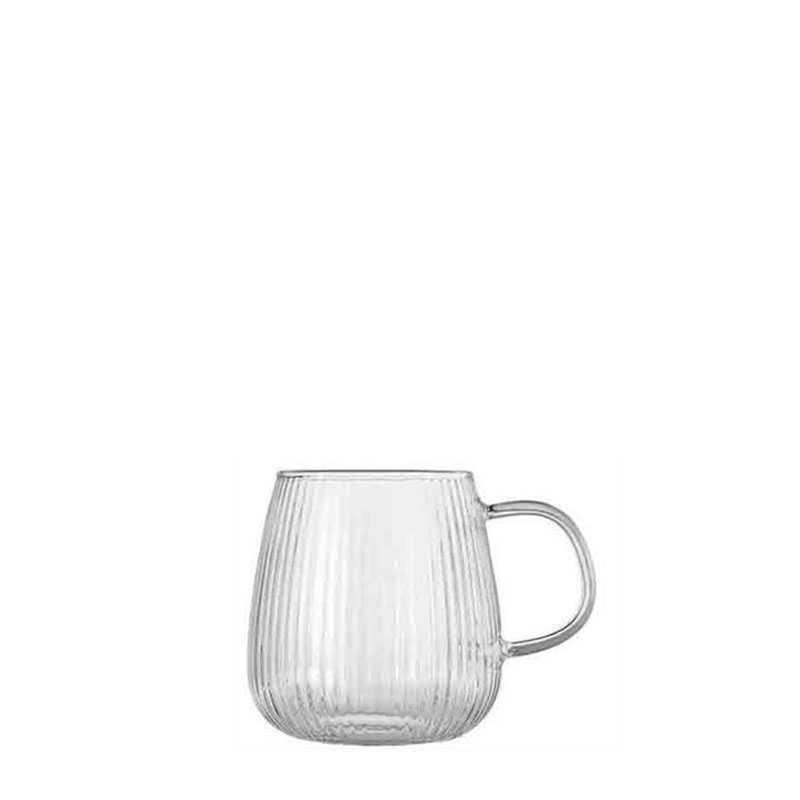
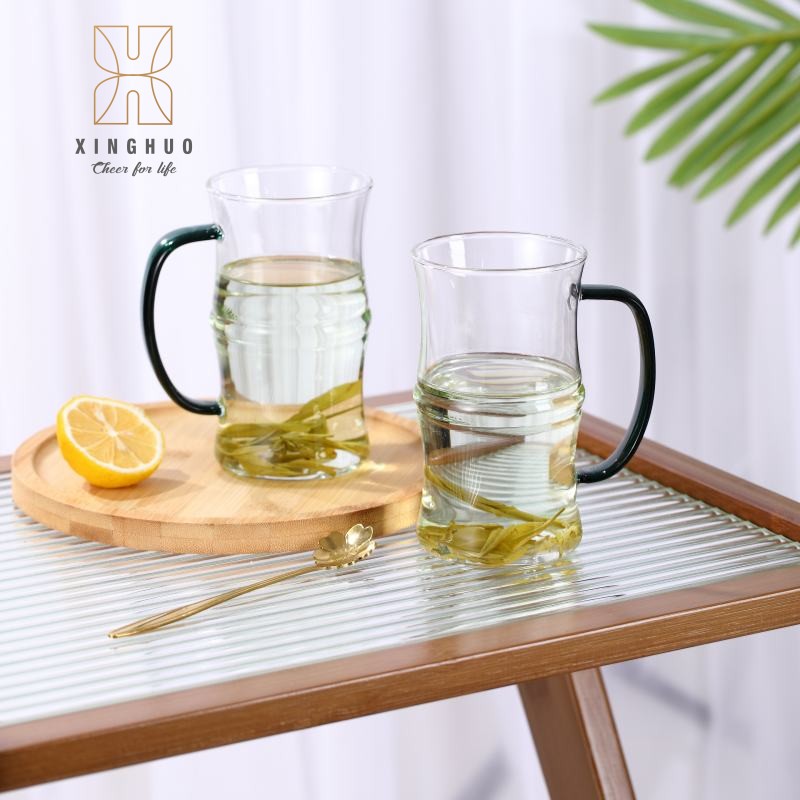
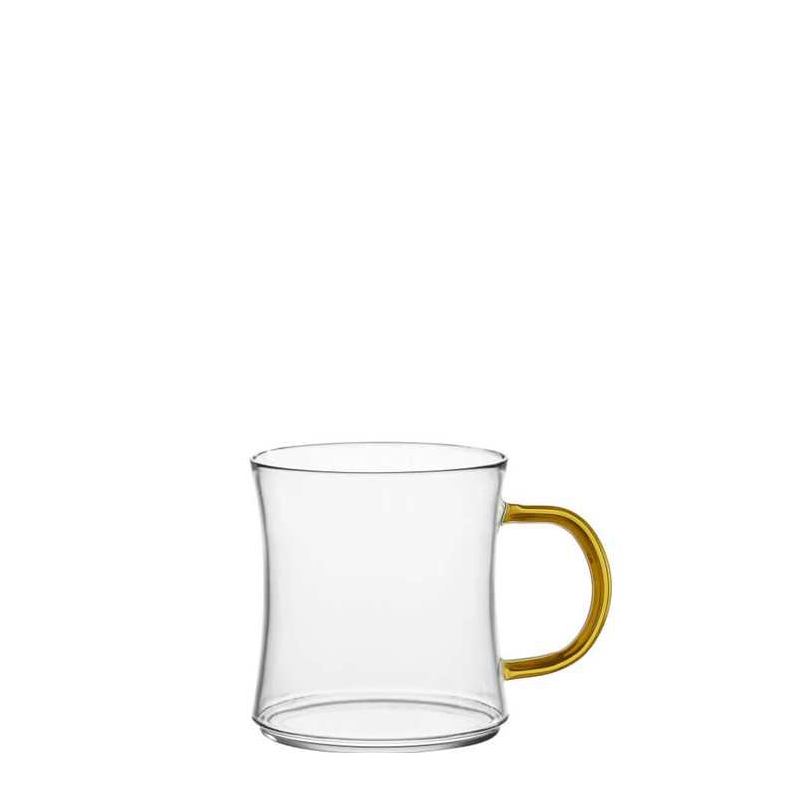
The handle-free body is the standard build. The same shape also runs with a coloured glass handle, which is a separate mould and therefore a tooling line on the quotation rather than a free variation. It adds to the lead time, and it is what a hotel or a gift line usually asks for.
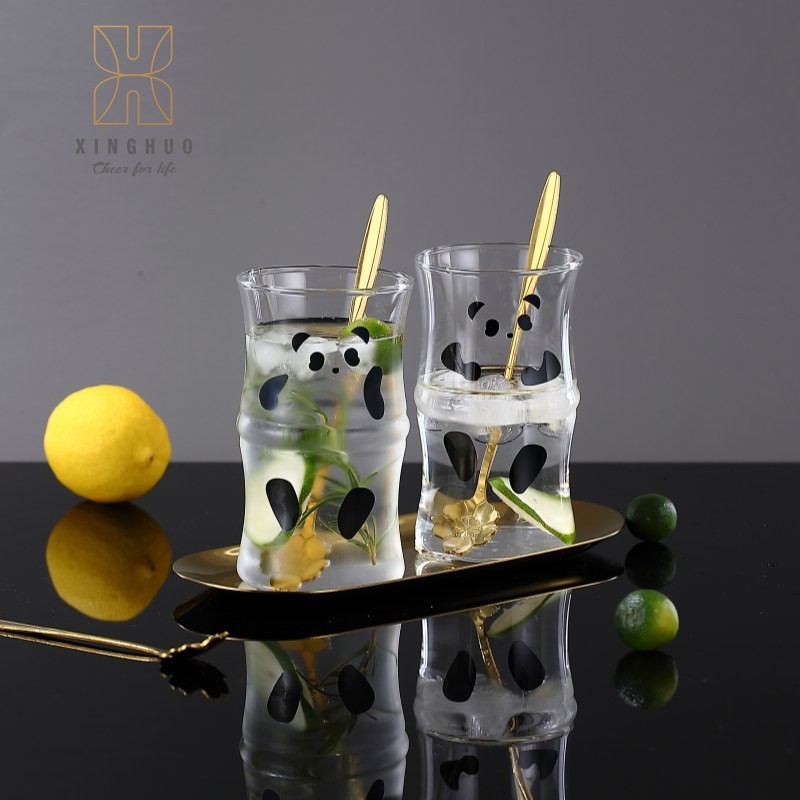
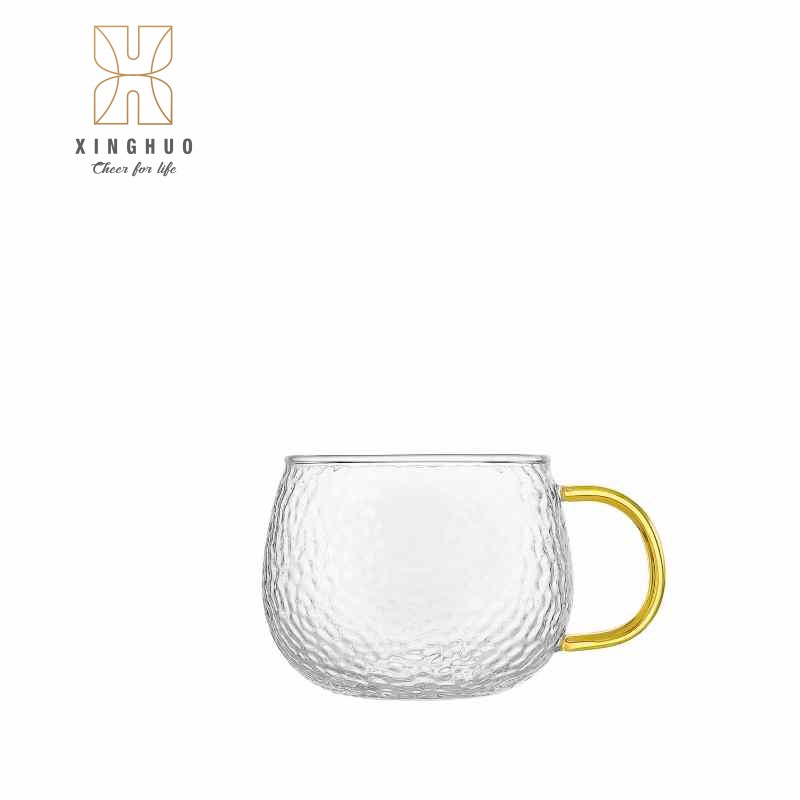
Decal print, etching and spray colour all run on this body, and the printed panda designs in the gallery are the same glass with artwork on it rather than a different product. A wrapped design follows the node, so artwork is laid out around the pinch rather than across it. Packing is 6 to a box and 12 boxes to a carton.
Need a price on this tumbler, or a sample before you commit? Send the spec and we will come back within 24 hours.
Get a Quote| Parameter | Specification |
|---|---|
| Product Type | Bamboo-profile glass tumbler |
| Capacity | 440 ml / 14.9 oz |
| Height | 131.5 mm / 5.2 in |
| Rim Diameter | 76 mm / 3.0 in |
| Base | No separate foot ring, the body closes to the base |
| Material | High borosilicate glass |
| Colour | Clear as standard |
| Packing | 1 x 6 x 12, 6 per box, 72 per carton |
| MOQ | Flexible, quoted per order |
| Lead Time | 5 to 20 days from stock, 30 to 45 days for custom production |
| Sample Lead Time | 7 to 10 working days by express |
| Decoration | Decal print, etching, spray colour |
| Handle | Handle-free as standard, coloured glass handle to order |
| Customisation | Logo, artwork print, coloured handle, gift box |
Two notes on this table. The base diameter is given as NIL on the original listing, and that is accurate rather than an omission: the body closes straight to the base with no separate foot ring, so there is no second diameter to measure. And 440 ml converts to 14.9 oz rather than the 14.8 oz quoted elsewhere, a difference of about 2 ml that changes nothing in practice. The height, the rim and the packing all convert cleanly.
A straight-sided tumbler gives your hand nothing to work against, which is why a wet glass slips. The node on this body narrows to roughly the span of a closed grip, so the fingers sit in the recess instead of relying on friction alone. It is a small thing that becomes obvious the first time you carry one across a wet bar.
A 440 ml tumbler usually runs wide and short. This one runs 131.5 mm up on a 76 mm rim, so it holds the same volume in less table space and reads taller on a shelf. Narrow also means the drink surface is smaller, which slows how fast a hot coffee gives up its heat and how fast a cold drink takes heat in.
Three honest trade-offs. The waist needs a bottle brush rather than a sponge. The body will not nest inside another of the same size, so it takes shelf space. And artwork has to be laid out around the node, because a straight-line logo printed across the pinch will bend. None of the three is a problem once you know about it.
A large latte in a cafe runs about 350 ml, which leaves this glass a comfortable inch at the top. A 400 ml juice bottle empties into it almost to the shoulder. A 330 ml can of soft drink plus ice lands in the lower node with room to spare. A highball at 60 ml spirit, 150 ml mixer and ice fills it to about two thirds.
Three drinks, three fill lines. Coffee goes to about 350 ml so there is room for a crema and for the hand to carry it. Juice goes to 400 ml, because nobody leaves a centimetre of orange juice in the bottle. Cocktails go to 250 to 300 ml with ice, which is where the node sits and where the glass looks deliberate rather than underfilled.
Standard crescent or cube ice drops in without a fight. A 50 mm craft cube will not go through a 76 mm opening once it has started to melt and turn, so a bar running large-format ice wants a wider glass. Bar spoons, straws and a hand all fit, which is the part that matters when a cafe has to wash these by hand at the end of a shift.
Warm water, a drop of washing-up liquid and a bottle brush for the waist. A sponge will not reach the recess where a bamboo node pinches in, and that is where tea and coffee residue collects. A soft brush through the node once a day is the whole routine.
Borosilicate rides a fast temperature change better than soda lime, but not an unlimited one. Do not take a glass out of the fridge and fill it from a boiling kettle, and do not stand an empty one on a hot hob. Let it reach room temperature first, which is a two-minute habit rather than a procedure.
These will not nest. The widest point is in the middle of the body, so one glass cannot sit down inside the next, and forcing it chips the node. Store upright or on a padded shelf in rows, and keep the carton cells for transport. The 1 x 6 x 12 packing is built around that geometry.
A decal print sits on the outer wall and is fired on, so it takes normal washing. What it does not take is a scouring pad or a long soak in a strong detergent, both of which dull the print before they dull the glass. Wash printed pieces with the soft side of the sponge and dry them upright.
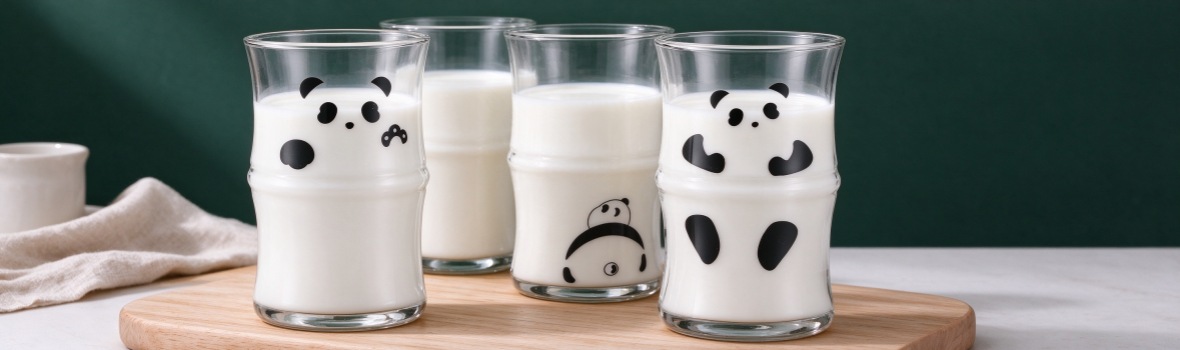
Where a bamboo-profile tumbler earns its place on a list, roughly in the order buyers ask for it. Coffee shops come first, because 440 ml is a large latte and the shape photographs better on a counter than a plain cylinder. Juice bars take it next: the node gives the hand something to hold when the outside of the glass is wet with condensation. Home bars use it for highballs. Offices order it because it looks less like a mug on a desk. Gift and souvenir lines order it last and largest, and they order it printed, which is what the panda designs in the gallery are showing.
One note for buyers assembling a range. This tumbler sits in the borosilicate range. If your list also carries handled coffee cups, the coffee and tea cup range covers that side, and the water cup range covers the straight-sided single-wall cups. More on how we make and pack glassware is on the company page.
High borosilicate is what we run, not a line item you pay extra for. The alternative is soda lime, cheaper per piece and what most pressed tumblers on the market are made of, and it carries roughly three times the thermal expansion. Soda lime stays available as a budget option, but we quote borosilicate first and say why.
A printed body and a handled body are two different moulds and two different print runs, and they are the kind of thing that goes wrong when the glass comes from one supplier and the decoration from another. We hold both, so the artwork is set against the actual node rather than against a drawing of it. Ask for a printed sample before you commit to a design.
Samples go out in 7 to 10 working days by express, and the migration test report for your batch goes with them. We would rather you hold the cup and put it through your own wash cycle before the order is placed than find the problem in a container at the port. Tell us the print, the handle and the packing, and we quote all three together.
Two pinched nodes running up the body, with the wall swelling between them the way a bamboo culm swells at a joint. The profile is formed in the glass, not printed or applied, so the recess is real and your fingers sit in it. It is a shape rather than a bamboo motif, which is why it does not date the way a printed pattern does.
Both, near enough. 440 ml converts to 14.9 oz, so the 14.8 oz on the listing is 2 ml out, which is inside the tolerance of a pressed body rather than an error worth chasing. We quote 440 ml / 14.9 oz. The height, the rim diameter and the packing all convert cleanly, which is not always the case on these pages.
Yes, by decal print, etching or spray colour. The panda designs in the gallery are the same glass with artwork on it, so what you are looking at is a print job rather than a separate product line. Because the body narrows at the node, artwork has to be laid out around the pinch rather than across it. Send the file and we will come back with a layout that follows the curve.
Yes, the same shape runs with a coloured glass handle, and it is in the gallery. It is a separate mould, so it is quoted as tooling rather than as a free variation, and it adds to the lead time. Tell us which way you are going before we quote, because it changes both the price and the schedule.
The glass will. Your hand may not, because this is a single wall and the handle-free version puts the drink one wall away from your palm. Under 80 °C is comfortable to carry; a fresh 95 °C pour is not, and a cafe should be using the handled version or a sleeve for that. It is the same limit every single-wall glass has, and we would rather say it than let you find out on a trial order.
It needs a bottle brush rather than a sponge, and that is the honest answer. The recess is where coffee oil and tea tannin collect, and a flat sponge will pass over it. A brush through the node takes a few seconds a day. If your operation cannot add that step, a straight-sided tumbler is the easier glass to run.
Yes, throughout the body rather than as a coating on soda lime, which is a thing that exists in this market and is worth asking about. The tell is the thermal range: soda lime will not take a fast temperature swing without stress building in the wall. Ask any supplier for the expansion coefficient if you want to check it before you place an order.
MOQ is flexible and quoted per order, because a mixed carton of two or three items is normal for us. Stock ships in 5 to 20 days, custom production takes 30 to 45 days, and samples go out in 7 to 10 working days by express. A printed design adds a proof stage before production starts.
The glass is high borosilicate intended for normal food-contact use. Migration test reports are available on request for the batch you order, and we send them before the deposit rather than after.
Need this tumbler with your artwork on the wall, a coloured handle, or packed as a gift box? Send the spec and we will come back with a price and a sample date.
Request a Quote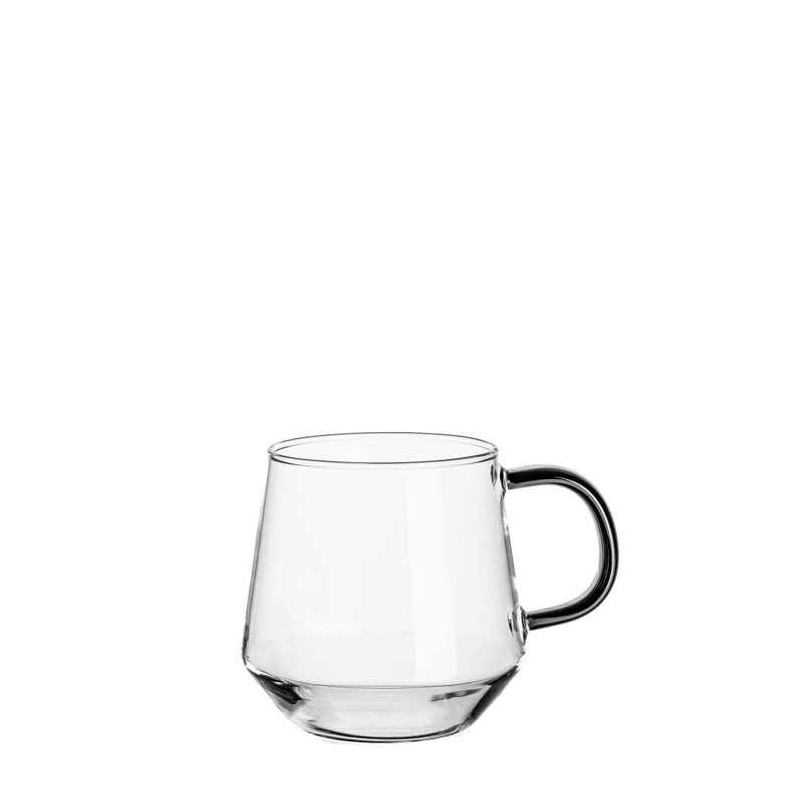






Xml Privacy Policy Blog Sitemap
Copyright © 2026 XINGHUO Glass All Rights Reserved.  Network Supported

 EN
 AR