ENEN ARAR
xinghuo-glass-blog-insights-industry-trends-banner
Home

Blog

Blog

  • The world of glassware--XINGHUO Glass
    The world of glassware--XINGHUO Glass Jan 09, 2024
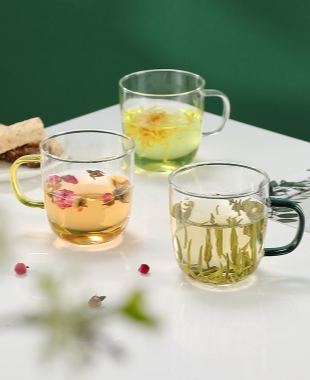
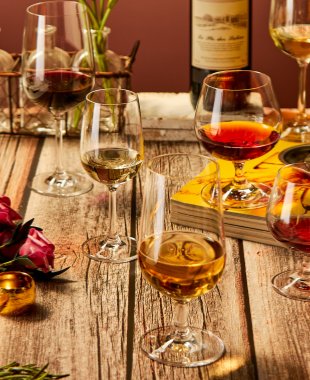
    In this era of striving for quality of life and aesthetic enjoyment, glassware is not only a daily necessity, but also an indispensable artistic element in home decoration. As a factory specialising in the production of high-end household glassware, XINGHUO Glass presents you with a crystal clear and dazzling glass world of excellent quality, exquisite craftsmanship and unlimited creativity. Borosilicate glass series: the perfect combination of durability and art At XINGHUO Glass, our borosilicate glass series has become a standout choice in drinkware and tableware, celebrated for its superior performance. This material excels with remarkable thermal resistance, maintaining its integrity through extreme temperature variations without cracking. It also features excellent impact resistance, significantly reducing the likelihood of breakage even when accidents occur, thus providing enhanced safety for users. Additionally, its outstanding chemical stability ensures no reaction with acidic or alkaline substances over prolonged exposure, safeguarding the safety and quality of food and beverages. Whether it's everyday essentials like water glasses, teacups, and coffee mugs, or specialized items such as wine and cocktail glasses for refined occasions, every borosilicate glass product from XINGHUO Glass undergoes a rigorous quality control process. From the selection of raw materials to the final inspection before leaving the factory, each step is meticulously executed to ensure perfection. Our aim is to provide consumers with high-quality living accessories that are both aesthetically pleasing and highly functional.By adhering to these stringent standards, we aspire to offer more than just visual appeal; we strive to deliver an inherent sense of quality that instills confidence and comfort in our users. Every use becomes a small ritual, enhancing daily experiences with a touch of elegance and reassurance. Worth special mention is our kettle and glass set, which seamlessly blends functionality with aesthetic design. This ensemble not only satisfies the daily hydration needs of a household but also serves as an elegant decor item that enhances the home atmosphere. With its sophisticated and graceful design language, the set effortlessly complements a wide range of kitchen or dining table settings, becoming a rare and beautiful highlight. Whether for personal use or as a gift, it is an excellent choice in every regard. Crystal Glass Collection: A Model of Luxury and Elegance For those who seek luxury and elegance, XINGHUO Glass's crystal glass series is an absolute must-see. This collection epitomizes the pursuit of a high-quality lifestyle while showcasing an unwavering attention to detail. We utilize only the finest raw materials, rigorously selected and processed to ensure that each piece meets the highest standards. Our artisans merge traditional craftsmanship with contemporary design through masterful hand-blown and cut techniques, resulting in crystal glass items that radiate brilliance and appear as exquisite works of art, leaving one in awe. Whether it's an elegant wine glass or a refined tableware set, XINGHUO Glass enhances your dining experience with a touch of extraordinary elegance. On special occasions when you invite family and friends for dinner, these exquisite pieces will stand out as the most striking elements on the table, making your gathering even more memorable. They are not merely vessels for food and drink but also significant expressions of personal taste and style. Additionally, our product line encompasses a variety of aesthetically pleasing and practical household items, such as glass pots, bowls, salad servers, and dinner plates. These products adhere to XINGHUO Glass's unwavering commitment to high-standard manufacturing processes. They boast a stylish appearance that is both modern and elegant, while also being exceptionally easy to clean and maintain. Utilizing such kitchenware can make your cooking experience more enjoyable and effortless, enhancing the ambiance of your home environment. Embrace a sense of ceremony in everyday life and savor the beauty that permeates from within with these fine products! Storage jar series: dual interpretation of function and aesthetics In storage solutions, XINGHUO Glass also demonstrates exceptional creativity and craftsmanship. From elegant jewelry boxes and accessory cases to practical sugar dispensers, nut bowls, fruit platters, and airtight food storage jars and lunch boxes, we meticulously design each item to fulfill all your home organization needs. These storage containers not only safeguard items from moisture and dust but their graceful designs seamlessly integrate into any home decor style. Firstly, our jewelry boxes and accessory cases are crafted from transparent glass, allowing for a clear view of your precious items while avoiding the oxidation issues that can arise with metal or other materials. The interior is thoughtfully partitioned to accommodate various types of jewelry such as necklaces, earrings, and rings, making it easy to access your pieces without misplacing them. Moreover, their exquisite design elevates these storage solutions beyond mere functionality, turning them into striking decorative elements on any tabletop. For kitchenware, our sugar dispensers, nut bowls, and fruit platters place a strong emphasis on combining practicality with aesthetics. Crafted from food-grade safe materials, these containers ensure food hygiene, while their transparent design allows for an immediate view of the contents, making it quick and easy to select the desired ingredients. Whether used daily or placed on the table during holiday gatherings, they add a touch of elegance to any setting. When it comes to long-term food storage, XINGHUO's airtight food storage jars are the ideal choice. These products typically feature silicone gaskets or latch mechanisms that effectively prevent air from entering, thereby extending the shelf life of foods. Available in a variety of capacity sizes, they cater to the diverse needs of different households, making them suitable for storing everything from dry goods and spices to homemade sauces. Moreover, their sleek and elegant design ensures they look right at home even when placed in prominent locations. Lastly, we must highlight our portable lunch box series designed specifically for working professionals. Considering the fast-paced modern lifestyle and the importance of healthy eating, we have introduced this lightweight yet durable product. It is microwave-safe without warping and features excellent heat retention to ensure your meal remains fresh and delicious until lunchtime. More importantly, with its clever structural design, even multiple tiers do not take up much space, making it perfect for travel and daily commutes. Cosmetic packaging: customized beautiful containers Beauty enthusiasts will also find their ideal choices at XINGHUO Glass. Our cosmetic packaging, including perfume bottles, cream jars, and foundation compacts, is not only made from safe and eco-friendly materials but also designed with a focus on both fashion and functionality. These designs perfectly showcase a brand's high-end image and product characteristics. Whether you're looking to upgrade existing packaging for an established brand or create custom solutions for a new brand, we offer a one-stop service that starts beauty from the package itself. At XINGHUO Glass, we understand that cosmetics are not merely daily-use products but also reflections of a lifestyle and personal taste. This insight drives us to infuse tremendous effort and creativity into the design and production of every cosmetic package. Our perfume bottles are crafted from exquisite glass with high transparency, allowing the color and texture of the fragrance to be displayed vividly. The bottle designs are rich in artistic and premium appeal, making them a striking feature whether placed at home or carried out. Each piece is designed to be a beautiful highlight in any setting. For cream jars and foundation compacts, we place a greater emphasis on practicality and convenience. We use high-quality materials to ensure the seal integrity and durability of the products, while also considering ease of use, such as lid designs that are easy to open and close, and sizes and shapes that are convenient to carry. Additionally, we offer a variety of colors and patterns to meet the personalized needs of different consumers. For brands, packaging is a critical component of their image. An unique and appealing package can increase the product's added value and enhance consumer purchase intent. Therefore, XINGHUO Glass offers a comprehensive one-stop solution that encompasses the entire process from design to production. We have a professional design team that tailors distinctive packaging solutions based on brand positioning and market demands. Additionally, we possess state-of-the-art manufacturing equipment and technology to ensure every product meets the highest quality standards. In short, whether you are a brand looking for new packaging solutions or an individual consumer who is passionate about beauty, XINGHUO glass is your ideal choice. Let us work together to create a new chapter of beauty! Customized service: a personalized experience just for you At XINGHUO Glass, we not only deliver high-quality products but are also dedicated to providing comprehensive customization services. Whether you need a unique packaging design for your product, wish to print a custom logo on glassware to enhance brand recognition, or require personalized design tailored to specific blueprints or usage needs, our professional team is committed to serving you with full dedication and expertise. From the initial concept development to the final product delivery, we strive for excellence in every step, ensuring each piece accurately conveys your brand philosophy or personal style. Here, every detail embodies our relentless pursuit of quality and our deep appreciation and respect for aesthetic value. By partnering with XINGHUO Glass, you can experience unparalleled customization, bringing your ideas to life and presenting them to the world in the most perfect manner possible.  At XINGHUO Glass, each piece of glassware is a tribute to a beautiful life. We sincerely invite you to explore this world of glass filled with creativity and craftsmanship, where elegance and refinement shine through in every detail. Let us join hands to create more stories of beauty together.
  • Is it safe to microwave borosilicate glassware
    Is it safe to microwave borosilicate glassware Mar 12, 2025
    In today's fast-paced era, microwaves, with their rapid and efficient heating characteristics, have become an indispensable part of countless home kitchens. Meanwhile, borosilicate glassware, including borosilicate glass mugs and borosilicate teapots produced by high borosilicate glass teapot manufacturers, has won the favor of consumers due to its excellent chemical stability and remarkable heat resistance. However, when these high quality borosilicate glass products meet the modern kitchen magic - the microwave, a commonly - concerned question emerges: Is it safe and reliable to heat borosilicate glassware, such as high borosilicate glass cups and high borosilicate teapots, in a microwave? Today, let's explore this topic in detail. Firstly, it is important to understand the properties of borosilicate glass. Borosilicate glass is a type of glass that contains boron oxide (B₂O₃) and silicon dioxide (SiO₂) as its main components. Its unique chemical composition gives it many excellent properties. Compared to ordinary glass, borosilicate glass has a lower coefficient of thermal expansion. This means that it expands and contracts less when the temperature changes drastically. For example, if ordinary glass is suddenly placed in a high-temperature microwave oven from a low-temperature environment, the large amount of thermal expansion and contraction can create large stresses inside the glass, causing it to break. Borosilicate glass, with its low coefficient of expansion, can better withstand drastic temperature changes, greatly reducing the risk of breakage due to temperature changes during microwave heating.  Secondly, borosilicate glass has good microwave penetration. The principle of a microwave oven is to use microwaves to interact with water molecules in food, causing the water molecules to vibrate and generate heat, thereby heating the food. In this process, the container must allow the microwaves to penetrate easily and reach the inside of the food. Borosilicate glass does just that. It does not reflect microwaves like metal, which can cause microwave oven malfunctions or even hazards. When microwaves are directed at borosilicate glassware, most of the microwaves can penetrate the glass and act on the water molecules in the food, providing efficient heating without damaging the glass itself. Borosilicate glass also has excellent chemical stability. When food is heated in a microwave oven, some acidic or alkaline substances may be produced. If ordinary glass is in contact with these substances for a long time, chemical reactions may occur, causing the glass surface to corrode, reducing its service life and even releasing harmful substances. Borosilicate glass is resistant to most common chemicals. Even when food containing various ingredients is heated in a microwave oven, it can remain stable and will not react chemically with the food, thus ensuring food safety. However, it should be noted that not all utensils marked "borosilicate glass" are suitable for use in microwave ovens. Some borosilicate glassware may have other substances added during the production process, or its structural design may have special features, which may affect its safety in microwave ovens. Therefore, when choosing borosilicate glassware for microwave heating, be sure to read the product instructions carefully. Regular products usually clearly indicate whether they can be used for microwave heating. If the product description does not mention that it can be used in a microwave oven, or clearly states that it is not applicable, then even if it is made of borosilicate glass, it should not be heated in a microwave oven. In summary, it is safe to heat borosilicate glassware in a microwave oven if you choose the right borosilicate glassware and follow the correct usage method. With its low expansion coefficient, good microwave penetration and chemical stability, it can work stably in a microwave oven and provide convenience for our daily life. However, during use, be sure to carefully confirm the applicability of the product to ensure that the heating process is safe.
  • Does wine taste better in crystal glasses?
    Does wine taste better in crystal glasses? Feb 24, 2025
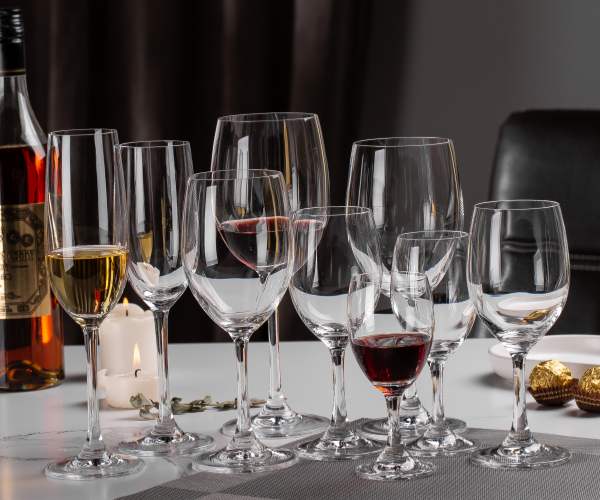
    Crystal glasses have a reputation for making wine taste better. The honest answer is more specific: crystal does not change the chemistry of the wine, but a clear, thin, well-shaped lead-free crystal glass can change how you see, smell and therefore perceive it. For importers, restaurant groups and private-label brands, that distinction matters when you choose which stemware line to stock and how to describe it on packaging. This guide separates what crystal actually does from the marketing claims, explains why modern production uses lead-free crystal, and ends with the specifications worth putting on a purchase order. A range of lead-free crystal stemware and tumblers, from red and white wine glasses to flutes, coupes and highballs Does wine actually taste better in crystal? Not in a chemical sense. Pour the same wine into two clean glasses made of inert glass and the liquid itself is identical. What changes is the sensory experience, and most of what people call "taste" is driven by smell. A glass that delivers aroma clearly, shows the wine's true colour and lets it flow smoothly across the palate can make the same bottle taste more precise and expressive. So the accurate claim is not "crystal makes better wine." It is that a fine, thin, lead-free crystal glass can remove some of the barriers between the wine and the person drinking it. That is a real, defensible benefit for hotels, tasting rooms and premium retail ranges, but it should be presented as an experience upgrade rather than a flavour transformation. What crystal glass actually is Traditional lead crystal added lead oxide to soda-lime glass, which raised the refractive index, made the material easier to cut and gave it extra sparkle and weight. That chemistry is the source of the classic "crystal" look, but it is also why modern food-contact stemware has moved away from lead. Today's lead-free crystal replaces lead oxide with elements such as potassium, barium or zinc to keep a high-clarity, bright finish while meeting food-contact expectations. At XINGHUO, our crystal stemware is produced on a lead-free basis. We hold ISO 9001, ISO 14001 and ISO 45001 certifications for our quality, environmental and occupational-safety management, and we can arrange third-party lead and cadmium migration test reports for specific orders on request. We ask buyers to rely on the test report for their market rather than on a logo alone. A practical note on optics: ordinary clear glass and lead-free crystal sit close together in refractive index, roughly in the 1.52 region. The visible difference between an economy tumbler and a fine crystal glass usually comes from higher raw-material clarity, thinner walls, a fire-polished rim and precise moulding, not from a dramatic refractive gap. Lead-bearing crystal can reach a higher index and show more pronounced sparkle, which is exactly why it is reserved for decorative pieces rather than everyday drinking ware. Three ways a fine glass changes the experience 1. Sight: judging colour and clarity High-clarity, near-colourless glass lets buyers and tasters read the wine's true hue, from pale ruby to deep garnet, without the greenish tint of cheaper soda-lime ware. Thin, even walls also catch light cleanly, which is why crystal photographs so well on a set table or in a restaurant window. Visual presentation is a genuine part of perceived quality. 2. Smell: concentrating aroma Here the bowl shape does most of the work, and crystal simply allows that shape to be made very thin. A wider bowl gives aromas room to open; a narrower opening funnels them toward the nose. This is the single biggest driver of the "tastes better" effect, because aroma accounts for much of what we perceive as flavour. We cover bowl geometry in detail in our guide to how wine glass shape changes taste. 3. Touch and flow: the rim Crystal can be drawn into a thinner wall and finished with a thin, fire-polished, often laser-cut rim. Wine crosses the lip with less of a hard glass edge, so it spreads across the tongue more smoothly and acidity, sweetness and tannin register with less distraction. This is a tactile and flow difference, not a change to the wine, but it is the part users notice most directly. Lead-free crystal vs ordinary soda-lime glass Attribute Lead-free crystal Soda-lime glass Clarity & brightness Very high, near-colourless, crisp light reflection Good, sometimes a faint green tint in economy ware Wall & rim Thin wall, fine fire-polished or cut rim Thicker, rolled rim more common Weight & feel Refined, balanced, can feel light yet solid Heavier for the same thinness, or chunkier Durability Brittle at the rim; handle with care More forgiving in rough service Best fit Fine dining, hotels, tastings, gifting, retail High-volume venues, casual service, outdoors Note that thin crystal is more chip-prone at the rim than toughened soda-lime ware. For high-turnover banqueting, buyers sometimes run a dual range: crystal for the dining room and more robust glass for poolside and events. We cover matching stemware to venue type in our guide to commercial wine glasses for restaurants and hotels. What to specify on a crystal stemware order Specification What to confirm Material Lead-free crystal in writing; do not assume "crystal" means lead-free Migration report Third-party lead and cadmium migration results matched to your market Rim & wall Fire-polished or cut rim; defined wall thickness and rim diameter Capacity & bowl Bowl shape and fill volume matched to red, white or sparkling wine Wash rating Dishwasher durability and whether decoration survives industrial washing Logo placement Etch or fire-on-decal position kept below the lip and away from the hand Packaging Dividers or foam for thin rims; gift-box option for retail and gifting You can browse our crystal glass range, our crystal wine glasses and specific lines such as our 11 oz lead-free vintage crystal wine glasses to compare shapes and capacities. Frequently asked questions Is lead-free crystal better than lead crystal for drinking? For food-contact stemware, yes as a sourcing choice. Lead-free crystal keeps a bright, premium finish while avoiding the lead-migration concern that comes with leaded glass. Lead-bearing crystal is better treated as decorative. Always confirm the lead-free statement and migration test report rather than taking the word "crystal" at face value. Why do expensive wines taste different in a thin glass? Mostly because of aroma delivery and the thin rim. A shaped bowl concentrates the wine's aromas, which drive much of perceived flavour, while a fine rim lets the wine flow smoothly onto the palate. The glass does not alter the wine itself; it simply presents it more clearly. Are crystal wine glasses dishwasher safe? Many lead-free crystal lines are marketed as dishwasher safe, but thin rims and cut or decorated areas are the vulnerable parts. Confirm the wash rating with the factory, use a gentle detergent and avoid overcrowding. For venues running industrial dishwashers, specify the expected wash cycle count before committing to a full order. Should a retail or hospitality buyer pay more for crystal? It depends on the venue and margin. Crystal pays back in fine dining, hotels, wine tastings, gifting and premium retail where presentation and the tasting experience justify the price. For casual, outdoor or very high-volume service, durable soda-lime glass usually offers the better total cost. Many buyers run both rather than standardising on one. Related reading Borosilicate vs regular glass: a heat-resistance buyer's guide What are stemless wine glasses used for? Benefits and buying tips Sourcing glassware from China: five order details that matter Source lead-free crystal stemware from the factory Send us your target bowl shape, capacity, decoration and market, and our export team will quote the matching lead-free crystal line and arrange a third-party lead and cadmium migration report for your order. Email export@xinghuoglass.com or request a quote. Request a Factory Quote S Smith Marketing Department, Jiangsu Xinghuo Technology Co., Ltd. · Feb 24, 2025
  • How to Clean a Crystal Glass Goblet
    How to Clean a Crystal Glass Goblet Dec 20, 2023
    Cloudy glasses, water spots and a dull rim cost a hospitality or retail account more than the price of the glass. A crystal goblet is an easy item to look after, but it rewards a consistent routine: lukewarm water, a mild detergent, a soft cloth and proper drying. This guide covers hand washing, when a dishwasher is acceptable, how to remove red-wine and lipstick marks safely, and how to store goblets so they stay clear for years. For importers and hotel buyers we also flag the one specification that drives most glassware complaints in service: the factory-stated wash durability. It should be agreed before the order, not discovered after the first banquet. Lead-free crystal red wine goblets paired with a swan decanter. Thin-rim stemware keeps its clarity best with gentle, consistent washing Before you wash: gather the right tools A little preparation prevents most chips and scratches. Keep these within reach of the washing area: Lukewarm water. Warm rather than hot, to avoid thermal shock. Never move a cold glass straight into very hot water or hold a hot glass under a cold tap. Mild, non-abrasive detergent. Avoid scouring powders and creams with particles; they micro-scratch the surface, which is what makes old glasses look cloudy. A soft sponge and a lint-free cloth. A long, soft stem brush reaches inside narrow flutes. Skip paper towels and coarse cloths that leave lint or fine scratches. A rubber mat or washing basket. It stops goblets knocking against each other and against the tap. Filtered or distilled water for the final rinse (optional). In hard-water areas it cuts the mineral deposits that dry as white spots. Hand washing a crystal goblet: the routine Hand washing is the safest method for thin-rim, cut or decorated crystal, and it is straightforward once it becomes a habit. Soak stubborn wine stains first. For dried red wine, fill the bowl with lukewarm water and let it stand for a few minutes to soften the deposit before wiping. Do not attack it with a scourer. Wash one glass at a time. Add a little mild detergent to lukewarm water and wipe the bowl with a soft sponge, turning the glass rather than applying pressure. Hold the bowl, not the stem, while washing; the stem is the most vulnerable joint. Clean the stem and foot with a soft brush. A slim brush clears residue from inside flutes and around the base without twisting the stem. Rinse thoroughly. Remove every trace of detergent, ideally with a final filtered-water rinse, because soapy residue dulls the glass and affects the next pour. Dry straight away with a lint-free cloth. Polishing while the glass is still slightly warm prevents water spots. Hold the bowl gently through the cloth and rotate; do not grip the stem and twist the bowl in opposite hands. Can crystal goblets go in the dishwasher? Not a universal yes or no. Older advice says never, but many modern lead-free crystal glasses are rated for machine washing on a gentle or crystal cycle. What damages glass in a dishwasher is the combination of harsh detergent, high heat, crowded racks and glasses rattling together. The honest rule is to follow the rating of the specific line rather than treating "crystal" as one category. If the line is rated dishwasher safe, space the goblets so they do not touch, use a mild detergent without abrasive or strongly caustic additives, choose a low-temperature cycle, and open the door at the end to let steam escape rather than baking the glasses dry. Reserve hand washing for very thin rims, cut or hand-painted pieces, decanters and anything the factory marks as hand wash only. If you source stemware for a hotel running industrial washers, agree an expected wash-cycle count up front; thin crystal is simply not built for the same punishment as toughened soda-lime ware. Narrow champagne flutes are easiest to clean with a long soft stem brush and a thorough final rinse Red-wine stains, cloudiness and lipstick marks Red-wine residue. Rinse soon after use when you can. For a dried stain, soak in lukewarm water with a little mild detergent, then wipe. Avoid the temptation to use bleach; repeated use can leave a dull film and is unnecessary on glass. Cloudy or filmed glass. A light haze is usually hard-water film or detergent build-up rather than damage. A short soak in a solution of warm water and white vinegar, followed by a thorough rinse, often clears it. Etching, by contrast, looks like permanent fine scratches and cannot be reversed, which is why abrasive cleaners should never be used. Lipstick marks on the rim. Wipe with a soft cloth and mild detergent before the glass goes into the wash; lipstick is oily and smears in hot water. Do not scrape the rim with a blade or abrasive pad, which chips and scratches the lip. Drying, storage and things to avoid Store upright on a shelf or hang by the base. Do not rest goblets upside down on the rim for long periods, and never force-stem wine glasses into a stack; the stems and bowls are not made to carry weight. Straight-sided tumblers can nest lightly; stemware cannot. Keep them out of direct sunlight and away from strong kitchen fumes when stored for long periods, and leave space between glasses so they do not clink. Avoid extreme temperature swings. No ice water straight into a warm glass, no hot rinse on a chilled glass. Sudden change, not heat alone, is what cracks glass. Inspect after washing. Pull any glass with a chip, star crack or feathered rim out of service immediately; a damaged rim is both a safety risk and a sign the glass is reaching the end of its life. What this means for a bulk buyer Point to agree Why it matters in service Wash rating Confirm hand-wash only or a stated number of gentle or industrial wash cycles before clouding appears Rim and decoration Fire-on decals and gold rims usually shorten wash life; know this before promising commercial dishwashing Material in writing Lead-free crystal stated on the order, with third-party lead and cadmium migration reports on request Replacement rate Thin crystal chips more readily; budget a realistic top-up volume for high-turnover venues Packaging Dividers or foam protect rims in transit and double as safe storage on arrival For more on choosing stemware by venue, see our guide to commercial wine glasses for restaurants and hotels, and read our notes on what crystal actually changes in the glass. Browse the crystal glass range and crystal wine goblets for current lines. Frequently asked questions How do I remove the cloudy film from crystal glasses? First identify the cause. A removable haze is usually hard-water or detergent film; soak the glass briefly in warm water with white vinegar, then rinse and polish with a lint-free cloth. If the cloudiness looks like fine permanent scratches, it is etching from abrasive cleaning and cannot be reversed, which is why non-abrasive detergent matters from the start. Will the dishwasher ruin crystal wine glasses? It depends on the line. Modern lead-free crystal rated dishwasher safe is fine on a gentle, low-temperature cycle with mild detergent and spaced-out racks. Very thin rims, cut, gold-rimmed or hand-decorated pieces and decanters should be hand washed. Always follow the manufacturer's wash rating rather than assuming all crystal behaves the same. Can I use baking soda or bleach to clean a crystal goblet? Neither is necessary. A mild detergent and a soft sponge handle normal cleaning, and a short vinegar soak handles mineral film. Abrasive powders scratch the surface, while repeated bleach use can leave a dull film. For a dried red-wine stain, a lukewarm soak before wiping is safer and just as effective. How should crystal goblets be stored? Store them upright on a shelf or hang them by the base in a rack, with space between glasses. Do not rest them for long on the rim or stack stemmed goblets, which strains the stem and chips the bowl. Keep them out of prolonged direct sunlight and inspect rims for chips before each service. Related reading What are stemless wine glasses used for? Benefits and buying tips Sourcing glassware from China: five order details that matter Borosilicate vs regular glass: a heat-resistance buyer's guide Order lead-free crystal stemware built for service Tell us your venue type, wash cycle and decoration needs, and our export team will recommend a lead-free crystal line with a clear wash rating and packaging to protect the rims. Third-party lead and cadmium migration reports can be arranged for your market. Email export@xinghuoglass.com or request a quote. Request a Factory Quote S Smith Marketing Department, Jiangsu Xinghuo Technology Co., Ltd. · Dec 20, 2023
  • Glassware Distributor and Agent Partnership
    Glassware Distributor and Agent Partnership Jan 16, 2025
    XINGHUO Glass is expanding its distributor and agency network for drinkware and tableware. We are an OEM/ODM manufacturer with 20+ years of glassmaking experience, focused on two material strengths: high borosilicate glass and lead-free crystal, with soda-lime glass to round out the range. If you import or distribute glassware, run a private-label brand, supply hotels and restaurants, or sell through retail and online channels, we would like to talk about working together. This page explains who the partnership suits, what we can genuinely support, how an order moves from inquiry to delivery, and the terms we are often asked about. We would rather set honest expectations than overstate the opportunity. Glass drinkware spans everyday dining, hospitality and gifting, giving distributors several channels to sell through Who the partnership is for We work best with partners who already understand their local market and channels. The program is open to: Importers and distributors of housewares, drinkware or hospitality supplies with established wholesale customers. Private-label and retail brands that want glassware produced under their own logo, packaging and specification. Hotel, restaurant and catering suppliers buying durable, consistent stemware and tumblers in volume. Gift, promotional and online-channel sellers looking for custom shapes, decoration and gift packaging. Regional agents able to develop a defined market using their own sales channels and customer relationships. Why partners choose XINGHUO These are the points we can stand behind, not marketing superlatives: Two core materials. High borosilicate glass for heat-resistant ware and lead-free crystal for premium stemware, plus soda-lime glass for everyday and high-volume lines. You can read more about our position on our quality and compliance page. Verified management systems. We hold ISO 9001, ISO 14001 and ISO 45001 certifications. For specific markets we can arrange third-party lead and cadmium migration test reports; we ask partners to rely on the report for their market rather than on a logo. OEM/ODM customisation. Shape, capacity, colour, finish, fired-on decal, etching and packaging can be developed to your brief, produced under your brand rather than any in-house retail label. Integrated production and decoration. Manufacturing, processing and finishing are handled in the same supply chain, which helps with consistency and lead-time control. A broad, multi-category catalogue. Wine and barware, tumblers and cups, storage jars and food containers, teaware and more, so a partner can consolidate several product groups in one shipment. Ways to work with us Model Typical partner What we provide Distribution Importers, wholesalers, regional agents Catalogue supply, volume pricing, product and image support Private label / OEM Retail and online brands Custom logo, colour, decal and branded packaging ODM / custom mould Brands with an exclusive design New-mould development from brief or drawing to sample Project supply Hotel, restaurant and catering suppliers Consistent batches, wash-rated ware, bulk-safe packing Commercial terms, including minimum order quantities and any volume rebates, are agreed per partner and product rather than promised up front. Browse the full product catalogue, including crystal glass, borosilicate glass and glass storage jars. How an order and partnership starts 1. Inquiry. Tell us your market, target products, quantities and whether you need OEM or ODM. One English-speaking contact handles your account from the first email. 2. Quotation and samples. We quote against a clear specification and can send samples so you can assess clarity, weight and finish before committing. 3. Custom development. For private-label or new-mould projects we confirm drawings, decoration and packaging and produce a pre-production sample for sign-off. 4. Production and inspection. Goods are made to the approved sample, with AQL-based inspection and checks on critical dimensions and decoration. 5. Packing and delivery. Export-safe packaging is chosen around the product, and we work to agreed, realistic lead times rather than optimistic dates. For the details that make or break a China order, see our sourcing guide. Frequently asked questions Do you offer exclusive distribution in a country or region? Exclusivity is not granted automatically. It is discussed case by case and usually linked to realistic volume commitments, channel strength and a defined territory. We are happy to outline what level of commitment would support an exclusive arrangement for your market. What is the minimum order quantity for a branded order? It depends on the product and decoration. Standard items with a logo or fired-on decal have a lower threshold, while a new custom mould needs a higher volume to be worthwhile. Send us the item and quantity and we will confirm the MOQ and unit price against your brief. Can goods be produced under our own brand and packaging? Yes. We are a pure OEM/ODM manufacturer and do not push an in-house retail label onto partners. Logo, colour, decal, etching, gift box and carton marking can all follow your brand guidelines, subject to confirming that any artwork you supply is yours to use. Do you provide test reports and compliance documents? Our ISO 9001, ISO 14001 and ISO 45001 certificates are available on request, and we can arrange third-party lead and cadmium migration testing matched to your market. We do not claim certifications we cannot produce; if your market needs a specific food-contact report, tell us the destination and standard when you inquire. Related reading Glass cup market trends 2026: a buyer's guide Sourcing glassware from China: five order details that matter Commercial wine glasses for restaurants and hotels Become a XINGHUO glassware distributor or agent Tell us your market, channels and the product groups you want to carry, and our export team will come back with a realistic proposal on models, MOQ, samples and commercial terms. Email export@xinghuoglass.com or request a quote. Request a Factory Quote S Smith Marketing Department, Jiangsu Xinghuo Technology Co., Ltd. · Jan 16, 2025
  • How a Glass Cup Is Made
    How a Glass Cup Is Made Aug 21, 2024
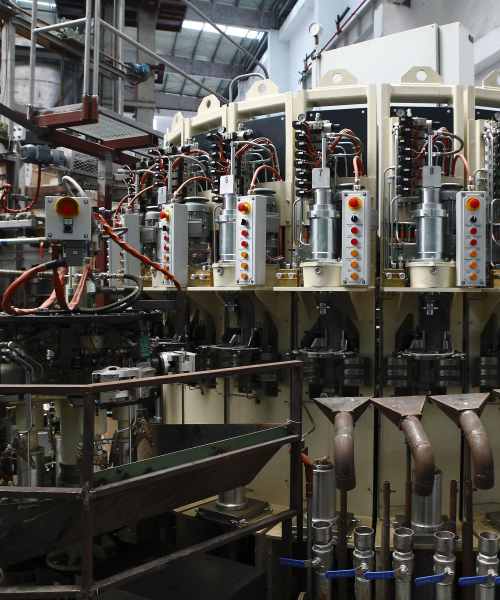
    A glass cup looks simple, but it passes through a tightly controlled sequence before it reaches the table: raw materials are weighed and mixed, melted at high temperature, formed by blowing or pressing, annealed to remove internal stress, inspected, decorated and packed. Understanding this process helps importers and brands ask the right questions, because clarity, consistency, heat resistance and durability are decided on the factory floor, not in the catalogue. This guide walks through how a glass cup is actually made and ends with the manufacturing details worth confirming on a purchase order, from material composition to inspection standard and food-contact reports. An automatic rotary forming line on the XINGHUO workshop floor, monitored by a production technician Step 1: Raw materials and the batch Glass begins with a measured recipe, called the batch. The backbone of most drinkware is silica sand (silicon dioxide). It is combined with soda ash to lower the melting temperature and limestone for chemical durability, plus small amounts of clarifying and colour-adjusting agents. A clarifier such as sulphate helps bubbles rise out of the melt, which is how the glass ends up clear rather than seed-filled. Accurate proportioning is essential, because the recipe sets the physical and chemical properties of the finished cup. Too much of one component can reduce durability or alter the working temperature. The composition also differs by product family: everyday soda-lime glass uses the classic sand, soda ash and limestone mix, while heat-resistant borosilicate glass introduces boron oxide (roughly 13% B₂O₃ in high-borosilicate ware) for a much lower thermal-expansion coefficient, and lead-free crystal uses alternative additives for extra clarity and a fine finish. You can compare how these behave in our borosilicate versus regular glass guide. Step 2: Melting and refining The mixed batch is fed into a furnace and melted at high temperature, typically in the region of 1,400 to 1,550 °C depending on the composition. The molten glass is held long enough to become homogeneous and for bubbles and imperfections to be removed, a stage known as refining. Consistent furnace temperature and residence time matter: they are what keep colour, clarity and viscosity stable across a long production run, which in turn keeps every cup dimensionally consistent. Step 3: Forming the cup A gob of molten glass is cut and delivered to a metal mould, where it is shaped by one of three main methods: Blowing. Air inflates the gob inside a mould. It can be hand-blown by skilled workers for limited or artisanal pieces, or machine-blown on automated lines for high-volume stemware and bowls. Most fine wine glasses are blown because the process allows a thin, even wall. Pressing. A plunger forces the glass into a mould, which is fast and well suited to thick-walled, straight-sided tumblers, bowls and simple standardised shapes where consistency is the priority. Tubing and conversion. Glass is drawn into tubes and then cut and reworked into cylindrical and tubular items such as vials and some straight-sided ware. Complex three-dimensional bowls are not produced by drawing; they are blown or pressed and may then receive secondary finishing. After forming, rims are often fire-polished for a smooth, thin lip, and stems or bases are welded and annealed on stemware. This is also the stage at which colour can be introduced, either body-tinted in the melt or applied as a surface coating. Hot glass gobs being blown into moulds on an automated production line Step 4: Annealing Freshly formed glass is hot and carries internal stress. It passes through an annealing lehr, where it is slowly cooled along a controlled temperature curve rather than chilled quickly. Proper annealing releases that stress and prevents the spontaneous cracking or easy breakage that occurs when a cup leaves the line under tension. This step is easy to overlook but is central to heat-shock resistance and long service life, especially for borosilicate and thin crystal ware. Step 5: Inspection and testing Quality control runs through the process rather than happening only at the end. Trained inspectors check for visual defects such as stones, seeds, cracks and uneven rims, and key dimensions are measured to keep the mould within tolerance. In commercial production, batches are assessed under an agreed AQL sampling plan, with critical dimensions and safety-related defects controlled more tightly, rather than relying on a vague promise that every single piece is individually examined. Samples are also put through thermal-shock and mechanical-stress checks appropriate to the item, to confirm it survives normal service rather than to suggest glass is unbreakable. Before packing, pieces are cleaned to remove dust and handling marks. For food-contact orders we hold ISO 9001, ISO 14001 and ISO 45001 certifications and can arrange third-party lead and cadmium migration test reports for the destination market; we recommend buyers rely on the report, not a logo. More detail is on our quality control and QA process pages. Step 6: Decoration and finishing Once a cup passes inspection it can be decorated. Common options include fired-on ceramic decals that survive repeated washing, full-colour digital printing for seasonal designs, etching, frosting and sprayed or electroplated effects. The decoration method affects both the look and the wash life of the glass, so it should be chosen with the sales channel and care instructions in mind, and any logo should be positioned below the lip and away from where the hand grips. You can browse the finished product catalogue and our borosilicate range to see the results. Recycling and environmental points, stated plainly Glass is a genuinely recyclable material and can be re-melted as cullet in production, and glass drinkware is reusable for a long service life. At a manufacturer level we manage our environmental systems under ISO 14001. What we do not do is publish recycling percentages, energy-saving figures or furnace claims that we cannot substantiate for a specific line; buyers who need environmental documentation for their market should ask for the specific certificate rather than accept a generic green label. Our compliance position is summarised on the quality and compliance page. What a buyer should confirm about the process Detail What to ask for Material Soda-lime, borosilicate or lead-free crystal stated in writing, with composition where relevant Forming method Blown, pressed or tubing-based, matched to the wall thickness and shape you need Annealing Controlled lehr annealing and a stated thermal-shock rating Inspection Agreed AQL level, critical-dimension checks and defect definitions Food contact Third-party lead and cadmium migration report matched to your market Decoration Process, logo position and confirmed wash durability For the order-level checks that sit around manufacturing, from packaging to communication and lead times, see our sourcing glassware from China guide. Frequently asked questions What is the difference between blown and pressed glass cups? Blown glass is inflated in a mould and can be made with a thin, even wall, which suits wine glasses and fine bowls; it is made by hand or on automated lines. Pressed glass is forced into a mould by a plunger, which is faster and better for thick-walled, straight-sided tumblers and simple shapes. The method is chosen to suit the design, not the other way around. Why is annealing important? Formed glass leaves the mould hot and under internal stress. Slow cooling in an annealing lehr releases that stress; without it, cups can crack spontaneously or fail under modest temperature change. Good annealing is one of the main reasons a glass survives hot and cold drinks without breaking. At what temperature is glass melted? Most drinkware batches melt in the region of 1,400 to 1,550 °C, with the exact temperature depending on the composition. Soda-lime and borosilicate recipes have different working ranges, which is one reason consistent furnace control matters for batch-to-batch quality. How is quality checked on a bulk glass order? Visual defects and critical dimensions are checked through production, and finished batches are assessed under an agreed AQL sampling plan, with thermal-shock and stress testing on samples and third-party lead and cadmium migration reports available for food-contact orders. Agree the AQL level and defect definitions before production rather than after inspection. Related reading XINGHUO glass quality control process How a B2B glassware supplier runs QA Borosilicate vs regular glass: a heat-resistance guide Order glass cups made to your specification Send us your material, shape, capacity, decoration and target market, and our export team will recommend the right forming process, agree the inspection standard and arrange the food-contact reports you need. Email export@xinghuoglass.com or request a quote. Request a Factory Quote S Smith Marketing Department, Jiangsu Xinghuo Technology Co., Ltd. · Aug 21, 2024
1 2 3 4 5
A total of5pages

Email Awesomeness!

Subscribe

Xml Privacy Policy Blog Sitemap

Copyright © 2026 Jiangsu Xinghuo Technology Co., Ltd. All Rights Reserved. Network Supported

Leave A Message

Leave A Message
If you are interested in XINGHUO Glass products or need more details, please leave a message below. Our sales team will respond within 24 hours.
Submit

Home

Products

whatsApp

contact