ENEN ARAR
xinghuo-glass-blog-insights-industry-trends-banner
Home

Blog

Blog

  • Top Glassware Trends for 2026: Colors, Textures, and Designs Shaping Modern Drinkware
    Top Glassware Trends for 2026: Colors, Textures, and Designs Shaping Modern Drinkware Mar 16, 2026
    S Smith Marketing Department, Jiangsu Xinghuo Technology Co., Ltd. · Mar 16, 2026 Drinkware is being bought as much for how it looks and feels as for what it holds. For 2026 the demand coming back to our factory clusters around three things in the glass itself — colour, texture and more expressive shapes — rather than decoration added afterwards. This guide looks at what is actually being specified for retail, café and hospitality ranges, how each effect is made in production, and how to turn a trend into a clear OEM brief without paying for effects you do not need. Vertical-rib texture across cocktail, whiskey and decanter pieces in a single coordinated range Colour moves into the glass itself Tinted and solid-colour glass has been one of the strongest requests, led by lifestyle retail and hospitality photo-led ranges. The recurring palette is muted rather than neon — ocean blue, amber, smoke grey and emerald green work across both minimal and richer interiors. The production detail matters for buyers, because "coloured glass" is made two very different ways: Body-tinted (colour fused into the glass). The colourant is part of the batch, so the colour runs through the whole wall, will not chip or wear off, and survives commercial dishwashing. This is the durable option for restaurants and cafés. Surface-coated (sprayed or plated). A coating on clear glass gives a wider colour range and metallic effects at lower volume, but it needs careful handling and the right curing to resist abrasion. Confirm wash expectations before choosing it. Body-tinted colour is the route we recommend for everyday durable ranges; we cover how it is specified and boxed in our notes on solid-colour tumblers for retail gift sets. Texture is the premium signal Vertical ribbing, fluting, wave patterns and sculpted surfaces have become a signature of current drinkware. Texture does two jobs at once: it gives the hand more grip and it catches light, which makes a glass read as considered and crafted rather than commodity. Again, there are two ways to reach it, with different cost and durability: Moulded texture. Ribs, waves and facets are formed in the mould and are part of the glass for life — permanent, dishwasher-safe and ideal for high-turnover venues. Applied finish. Frosting (acid or sand), colour spray and metallic or gold rims add surface effects on top of a smooth glass; our custom finishing services cover these plus etching and embossing. A moulded wavy or frosted tumbler is a practical entry point — see our 300 ml wavy frosted hospitality tumbler — and the same texture language carries naturally across water, cocktail and specialty-coffee glasses so a range looks intentional on a shelf or table. Sculptural and irregular forms Twisted bodies, asymmetric rims and organic silhouettes are growing for whiskey, cocktail and premium non-alcoholic serves, where the glass functions closer to a piece of tabletop design. Boutique hotels and high-end restaurants use one distinctive shape as a signature piece rather than reworking an entire set. For sourcing, sculptural shapes are a mould investment rather than a finishing cost, so they make most sense as a hero SKU in a larger standard range. Complex curves also change stackability, wall consistency and reject rates, which is worth raising at sampling rather than after tooling. Safer, reusable glass stays the baseline Beneath the visual trends, the steady expectation from buyers is safety and reusability rather than novelty. Glass is reusable and recyclable by nature, and a durable soda-lime piece that survives repeated service is genuinely the more sustainable choice versus single-use alternatives — without needing unprovable production claims. What we can stand behind is concrete: lead-free, food-contact-formulated soda-lime glass, durability built for commercial washing, and third-party lead and cadmium release testing arranged for the specific item and market. We do not quote recycled-content percentages or energy-saving figures we cannot document; the honest case for glass is longevity and reusability, and how the materials compare is laid out in our glass material comparison. Designed around modern beverage culture The shapes follow the drinks people now make at home and order out. The categories showing up most often in 2026 briefs are: whiskey and old-fashioned tumblers, often weighted and textured; highball and Collins glasses for long serves and spritzes; iced-coffee and specialty-coffee cups, frequently with colour or a frosted finish; multi-purpose water tumblers that carry a whole table setting; coupe, martini and ribbed cocktail glassware for home mixology and premium non-alcoholic serves. Buyers increasingly spec these as one coordinated family — shared texture or colour across water, coffee and cocktail — rather than unrelated singles. Turning the trends into an OEM brief Look you want How it is made Best fit / note Solid muted colour Body-tinted batch Durable, dishwasher-safe daily ranges. Metallic / vivid colour Spray or plate coating Gift and display; agree wash method. Rib / wave / facet Moulded texture Permanent grip; hospitality-ready. Soft matte / gold rim Frosting, spray, edge finish Premium and gift editions. Sculptural hero piece Custom mould One signature SKU in a standard family. Specify Pantone references where possible, confirm a finished sample on the actual item (glass tint shifts how a coating reads), and align packaging early — coloured and textured ranges often sell as coordinated gift sets. Our documented quality position is summarised on the quality and compliance page. Frequently Asked Questions Is body-tinted coloured glass dishwasher safe? Yes. When the colour is fused into the glass batch it runs through the wall and cannot peel, chip or wash off, so it withstands commercial dishwashing far better than a sprayed coating. A surface coating can still be durable, but the cleaning method should be agreed before you commit. Are textured and ribbed glasses harder to clean? Moulded ribs and waves are part of the glass and clean normally in commercial washing. Very deep or sharp-cut texture can trap residue in its grooves, so we keep the texture profile practical for hospitality and validate it on a sample rather than pushing detail to the extreme. Do you use recycled or lead-free glass for these ranges? Our drinkware is made from lead-free, food-contact glass and is reusable and recyclable. We do not publish recycled-content percentages we cannot verify batch to batch. What we can provide is documented third-party lead and cadmium release testing for the specific item and destination market, rather than a blanket green claim. Can you develop a custom coloured or textured range for our brand? Yes. We produce OEM/ODM body-tinted colours, moulded textures and applied finishes across tumblers, cocktail and coffee glassware, with Pantone matching, logo treatment and coordinated gift or export packing. Send us the look, target market and quantities and we will recommend the most cost-effective way to achieve it, then make a finished sample for approval. Related Reading Solid-colour tumblers for retail gift box sets Soda-lime vs crystal vs borosilicate glass Custom decal trends for food glass containers Developing a 2026 coloured or textured range? Send us the colours, textures and shapes you have in mind, with your market and quantities. We will recommend body tint versus coating, moulded texture versus applied finish, quote with lead time, and arrange a finished sample and third-party food-contact reports on request. Request a Factory Quote Or email export@xinghuoglass.com with your brief.
  • Glass Storage Jars for the Argentine Market: A Buyer's Guide
    Glass Storage Jars for the Argentine Market: A Buyer's Guide Mar 11, 2026
    S Smith Marketing Department, Jiangsu Xinghuo Technology Co., Ltd. · Mar 11, 2026 Glass storage jars sell steadily in Argentina for kitchen and pantry use — dry goods, yerba mate, sugar, pasta, preserves and spices. For distributors and retail brands sourcing from China, the decisions that actually separate a reliable range from a return-priced one are the seal, the food-contact safety of glass and gasket, and how the goods survive a long sea journey. This is a practical sourcing brief: what to specify, how to verify it, and what a manufacturer can honestly document. Threaded and clip-lid glass jars used for beans, pasta and dry goods in a home pantry Start with the seal, not the shape For dry and preserved foods, an airtight, moisture-resistant closure is the single feature customers judge by. A decorative jar that lets humidity in loses the repurchase, so buyers should specify the closure in detail rather than accepting "sealed" as a general claim: A food-contact gasket. A silicone or rubber ring between lid and glass is what does the actual sealing. Confirm the gasket material and that it is suitable for food contact, rather than an unspecified foam. A positive closure. Screw threads, a clamp (bail) or a locking lid hold the gasket under even pressure. Clamp and screw lids are both common for pantry jars; the key is a consistent fit mouth to mouth. Replaceable parts. Gaskets that can be swapped extend the product's life and give a retailer fewer warranty issues years after sale. Our clip-lid glass storage jars with a metal clamp and gasket are built around this seal-first approach for herbs, pickles and dry goods. Food-contact safety: ask for evidence, not a logo Food-contact glass is regulated by destination market, and requirements for Argentina and the wider Mercosur region should be confirmed with your importer or a qualified local advisor rather than assumed from a supplier brochure. The most useful thing a factory can give you is testable evidence for the specific item, not a wall of certification logos. What we can actually provide is clear: lead-free, food-contact-formulated glass, with lead and cadmium release testing arranged through an independent third-party laboratory for the exact item and order; food-contact documentation for lid gaskets and any plastic or metal components, not just the glass; our independently audited management systems — ISO 9001 (quality), ISO 14001 (environment) and ISO 45001 (occupational health), shown on our quality and compliance page. We deliberately do not claim an ISO 22000 certificate or market-specific approvals we do not hold. A supplier who promises every certification on request is a reason to verify the documents; a third-party test report against the relevant food-contact standard is what genuinely supports customs and retail compliance. Choosing the glass for the product Most pantry jars are soda-lime glass, which is clear, low cost and fully adequate for ambient dry-goods storage. Two other options suit specific lines: Borosilicate offers higher thermal-shock resistance for jars that will see hot filling, sterilising or wide temperature swings — useful for preserves and canning lines, at a higher cost. Thicker, heavier soda-lime bases give a premium feel and better stacking strength without moving to borosilicate. How the materials compare on heat, clarity, weight and price is covered in our glass material comparison, and our broader glass jar and canister range shows the standard capacities and lid types available. Smaller 270 ml jars with bamboo lids suit tea, coffee, sugar and nut gift sets. Surviving the sea journey to Argentina Freight from China to Argentina is long and includes inland legs, port handling and humid conditions. Breakage and lid corrosion are the two recurring failures, and both are controllable at the packing and specification stage: Dividers and cushioning. Each jar separated, with adequate headspace, so glass-on-glass contact cannot start cracks in transit. Lid finish. Specify rust-resistant metal clips and lids for humid sea freight; plated or stainless hardware prevents the orange spotting that shows up weeks after arrival. Carton and pallet testing. Simulated drop and stacking checks before the first container confirm a pack-out rather than discovering it on a damaged delivery. Labelling and barcodes. Spanish-language retail labels, capacity and origin marks can be applied to cartons or individual pieces in line with your channel; confirm artwork timing before production. A sourcing checklist for Argentine buyers Item What to confirm Closure Silicone/rubber food-contact gasket plus screw or clamp lock; replaceable gasket. Glass Lead-free soda-lime for pantry use; borosilicate only where hot filling needs it. Compliance Third-party lead/cadmium report for the exact item; gasket and lid documentation. Hardware Rust-resistant clips and lids rated for humid sea freight. Packing Dividers, drop/stack test, pallet spec, Spanish labels and barcode placement. Send this checklist with your enquiry and a competent factory will answer line by line; vague reassurance without reports is the signal to keep looking. Frequently Asked Questions What glass material should pantry storage jars use? Lead-free soda-lime glass is the standard and best value for ambient dry goods. Choose borosilicate for lines that need hot filling, sterilising or higher thermal-shock resistance. We produce both, as well as thicker-walled soda-lime for a heavier, premium feel. Can you customise jars for the Argentine market? Yes. We customise capacity, jar shape, lid type (screw, clamp, bamboo or metal), gasket, logo and retail or gift packaging, and can prepare Spanish-language labels and barcodes. Share your target range, channel and quantities and we will recommend the most cost-effective specification. How do you protect glass jars in transit to Argentina? Jars are separated with dividers and cushioning to prevent glass-on-glass contact, packed to a defined export carton and pallet spec, and validated with simulated drop and stacking tests. We also specify rust-resistant metal hardware so lids survive humid sea freight without spotting. What compliance documents can you provide? We provide independent third-party lead and cadmium release test reports for the specific item and order, food-contact documentation for gaskets and lid components, and our ISO 9001, 14001 and 45001 management-system certificates. We do not claim ISO 22000 or market-specific approvals we do not hold; confirm exact Mercosur and Argentine import requirements with your importer, and we will supply the test evidence those requirements call for. Related Reading Glass jars and canisters range Soda-lime vs crystal vs borosilicate glass Custom decoration for food glass containers Sourcing glass storage jars for Argentina? Send us your capacities, lid types, quantities and destination. We will recommend material and closure, quote with lead time, plan export packing for the sea journey, and arrange third-party food-contact test reports for the exact items. Request a Factory Quote Or email export@xinghuoglass.com with your brief.
  • Borosilicate Glass Food Containers: A Buyer's Guide
    Borosilicate Glass Food Containers: A Buyer's Guide Mar 09, 2026
    S Smith Marketing Department, Jiangsu Xinghuo Technology Co., Ltd. · Mar 09, 2026 Borosilicate glass has become the default upgrade for reusable food containers, and for good reason: it handles hot and cold, does not retain odours or stains, and gives a retail or hospitality range a genuinely premium feel. This guide explains what borosilicate does and does not promise, how to read temperature and food-contact claims honestly, and how to specify a custom container line — using our lemon-decorated seven-size series as a worked example for distributors, brands and hotel suppliers. The lemon-decorated borosilicate container series with silicone-gasket clip-lock lids, shown in three of seven capacities Why borosilicate for food containers Borosilicate glass includes boron trioxide, which gives it a low coefficient of thermal expansion. In practical terms that means it copes with sudden temperature changes far better than ordinary soda-lime glass and is less likely to crack when a cold container goes into a heated appliance. It is also chemically inert, so it will not react with acidic or strongly flavoured food, and it resists the staining and odour pickup that affects plastic. Thermal-shock resistance. Our borosilicate containers are rated for a thermal-shock change in the region of 120 °C, comfortably covering normal refrigeration, freezing, reheating and serving use. Durable and reusable. A thickened wall and reinforced rim stand up to daily catering cycles, and glass does not warp or discolour over years of washing. Neutral and easy to clean. No taste transfer, no scratch-harbouring surface, and dishwasher safe for the glass body. How borosilicate compares with soda-lime and lead-free crystal on heat, clarity, weight and price is set out in our glass material comparison. Reading the specifications honestly "Heat resistant" and "microwave safe" are used loosely online, so buyers should separate what the glass can do from what the lid can do, and ask for evidence rather than a logo: Glass versus lid. The borosilicate body is suitable for microwave, oven, freezer and dishwasher use within its rated range. The clip-lock lid is plastic with a silicone gasket and is generally not oven-safe; it is normally removed or loosened for microwave reheating and washed on the top rack. State this clearly on packaging to avoid returns. Avoid thermal extremes in use. Thermal-shock rating covers normal temperature swings, not a frozen dish straight under a grill or onto a direct flame. Recommend thawing or moderate reheating rather than marketing an "anything goes" claim. Food contact on paper. Our glass is lead-free and formulated for food contact, and we arrange independent third-party lead and cadmium release testing for the specific item and market. We describe products as designed and tested to food-contact requirements rather than displaying a market "certification" we do not hold — request the actual report for your destination. The same evidence-based position applies across our range; see the quality and compliance page for our ISO 9001, 14001 and 45001 systems. A coordinated seven-size range The lemon series runs across seven capacities — 360, 500, 650, 800, 1000, 1200 and 1500 ml — so a retailer can merchandise one design from snack portions through to family and banquet catering, and the rectangular shapes stack efficiently on shelf and in the fridge. In practice the mid-size 500 ml and 800 ml pieces draw the broadest repeat demand for office lunches, salads and single-serve meals; 360 ml suits desserts, dips and children's portions, while 1500 ml covers family-style takeaway, batch cooking and hotel back-of-house. We recommend buyers open with the mid sizes as volume SKUs and add the two ends for a complete set rather than stocking all seven evenly from day one. A clear borosilicate container with a secure clip lid shows the same body and closure without decoration for buyers who want a plain range, and stackable airtight-lid containers are available for bulk and export assortments. The seal is what customers judge Each container closes with a food-grade silicone ring held under even pressure by a four-point clip-lock lid. That combination is what makes the box genuinely leak-resistant for soups, sauces and dressed dishes in a lunch bag, rather than merely a snug-fitting lid. Two details protect the warranty: the gasket should be removable for cleaning and replaceable if it perishes, and the clip hinges should be flexible rather than brittle so they survive repeated opening. We specify both on production samples and recommend buyers test the seal with an inverted liquid sample before approving a range. Customising a container line for your brand The lemon pattern itself was a co-development with a customer and is applied as a high-temperature-fired decoration, so the artwork bonds to the glass and does not wash or scratch off in the way a label can. Beyond the example pattern, OEM/ODM buyers can specify: custom artwork, colourways and fired-on or printed decoration, with a finished sample on the actual glass before tooling or mass production; capacity combinations and set assortments, including gift-boxed multi-size sets with dividers; lid colour, logo marking and private-label packaging, including retail barcodes and multilingual care instructions; export carton and pallet specification, with drop and stacking checks for long sea freight. You can find more on the underlying material on the borosilicate glass page, and our decoration options are summarised under custom finishing services. Frequently Asked Questions Are borosilicate food containers microwave and oven safe? The glass body is suitable for microwave and oven use within its rated temperature range and for freezer and dishwasher use. The clip-lock plastic lid is not oven-safe and should be removed or loosened for reheating and washed on the top rack. We avoid "freezer straight to heat" marketing because extreme thermal shock can still damage any glass. What sizes are available and which sell best? The series runs from 360 to 1500 ml in seven capacities. The 500 ml and 800 ml mid sizes see the broadest repeat demand for lunches and salads, the 360 ml suits snacks and dips, and the 1500 ml suits family and catering use. Most buyers launch the mid sizes first and extend to the full set. Do the containers leak, and is the gasket replaceable? The food-grade silicone gasket and four-point clip-lock lid are designed to be leak-resistant for soups and sauces, and we recommend an inverted liquid test at the sample stage. The gasket is removable for cleaning and can be replaced, extending the product's service life. Can you provide food-contact test reports and custom decoration? Yes. We supply independent third-party lead and cadmium release reports for the specific item and destination, along with our ISO 9001, 14001 and 45001 certificates. We also customise fired-on decoration, capacity sets, lid colour and private-label packaging, with a pre-production sample for approval. Related Reading Soda-lime vs crystal vs borosilicate glass Custom decal trends for food containers Quality and compliance Building a custom borosilicate container range? Send us your target capacities, artwork, lid preferences and quantities. We will recommend a size assortment and decoration route, quote with lead time and export packing, and arrange a finished sample plus third-party food-contact reports on request. Request a Factory Quote Or email export@xinghuoglass.com with your brief.
  • Sourcing Glassware from China: 5 Details That Make or Break Your Order
    Sourcing Glassware from China: 5 Details That Make or Break Your Order Mar 06, 2026
    S Smith Marketing Department, Jiangsu Xinghuo Technology Co., Ltd. · Mar 06, 2026 Sourcing household glassware from China gives buyers a wide product range, competitive pricing and deep manufacturing experience. The gap between a smooth first order and a costly one is rarely the unit price — it is a handful of details that tend to be agreed too loosely, or not at all. After years of supplying distributors, brands and chain retailers across crystal, borosilicate and soda-lime lines, these are the five points we see make or break an order, and how to specify each one before production starts. 1. Batch consistency: do not rely on the reference sample alone A hand-finished reference sample is almost always close to perfect, but bulk production can drift in wall thickness, weight, tint and finish — especially across repeat orders made months apart. For e-commerce sellers and chain retailers, even small variation shows up in reviews and on the shelf. The fix is to make quality measurable before production, rather than arguing about it afterwards: agree written specifications — Pantone or colour references, thickness and weight tolerances, rim and capacity limits — signed off before tooling or mass production; approve a sealed pre-production sample drawn from the actual process, not a one-off showpiece; define an inspection standard (such as an AQL level) for random in-line checks, with full inspection on the critical dimensions you care most about. 2. Packaging: decide it for your route, not the default Packaging is often left as "factory standard", yet carton strength, internal dividers, cushioning and how pieces stack are what determine breakage over a long sea journey. When damage arrives it is hard to attribute, and the cost tends to land on the buyer. Packaging choices from bulk egg packs to polyfoam mailers and premium gift boxes match the pack to the route — reinforced export cartons with dividers and EPE or equivalent cushioning for sea freight, lighter packs only where the journey is short; specify retail-ready packs separately (window, colour or gift box) from the transport outer, and confirm barcode and labelling placement; ask for a drop and stacking test on the agreed pack-out, and put the acceptable breakage allowance in writing — our custom packaging service builds the pack around your channel. 3. Communication: slow answers miss sales windows More projects slip on slow, fragmented communication than on price. Time-zone lag, language and details passing through several people can push a seasonal order past its selling window. The practical structure to ask for is simple: one named account contact who owns the order end to end and responds in clear written English within a stated working-day window; order updates kept in one place — production, inspection photos and shipping status — rather than scattered across chats; a short, written approval flow for customisations such as logo and colour, so each change is confirmed once rather than revisited repeatedly. 4. Supply stability: a low price is worthless without replenishment The cheapest quote can hide ageing moulds, thin capacity or a factory that relies on outside steps it does not control. For buyers who need repeat inventory, evaluate the supplier's actual operation rather than the first price: confirm which steps are done in-house — mould making, forming and finishing under one roof gives far more control over lead time than a trader assembling outside workshops; ask how repeat orders keep the same mould, colour and spec, and what lead time applies to a reorder of an approved item; where volume justifies it, agree a rolling forecast and a framework for repeat orders rather than renegotiating from scratch each time. Our lead-free crystal, borosilicate and soda-lime lines run with mould-to-packing control on site, which is what keeps repeat orders consistent. 5. After-sales: agree the rules before a problem appears Breakage and minor colour variation are inherent to glass, so the questions that cause disputes — what breakage rate is acceptable, what colour deviation is within tolerance, how replacements or credit are handled — should be settled in the order contract, not raised after delivery. set tolerances by product type (for example, tighter limits for premium crystal than for thin everyday soda-lime); state how a valid claim is evidenced (photos and counts against the inspection report) and which remedy applies — replacement, partial credit or refund — for defects that are genuinely ours; confirm a response and resolution timeline so a claim cannot stall a sales season. We document these terms and the standards behind them up front; our management systems and testing position are summarised on the quality and compliance page. A pre-order checklist Detail Agree in writing Consistency Specs, tolerances, sealed sample, AQL inspection. Packaging Route-specific carton/dividers, drop test, breakage allowance. Communication One account owner, one update channel, written approvals. Supply In-house steps, reorder lead time, rolling forecast. After-sales Tolerances, evidence, remedy and response timeline. Frequently Asked Questions How do I make sure repeat orders look identical? Sign off written specifications and a sealed pre-production sample, keep the same mould and colour reference, and reorder against that approved spec. We hold the tooling and records for approved items so later batches are produced to the same standard rather than rematched from a photo. What breakage rate should I expect and who pays for it? A small allowance is normal for glass even with good packing, which is why the figure and the packaging standard should be agreed in the contract. Damage above the allowance that traces to our production or packing is handled by replacement, partial credit or refund as agreed; route-specific export packing and a drop test keep the rate low in the first place. Do you provide inspection and food-contact documents? Yes. We support AQL-based in-line and pre-shipment inspection with photo or video evidence, and arrange independent third-party lead and cadmium release testing for the specific item and market. Our ISO 9001, 14001 and 45001 certificates are available; we do not claim market approvals we do not hold. Can you hold stock or guarantee repeat lead times? We do not quote blanket "fixed price" or unlimited stock promises we cannot keep. What we do is agree a realistic reorder lead time for approved items and, where volume supports it, a rolling forecast or scheduled production so repeat inventory is planned rather than rushed. Ask us for the lead time on your specific item and quantities. Related Reading Why XINGHUO is a manufacturer you can rely on Custom and export packaging options Quality and compliance Plan a glassware order without the pitfalls Send us your product, quantities and destination and we will reply with written specifications, an inspection standard, route-specific packaging and a clear lead time — the details agreed before production, not after delivery. Request a Factory Quote Or email export@xinghuoglass.com with your brief.
  • Glass Cup Market Trends in 2026
    Glass Cup Market Trends in 2026 Jan 20, 2026
    S Smith Marketing Department, Jiangsu Xinghuo Technology Co., Ltd. · Jan 20, 2026 Buyers planning a 2026 glass cup range are asking a more practical question than "what is fashionable?" — they want to know which cup categories will actually reorder, and how to build a range rather than a set of unrelated singles. This guide looks at the demand side of the glass cup market: the colour and texture movement, the hot-drink and double-wall opportunity, lighter multifunctional cups, and coordinated sets, with the honest sustainability position and a category mix you can take straight into a sourcing brief. Body-tinted, vertically ribbed tumblers — colour and texture combined in an everyday cup Colour and texture move into the everyday cup The clearest shift on the demand side is that coloured and textured cups are no longer reserved for gift or bar ranges — they now sell as everyday water and juice tumblers for the home. Amber, smoke green, cobalt blue and soft pastels, usually with vertical ribbing or fluting, photograph well and give a table a coordinated look, which fits the way lifestyle retail now merchandises drinkware. For production, the durable version is colour fused into the glass and texture formed in the mould, so neither washes nor wears off. A solid-colour, textured glass cup for restaurants and bars is a strong opening SKU, and embossed coloured stemware extends the same look for events. The detail of how each colour and texture effect is made — body tint versus coating, moulded versus applied — is covered in our 2026 glassware design trends guide. Hot drinks keep driving double-wall and borosilicate cups Specialty coffee and tea continue to lift demand for cups that handle heat comfortably in the hand. Double-wall borosilicate mugs insulate without a sleeve, stay cool on the outside with hot drinks and sweat-free with iced ones, and look clean on a desk — which makes them a favourite for office, café and gifting channels. Borosilicate is specified here because its thermal-shock resistance supports daily brewing, reheating and washing cycles that ordinary soda-lime is not designed for. Buyers should still state the practical limits (the glass is heat-resistant, not flame-proof) and confirm food-contact test reports for the exact item. Our coffee and tea cup range and the borosilicate material notes set out the options. Lighter cups that do more than one job Rather than a different glass for every drink, consumers and venues favour fewer, more versatile cups. A well-proportioned 300–400 ml tumbler that works for water, iced coffee, soft drinks and an informal beer reduces the SKUs a retailer has to stock and the units a household has to store. The manufacturing direction is "lightweight but strong": thinner, even walls that feel refined rather than cheap, with a properly toughened rim and base. This is a specification to validate on a sample — weight in the hand, rim smoothness and how the base sits — because "lightweight" done badly simply reads as fragile, and returns rise. Soda-lime covers most of this category cost-effectively; reserve borosilicate for the heat-led lines. Coordinated sets and giftable tablescapes Photo-led, home-styling buying favours matching families over singles: tumblers paired with a glass decanter or pitcher, or a coloured tumbler sold beside coordinating stemware. Gifting amplifies this around the winter holidays, when boxed tumbler and mug sets spike. For a factory this is a packaging and assortment question as much as a design one: a shared texture or colour carried across water, wine and serving pieces, offered both as open-stock singles and as a printed gift set. Agree the set composition, divider protection and retail box early; our notes on custom and export packaging cover how these sets are protected for sea freight and shelf display. The sustainability claim worth making Reusable drinkware continues to take share from single-use, and glass has a genuine story here: it is reusable for years, recyclable, and does not retain flavour. The credible way to state it is to keep to what is verifiable — lead-free, food-contact glass, a long reusable life, and third-party lead and cadmium release testing for the item. We do not publish recycled-content percentages or carbon figures we cannot document batch to batch, and buyers should treat any supplier who does without evidence with caution. The honest case, and how the materials compare, is in our glass material comparison and our evidence-based sustainability position. A 2026 cup range at a glance Category Material / finish Sell as Coloured textured tumbler Body-tinted, moulded rib Everyday + hospitality core. Double-wall mug Borosilicate Coffee/tea, office, gifting. Multipurpose tumbler Lightweight soda-lime High-volume all-day cup. Coordinated set Shared colour/texture Tablescape + holiday gift box. Premium stem/server Lead-free crystal Hospitality and luxury retail. Frequently Asked Questions Which glass cups will sell best in 2026? The consistent performers are body-tinted textured tumblers for everyday and hospitality use, double-wall borosilicate mugs for coffee and tea, and coordinated gift sets. We recommend opening with the everyday and hot-drink categories as volume SKUs and adding coloured and gift lines for margin rather than stocking every style evenly. Is coloured glass durable and dishwasher safe? When the colour is fused into the glass batch and the texture is moulded in, both are permanent and withstand commercial dishwashing. A sprayed or plated surface colour offers more effects but needs agreed care instructions. Specify body-tinted colour for high-turnover daily ranges and confirm the finish on a production sample. Do I need borosilicate or soda-lime cups? Use borosilicate for hot drinks, double-wall mugs and pieces that see thermal shock; use lead-free soda-lime for everyday water, juice and multipurpose tumblers where it gives the best value. Choosing the right material per category keeps the range competitive rather than over-specifying the whole line. Can you supply own-label sets with food-contact documents? Yes. We produce OEM/ODM cups across soda-lime, lead-free crystal and borosilicate with custom colour, texture, logo and gift or export packaging, as singles or coordinated sets. Independent third-party lead and cadmium release reports are arranged for the specific item and market; we do not claim recycled-content or certification figures we cannot evidence. Related Reading 2026 glassware design trends: how colour and texture are made Soda-lime vs crystal vs borosilicate glass Solid-colour tumblers for gift box sets Planning your 2026 glass cup range? Tell us your channels, target price points and quantities. We will recommend the right material and category mix, colour and texture options, set compositions and packaging, with samples and third-party food-contact reports on request. Request a Factory Quote Or email export@xinghuoglass.com with your brief.
  • Commercial Wine Glasses for Restaurants and Hotels
    Commercial Wine Glasses for Restaurants and Hotels Jan 15, 2026
    S Smith Marketing Department, Jiangsu Xinghuo Technology Co., Ltd. · Jan 15, 2026 In a busy restaurant or hotel, a wine glass is not just tableware. It is a piece of equipment that has to survive hundreds of wash cycles, look the same on every table and still present the wine well. This is the part many buyers miss when they choose by appearance alone: a glass that looks beautiful in a sample box can become a line of replacement cost once it is in service. This guide looks at commercial wine glasses the way a venue actually uses them — durability and turnover first, then presentation, then price — and sets out what to specify before you place an OEM or wholesale order. Commercial wine glasses set for restaurant service Commercial service is harder on glass than home use A household wine glass may be used once or twice a week. In a restaurant the same glass can be used, cleared and machine-washed several times a day, handled by many different staff and stored on a rack with dozens of its neighbours. That changes what "good quality" means. A commercial glass has to handle: Repeated machine washing without clouding, losing its shine or weakening at the rim. Fast, repeated handling by busy staff, including contact with other glasses and trays. Thermal change from a hot dishwasher straight to cool service or an ice bucket. Consistency across the whole line, so every table and every reorder looks identical. A glass chosen for these conditions lowers breakage and replacement cost; a glass chosen only for the showroom does the opposite. Choosing the material for commercial wine service We make drinkware in three material families, and the honest answer is that no single one is "best" for every venue. Each has a job it does well. Wine glasses for table service are most commonly lead-free crystal or good soda-lime glass; borosilicate earns its place for different reasons. Lead-free crystal is the standard for restaurants and hotels that want clarity, a thin rim and a premium pour without lead. It is the right default for red and white wine by the glass, and it stands up well to commercial washing when it is made to a hospitality weight. Soda-lime glass is the cost-effective choice for high-volume, everyday service and venues that replace stock often. Mature manufacturing keeps the price accessible; choose a slightly heavier hospitality wall rather than the thinnest decorative option. Borosilicate glass leads on thermal shock resistance, hardness and low weight, which makes it excellent for hot drinks, double-wall mugs and venues that move between temperatures. It is a strong option for casual or outdoor service, but it is not the default for a classic fine-dining wine pour, where lead-free crystal is preferred for its optical qualities. Match the material to the venue rather than specifying one material everywhere. For a fuller comparison of how the three materials behave, including heat resistance and clarity, see our soda-lime vs crystal vs borosilicate guide. Matching the bowl shape to the wine list Sommeliers often favour one glass per grape, but a commercial venue usually standardises to a small number of shapes to control stock, training and replacement. A practical line uses a universal red, a universal white and a sparkling flute, adding a dedicated bowl only where the wine list justifies it. Wine type Bowl features Commercial choice Red (Cabernet, Merlot) Large bowl, gently tapered rim Universal red, around 450 ml+ Pinot Noir / light reds Wide bowl, open rim Share the universal red or a dedicated bowl White Smaller bowl, tapered to keep cool Universal white, around 300–350 ml Sparkling / Champagne Tall, narrow flute to hold bubbles Dedicated flute or tulip For tasting flights and staff training, the standardised ISO tasting glass is a deliberately neutral, cost-effective option that lets wines be compared on the same terms. The deeper reasons behind bowl and rim shape are covered in our notes on how glass shape changes taste. The details that decide service life Beyond material and shape, a handful of engineering details separate a hospitality-grade glass from a decorative one. Rim and lip quality — a clean, even, properly fire-polished rim resists chipping and feels good to drink from. Ask how the rim is finished and inspect the lip for a rolled or uneven edge. Stem and base strength — the junction where the stem meets the bowl and foot is where most breakage happens. A well-annealed, properly joined stem and a stable, weighted foot reduce tipping and snapping. Stemmed or stemless — stemmed glasses stay elegant and keep hand warmth off the wine; stemless glasses are more robust and suit casual, outdoor or poolside service. We cover the trade-off in more detail here. Storage honesty — stemmed wine glasses are not truly stackable; forcing bowls together stresses the stems. They save space on hanging racks and compatible crates. If true nesting is a requirement, that points to stemless tumblers and all-purpose goblets rather than long-stem wine glasses. Dishwasher compatibility — confirm the glass is rated for commercial washing cycles and that any engraving or printed logo survives them without fading. Standardising the line and protecting the brand Two things matter to a multi-site hotel group or restaurant chain beyond the glass itself: consistency over time, and branding that does not fail in the wash. Keep the mould — if you order a custom shape, agree in writing that the same mould and specification are retained for repeat orders, so replacement stock matches the original run. Control tolerances — set acceptable ranges for capacity, height and wall thickness, and agree an inspection standard (for example an AQL plan) rather than relying on samples alone. Choose the decoration by durability — laser engraving is the most permanent for a subtle monogram; fired ceramic decals and durable screen printing suit a colour logo. Avoid surface treatments that peel after repeated washing. Commercial wine glass buying checklist Decision What to specify Material Lead-free crystal for premium pours; hospitality-weight soda-lime for volume; borosilicate for heat and casual use Range Universal red, universal white and a flute; add a dedicated bowl only if the list needs it Durability Fire-polished rim, reinforced stem join, weighted foot, commercial-wash rated Branding Engraving for permanence; fired decal or durable print for colour; wash-tested before approval Compliance & packing Lead- and cadmium-migration test reports on request; export-safe packing for breakage We manufacture to the buyer's own brand and specification rather than selling our own named ranges, so material, weight, capacity and decoration are defined with you, not chosen from a fixed catalogue. We work to lead-free food-contact glass and can arrange third-party lead and cadmium migration testing against the standard your market asks for; we do not claim certifications we cannot show. Our quality and compliance overview lists the documentation we actually hold, and our packing options cover export-safe protection for stemware. Browse the full wine glass range for available shapes. Frequently asked questions What is the most durable material for restaurant wine glasses? For genuine wine service, a hospitality-weight lead-free crystal or a heavier soda-lime glass is usually the best balance of durability, appearance and price. Borosilicate is the most thermally resistant and is ideal where heat and rough handling dominate, but it is not the usual first choice for a classic fine-dining wine pour. Can commercial wine glasses be stacked? Long-stem wine glasses are not designed to be stacked; nesting the bowls stresses the stems and increases breakage. They are stored on hanging racks and in matching crates. If space-saving nesting is essential, choose stemless tumblers or all-purpose goblets instead. How many different wine glass shapes does a restaurant need? Most commercial venues run efficiently on three: a universal red, a universal white and a sparkling flute. Add a dedicated Pinot or dessert-wine bowl only if the menu and price point justify the extra stock and training. Can you provide food-contact test reports and match repeat orders? Yes. We work to lead-free food-contact glass and can arrange third-party lead and cadmium migration testing to the standard your market requires, rather than displaying marks we cannot support. For custom moulds, we agree to retain the same mould and tolerances so repeat orders match the original line. Related reading Why the shape of a wine glass changes what you taste How wine temperature affects flavour Sourcing glassware from China: five order details to get right Specify a commercial wine glass line built for service Tell us your venue type, wine list, wash process and target capacity. We will recommend material, weight, shapes and durable branding, with lead times, MOQ and third-party test reports on request. Email export@xinghuoglass.com. Request a Factory Quote
  • How to Tell If a Glass Cup Is Heat-Resistant
    How to Tell If a Glass Cup Is Heat-Resistant Dec 30, 2025
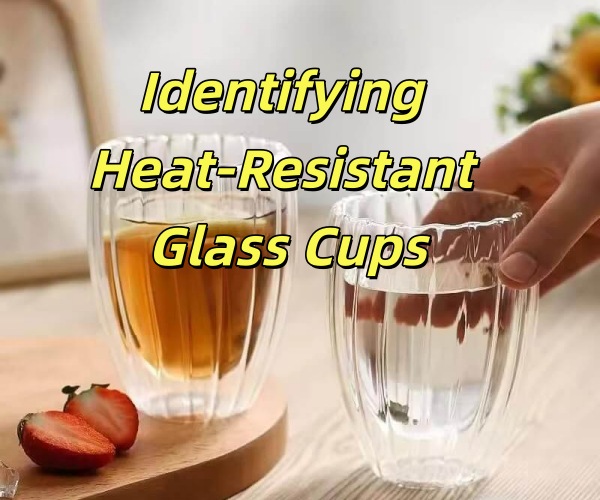
    S Smith Marketing Department, Jiangsu Xinghuo Technology Co., Ltd. · Dec 30, 2025 "Heat-resistant" is printed on a great many glass cups, but the word alone tells you almost nothing. Some cups safely hold boiling tea all day; others crack when hot liquid meets a cool room. The difference is not luck and it is not price — it is the glass composition and, just as importantly, what the maker actually means by heat resistance. This guide separates the two numbers buyers confuse (maximum use temperature and thermal shock resistance), explains how borosilicate and ordinary soda-lime glass really behave, and shows how to verify a cup from a specification sheet instead of a home test. A textured borosilicate glass gaiwan made for brewing hot tea Two different numbers, two different risks When suppliers say "heat-resistant", they are usually combining two specifications that buyers should keep separate: Maximum (continuous) use temperature is how hot the glass can be while staying evenly heated — for example sitting in an oven or holding boiling water. It describes heat the whole piece shares at the same time. Thermal shock resistance is the sudden temperature difference the glass survives — hot tea poured into a cold cup, or a hot glass rinsed under cold water. This uneven heating is what cracks most everyday glass, and it is the number that matters for tea and coffee cups. A cup can tolerate boiling water when it is already warm and still fail if the same boiling water hits a chilled, thick base. Always ask for the thermal shock rating, not just a maximum temperature. Borosilicate vs soda-lime: what actually changes Heat resistance comes mainly from composition. Adding boron oxide (high-borosilicate glass is roughly 13% B₂O₃) lowers the thermal expansion coefficient to about 3.3 × 10⁻⁶/°C, against roughly 9 × 10⁻⁶/°C for ordinary soda-lime glass. Lower expansion means the glass moves far less when heated, so internal stress stays low. Property High-borosilicate Soda-lime Typical use range Roughly −20 to 150°C Ambient to moderately hot; avoid sudden change Thermal shock Commonly rated for a 100°C+ difference Low; vulnerable to rapid heating or cooling Weight and feel Lighter, thinner walls for equal strength Usually heavier for the same size Typical uses Tea and coffee ware, double-wall mugs, lab glass Everyday tumblers, water and juice glasses Two clarifications matter for buyers. First, soda-lime glass is not single-use and it is not banned from hot drinks — a tempered or evenly warmed soda-lime cup can hold hot beverages and is often microwave-safe for reheating. What it does not tolerate is a sharp temperature step, an oven, or a direct flame. Second, crystal (including the lead-free crystal we produce) is chosen for clarity and a thin rim, not for heat; fine crystal stems should be kept away from boiling water and ovens regardless of whether they contain lead. For the full material comparison, including clarity, weight and price, see our soda-lime vs crystal vs borosilicate guide. How to verify a heat-resistant cup reliably Markings help, but print is easy to add. A defensible purchasing decision rests on documents and stated limits: Read the material claim. Look for "high borosilicate glass" or the boron-oxide content, not only the generic phrase "heat-resistant", which is sometimes applied to ordinary glass. Ask for both numbers. Request the maximum use temperature and the thermal shock rating in °C, plus the test method they refer to. A printed "max 230°C" with no shock rating does not protect a cold cup from boiling water. Check the parts that are not glass. Many heat-resistant cups have PP, silicone or bamboo lids and sleeves. The glass may take boiling water while the plastic lid cannot go in an oven or should come off in the microwave. Confirm each component separately. Get the food-contact evidence. Ask for third-party lead and cadmium migration test reports for the market you sell into. We arrange these on request rather than displaying certification marks we cannot support. Home "tests" that do not prove anything Buyers sometimes repeat a few informal checks. They are not reliable and one of them is dangerous: The "ring test". Tapping a cup and listening for a clear tone mostly reflects shape, thickness and how the glass is held; both good soda-lime and ordinary borosilicate can ring. It cannot identify composition or a shock rating. Weight and wall thickness. Borosilicate is often lighter, but design, tempering and wall thickness overlap between types, so heft alone is not proof. A boiling-water shock test. Never pour boiling water into a cold cup at home to "see what happens". If the glass is ordinary or already flawed it can break violently and scald you. Thermal shock is measured in a controlled laboratory, not at the sink. In daily use, warm the cup gradually and avoid cold surfaces and metal spoons against hot glass. Buyer checklist for heat-resistant glass cups Ask for Why it matters Confirmed high-borosilicate composition Generic "heat-resistant" labelling can mean soda-lime Thermal shock rating and test method This, not a max temperature, predicts cracking from hot pours Per-component lid and sleeve limits Plastic or bamboo parts usually cannot match the glass temperature Food-contact migration reports Lead and cadmium evidence for your destination market Correct care labelling No open flame, pre-warm for boiling drinks, lid off in microwave We manufacture borosilicate drinkware — including tea and coffee cups, double-wall mugs and lidded tea ware — to your specification, with stated thermal performance, component limits and third-party test reports available. For heat-resistant food storage, our borosilicate food container notes cover lids and meal-prep use. The documentation we actually hold is summarised on our quality and compliance page. Frequently asked questions Can I tell heat-resistant glass from the sound when I tap it? Not reliably. The tone depends mainly on shape, thickness and how the cup is held, so it cannot identify borosilicate or confirm a thermal shock rating. Check the stated material and the supplier's specification sheet instead. Can borosilicate glass go straight from the fridge into boiling water? High-borosilicate glass is commonly rated for a temperature difference of 100°C or more, but we do not advise deliberately shocking any glass. Warming a cup before adding boiling liquid and avoiding a cold worktop or metal spoon is safer and extends the life of the piece; follow the specific rating on the spec sheet. Is soda-lime glass microwave-safe? Many soda-lime cups are fine for gentle reheating when they are at room temperature and labelled accordingly. Soda-lime has low thermal shock resistance, so it should not meet boiling liquid while cold, go into a hot oven, or be subjected to sudden cooling. For repeated hard thermal use, specify borosilicate. Do you provide the heat and food-contact specifications before ordering? Yes. We provide the confirmed material, the stated use-temperature and thermal shock figures with their test reference, per-component lid limits, and third-party lead and cadmium migration reports for your market, so the listing and packaging claims match what the glass actually does. Related reading Soda-lime vs crystal vs borosilicate glass: a full material comparison Borosilicate glass food containers: a buyer's guide Glass cup market trends in 2026 Specify heat-resistant glass you can stand behind Send us your target use — tea, coffee, double-wall mugs or lidded ware — and your market. We will confirm borosilicate composition, thermal shock rating, lid limits and third-party test reports, with MOQ and lead time. Email export@xinghuoglass.com. Request a Factory Quote
  • What Are Stemless Wine Glasses Used For?
    What Are Stemless Wine Glasses Used For? Dec 23, 2025
    S Smith Marketing Department, Jiangsu Xinghuo Technology Co., Ltd. · Dec 23, 2025 Stemless wine glasses have moved from a novelty to a standard line in hospitality and retail, but they are often sold with claims that do not quite hold up. A stemless glass is not simply a tumbler, and it is not automatically better than a stemmed one — it is a different tool for a different way of drinking. This guide explains what stemless wine glasses are genuinely used for, the trade-offs buyers should know (including two that are commonly presented backwards), and the design and OEM details that separate a credible wine glass from a plain cup with a wine-shaped name. A stemless glass used for a casual iced pour What a stemless wine glass actually is A stemless wine glass keeps the wine-shaped bowl but removes the stem and foot, so it sits directly on the table like a tumbler. A well-designed one still follows basic tasting geometry: A generous bowl that gives the wine room to release aroma, rather than a straight-sided water cup. A gently narrowed rim that concentrates aroma and directs the pour, instead of a wide open top. A stable, flat base with enough weight to sit securely and resist tipping. If the bowl is simply a cylinder with no taper, it is a tumbler and will not present wine the same way. That geometric difference is worth checking on a sample before committing to an own-label run. We make these in lead-free crystal and soda-lime for wine, and in borosilicate where heat resistance and outdoor durability matter more than fine-dining presentation. What stemless glasses are genuinely used for The strength of the stemless shape is relaxed, lower-risk drinking — not formal tasting. It earns its place in: Casual restaurants, bars and room service, where speed, low breakage and easy clearing matter more than ceremony. Patios, poolsides, picnics and events, where a lower centre of gravity and no fragile stem reduce spills. Tastings and receptions serving many guests, because the shape is approachable and easy to hold while standing. Multi-purpose use as a water, juice, spritz or dessert glass, which lets a venue or retailer carry one SKU across several serves. The trade-offs, including two that are often stated backwards Stemless glasses are convenient, but some marketing claims reverse the physics. Two are worth correcting: Hand warmth is real, not negligible. Because the hand wraps the bowl, a stemless glass warms the wine faster than a stemmed one held by the stem. The effect is small over a quick casual pour but meaningful for white, rosé or sparkling held for a while. Guide drinkers to hold the lower bowl, and keep stemmed glassware for long, cool serves. We cover the mechanics in our notes on hand temperature and wine. Stemless does not mean fewer fingerprints. The opposite is usually true: fingers now touch the bowl — the part you drink from — while a stemmed glass is held by a stem that never meets the wine. Expect more wiping and polishing on the bowl, not less. Stability is the genuine advantage. Removing the tall stem lowers the centre of gravity, so the glass tips less easily — this, rather than temperature or smudges, is the strongest reason to choose it. "Stackable" needs care. Straight-sided tumblers nest well, but a tapered wine bowl should not be forced deeply into another; the bowls can jam and build stress. Specify a shape designed for shallow nesting if storage is the goal. For fine dining and prolonged tasting, a stemmed glass still controls temperature and aroma better. How much the bowl itself changes the wine is explained in our guide to wine glass shape and taste. Design details buyers should specify For a private-label or wholesale order, the difference between a credible stemless wine glass and a generic cup comes down to a few measurable details: Specification What to ask for Material Lead-free crystal for clarity; hospitality-weight soda-lime for volume; borosilicate for outdoor and heat Capacity Roughly 250–450 ml; larger for reds, smaller and taller for whites and rosé Rim and bowl Fire-polished even lip; bowl that tapers, not a plain cylinder Base and wall Flat weighted base for stability; even wall thickness; no stress at the thickest point Decoration and care Logo placed low on the bowl away from the mouth; commercial-wash tested engraving or print Because hands cover much of the bowl, a logo placed high can disappear in use and sit close to the drinker's mouth; a lower placement or an etched mark near the base tends to look cleaner and last longer. Our decoration and processing options cover engraving, fired decal and durable print. You can see a representative 250 ml stemless goblet and the wider stemless wine glass range; matched glass sets suit retail gifting. Compliance, packing and care Food-contact evidence. We produce lead-free, cadmium-aware food-contact glass and can arrange third-party lead and cadmium migration test reports for the market you sell into; we do not display certification marks we cannot support. See our quality and compliance overview. Washing. Most stemless wine glasses are dishwasher-safe and, without a stem, fit racks easily. Recommend a top rack for crystal and avoid hard contact; hand washing keeps the shine longest. Thermal care by material. Soda-lime and crystal should avoid sudden temperature change; borosilicate handles far greater thermal shock for venues that move between hot and cold serves. Export packing should separate the bowls to prevent rim chipping in transit. For a hospitality line, the wider choice between stemmed and stemless and how to standardise a venue is covered in our commercial wine glass guide. Frequently asked questions Do stemless wine glasses change the flavour of the wine? A well-shaped tapered bowl presents aroma much like a stemmed glass, so flavour is not significantly affected for everyday drinking. The main difference is temperature: the hand warms the wine faster, which matters most for white, rosé and sparkling over a long pour rather than a quick casual serve. Are stemless glasses suitable for every type of wine? They work well for everyday reds, whites, rosé and spritzes, with larger bowls for reds and narrower shapes for whites. For sparkling wine a flute keeps bubbles longer, and for extended fine-wine tasting a stemmed glass still controls temperature better. Can stemless wine glasses be stacked? Straight-sided tumblers nest reasonably, but tapered wine bowls should not be pushed deep into one another, as they can jam and create stress. If compact nesting is a core requirement, specify a shape designed for shallow nesting rather than a classic wine bowl. Can you customise stemless glasses with our brand? Yes. We manufacture to your own brand in lead-free crystal, soda-lime or borosilicate, with custom capacity, colour and engraving or durable print, gift or export packing, and third-party migration reports on request. We agree the mould and tolerances up front so repeat orders match. Related reading Does hand warmth change red wine taste? Commercial wine glasses for restaurants and hotels Why the shape of a wine glass changes what you taste Build a stemless wine glass range that lasts in service Tell us your channel — retail, hospitality or events — target capacity, material and branding. We will recommend bowl geometry, base weight, durable logo placement and packing, with MOQ, lead time and third-party test reports on request. Email export@xinghuoglass.com. Request a Factory Quote
  • What Can You Store in Borosilicate Glass Jars? A Practical Guide for Modern Homes
    What Can You Store in Borosilicate Glass Jars? A Practical Guide for Modern Homes Dec 22, 2025
    In today’s kitchens, food storage isn’t just about keeping ingredients fresh—it’s also about choosing safe, durable, and eco‑friendly materials. At Xinghuo Glass, we design high‑quality glassware that supports a healthier and more organized lifestyle. Among our most popular products are borosilicate glass canister, loved for their clarity, strength, and versatility. If you’re wondering what exactly borosilicate glass canister are best used for, here’s a simple guide to help you get the most out of them. What Makes Borosilicate Glass Special? Borosilicate glass contains about 13% boron oxide, giving it exceptional performance compared to regular glass. Its key benefits include: High heat resistance — withstands temperatures up to 450°C and sudden temperature changes of over 150°C Excellent chemical stability — safe for acidic, alkaline, and oily foods Crystal‑clear transparency — easy to see what’s inside Non‑toxic and eco‑friendly — BPA‑free, lead‑free, and food‑safe These qualities make borosilicate glass one of the best materials for food storage. What Can You Store in Borosilicate Glass Jars? 1. Dry Goods Perfect for keeping pantry staples fresh and organized: Rice, oats, quinoa Beans and lentils Nuts and seeds Dried fruit Airtight lids help prevent moisture, pests, and odors—ideal for long‑term storage. 2. Spices and Seasonings Because glass doesn’t absorb smells or react with ingredients, it’s great for: Salt, sugar, pepper Spice blends Dried herbs Homemade chili oil or infused oils Your flavors stay pure and aromatic. 3. Liquids Borosilicate glass is highly resistant to corrosion, making it safe for: Honey, jam, maple syrup Soy sauce, vinegar, olive oil Homemade kombucha or fermented drinks For light‑sensitive liquids, choose an amber or opaque version. 4. Baking Ingredients Keep your baking station neat and easy to navigate: Flour, cocoa powder, baking powder Chocolate chips, sprinkles Food coloring The clear jar walls help you find ingredients at a glance. 5. Leftovers and Meal Prep Thanks to its heat‑resistant design, borosilicate glass can go from fridge to microwave or oven* without cracking. Great for: Soups and stews Salads and overnight oats Pre‑portioned meals     ♠Always check whether the lid is microwave‑ or oven‑safe. Why Choose Xinghuo Glass Borosilicate Jars? 100% food‑grade borosilicate glass FDA and LFGB certified Wide‑mouth design for easy filling and cleaning Silicone sealing ring for airtight freshness Stackable shapes to save space Reusable and recyclable—better for the planet Tips for Best Use Avoid placing empty jars directly on open flames or stovetops Hand‑washing helps extend the life of silicone seals For long‑term storage of dark liquids, choose a light‑blocking jar A Smarter Way to Store Food Borosilicate glass jars are more than just containers—they’re a step toward a cleaner, safer, and more sustainable kitchen. Whether you’re a home cook, a baker, or someone who loves an organized pantry, Xinghuo Glass jars are designed to fit seamlessly into your lifestyle. 👉 Browse Xinghuo Glass's high borosilicate glass canister series now  
  • The Art and Science Behind Glassware Manufacturing: A Xinghuo Glass Insight
    The Art and Science Behind Glassware Manufacturing: A Xinghuo Glass Insight Nov 26, 2025
    At Xinghuo Glass, we believe that every glass you hold—whether it’s a crystal-clear wine goblet, a durable borosilicate tumbler, or an elegant serving bowl—tells a story of craftsmanship, precision, and centuries-old tradition fused with modern innovation. But have you ever wondered how raw materials transform into the beautiful, functional glassware gracing your dining table? In this blog post, we’ll take you behind the scenes of glassware manufacturing, revealing the meticulous processes that go into creating our premium crystal glass and high borosilicate glass collections—from raw sand to your home. Why Glass? Beauty Meets Functionality Glass has been cherished for millennia—not just for its luminous clarity and elegance, but also for its non-toxic, non-porous, and eco-friendly properties. At Xinghuo Glass, we specialize in two main types of high-end glassware: Crystal Glass Series: Known for its brilliance, weight, and resonant ring—perfect for luxury drinkware and decorative tableware. High Borosilicate Glass Series: Engineered for thermal shock resistance, durability, and everyday use—ideal for coffee carafes, water bottles, and oven-to-table bakeware. Both lines are designed with European and North American lifestyles in mind—combining aesthetics, safety, and sustainability. Step 1: Precision Raw Material Selection It all starts with purity. Our glass begins with carefully selected raw materials: Silica sand (SiO₂) – the primary component Soda ash (Na₂CO₃) – lowers melting temperature Limestone (CaCO₃) – adds stability For borosilicate glass, we add boron trioxide (B₂O₃), which gives the glass exceptional resistance to thermal stress (up to 150°C temperature differentials!) For lead-free crystal glass, we use potassium oxide and barium oxide to achieve sparkle and clarity without compromising safety All materials meet FDA, LFGB, and EU food-contact safety standards—ensuring your glassware is 100% safe for daily use. Step 2: High-Temperature Melting – Where Magic Begins The raw batch is melted in state-of-the-art electric furnaces at temperatures between 1,400°C and 1,600°C. This energy-efficient process ensures: Ultra-low impurities Consistent color and clarity Reduced carbon footprint (aligned with our sustainability goals) Unlike traditional gas-fired furnaces, our electric melting system offers precise temperature control—critical for producing both delicate crystal stems and robust borosilicate pitchers. Step 3: Shaping the Vision – Handcrafted & Automated Techniques Depending on the product type, we use different forming methods: ✦ Blow-and-Press Molding (for drinkware & stemware) Used for wine glasses, tumblers, and carafes. Molten glass is blown into precision molds using compressed air, then pressed to perfect the base and rim. This hybrid method ensures thin walls, smooth rims, and balanced weight—hallmarks of premium tableware. ✦ Press Molding (for plates, bowls, and lids) Ideal for flatware and storage containers. Hot glass is pressed into molds under high pressure, creating uniform thickness and sharp detailing. ✦ Free-Blown or Machine-Assisted Hand Blowing (for artisanal crystal pieces) For our luxury crystal collection, skilled artisans guide the shaping process, adding a human touch that machines can’t replicate—each piece subtly unique. Step 4: Annealing – The Secret to Durability Freshly formed glass contains internal stresses from rapid cooling. If unaddressed, these can cause spontaneous breakage. That’s why every Xinghuo product undergoes a controlled annealing process: Heated to ~550°C (the “strain point”) Held for several hours Slowly cooled to room temperature This step dramatically improves impact resistance and longevity—so your glassware survives dishwashers, ice cubes, and daily use. Step 5: Rigorous Quality Control Before any item leaves our facility, it passes through multiple inspection stages: ✅ Visual inspection – for bubbles, streaks, or mold marks✅ Dimensional accuracy – verified with laser calipers✅ Thermal shock testing – borosilicate items are cycled from boiling water to ice water✅ Rim smoothness & balance test – especially critical for stemware✅ Food safety certification checks Less than 1% of production fails to meet our standards—and those pieces are fully recycled back into the melt. Sustainability: Clear Commitment to a Greener Future As a responsible manufacturer, Xinghuo Glass prioritizes eco-conscious practices: Up to 40% recycled glass (cullet) in every batch Zero wastewater discharge from production Energy-efficient electric melting reduces CO₂ emissions by 30% vs. conventional methods Plastic-free packaging using recycled paper and molded pulp We’re proud to support the global shift toward reusable, long-lasting alternatives to single-use plastics. Bringing Elegance to Your Table—Responsibly Crafted From the quartz-rich sands of nature to the refined glassware in your kitchen cabinet, the journey of a Xinghuo glass is one of science, artistry, and unwavering quality control. Whether you’re sipping morning coffee from our borosilicate tumbler or toasting with lead-free crystal flutes, you’re experiencing centuries of glassmaking heritage—reimagined for modern living. Explore our full collections of glass drinkware, dinnerware, and barware—designed in Europe, crafted in China, loved worldwide. About Xinghuo Glass Xinghuo Glass is a leading manufacturer of premium home glassware, specializing in lead-free crystal glass and high borosilicate glass products for the global market. With ISO 9001 certifications, we deliver beauty, safety, and sustainability in every piece. 🌍 Serving customers in the USA, Canada, UK, Germany, France, Australia, and beyond. 📧 Contact us for wholesale inquiries or custom design collaborations.  
  • From Workshop to Table: The Journey of Crystal Glassware
    From Workshop to Table: The Journey of Crystal Glassware Nov 18, 2025
    Discover the Art, Craft, and Elegance Behind Every Xinghuo Crystal Piece When you raise a crystal glass to toast a special occasion, have you ever wondered about its journey—from molten silica in a workshop to a gleaming centerpiece on your dining table? At Xinghuo Glass, we believe that true luxury lies in the details. Our handcrafted crystal glassware is more than just tableware—it’s a legacy of precision, passion, and centuries-old craftsmanship. In this blog post, we’ll take you behind the scenes of how lead-free crystal glassware is made, why it remains a timeless choice for connoisseurs worldwide, and what sets Xinghuo crystal products apart in today’s competitive market. Why “Crystal Glassware” Tops Google Searches A quick look at Google Trends and keyword data reveals consistent interest in terms like: “crystal glassware set” “lead-free crystal glasses” “handmade crystal wine glasses” “luxury glassware for home” “best crystal brand for gifting” These searches reflect a growing demand for high-quality, eco-conscious, and aesthetically refined glassware—exactly what Xinghuo Glass delivers. By integrating these SEO-friendly keywords naturally throughout our content, we aim not only to inform but also to connect with discerning customers who value authenticity, sustainability, and design excellence. Step 1: The Raw Materials – Purity Meets Innovation Unlike ordinary glass, true crystal glassware contains minerals like barium or zinc (in lead-free formulations) that enhance clarity, weight, and resonance. At Xinghuo, we use eco-friendly, lead-free crystal formulas that meet EU and FDA safety standards—ensuring beauty without compromise. 🔍 Did you know? Lead-free crystal is not only safer for daily use but also produces a brighter, cleaner ring when tapped—making it ideal for wine tasting and fine dining. Step 2: Handcrafting in the Workshop – Where Skill Shapes Beauty Every Xinghuo piece begins in our artisan workshop in China’s glass-making heartland. Skilled craftsmen heat the crystal batch to over 1,400°C, then blow, cut, and polish each item by hand—a process that can take up to 15 meticulous steps. Our hand-cut crystal patterns—from classic diamond facets to modern geometric lines—are designed to refract light like a prism, turning even water into a sparkling display. This dedication to handmade crystal glassware ensures no two pieces are exactly alike, offering you a truly unique addition to your collection. Step 3: Quality Control – The Xinghuo Standard Before any item leaves our facility, it undergoes rigorous inspection: Clarity test under natural light Rim smoothness verification Balance and stability check Sound resonance evaluation Only pieces that meet our “Table-Ready Perfection” standard are packaged for global delivery. Step 4: From Our Workshop to Your Table Whether you’re hosting a dinner party, celebrating an anniversary, or selecting a corporate gift, Xinghuo crystal glassware elevates every moment. Our bestsellers include: Wine Glass Set – Designed for optimal aeration and aroma release Whiskey Tumblers – Heavy-bottomed with hand-engraved bases Champagne Flutes – Tall, slender, and perfect for bubbly elegance All products are shipped in sustainable, protective packaging—because luxury should never cost the earth. Why Choose Xinghuo Glass? ✅ Lead-Free & Eco-Certified✅ Handcrafted by Master Artisans✅ Custom Branding Available for Hotels & Retailers✅ Global Shipping with White-Glove Service Options We partner with boutique hotels, premium retailers, and interior designers worldwide to bring authentic Chinese crystal craftsmanship to international tables. Final Thoughts: More Than Glass—It’s an Experience The journey of crystal glassware—from workshop to table—is a story of fire, finesse, and human touch. At Xinghuo Glass, we don’t just make glasses; we craft moments of connection, celebration, and quiet luxury. Explore our collection today and bring home the brilliance of genuine lead-free crystal—where every sip feels like a ceremony. 👉 Shop Now at xinghuoglass.com 👉 Request a Wholesale Catalog
  • Choosing the Perfect Wine Glass: A Beginner’s Guide
    Choosing the Perfect Wine Glass: A Beginner’s Guide Nov 13, 2025
    🍷 Introduction When it comes to enjoying wine, the right glass makes all the difference. A well-designed wine glass not only enhances the aroma and flavor but also elevates the overall drinking experience. At Xinghuo Glass, we specialize in crafting high-quality crystal glassware that combines elegance, durability, and functionality. This beginner’s guide will help you understand how to choose the perfect wine glass for your home or special occasions. 🔑 Why the Right Wine Glass Matters Aroma Enhancement: The shape of the bowl influences how aromas are concentrated. Flavor Balance: Different wines taste better in glasses designed for their unique characteristics. Visual Appeal: Crystal clarity adds sophistication to your table setting. Durability: Household glassware should be both beautiful and practical for everyday use. 🥂 Types of Wine Glasses Wine Type Recommended Glass Key Features Red Wine Large bowl, wide opening Allows oxygen to soften tannins and release aromas White Wine Smaller bowl, narrow rim Preserves crispness and maintains cooler temperature Sparkling Wine Flute or tulip shape Keeps bubbles longer and enhances effervescence Dessert Wine Small, compact glass Concentrates sweetness and aroma 🌟 Tips for Beginners Start Simple: Invest in versatile crystal wine glasses suitable for both red and white wines. Quality Over Quantity: A few durable, elegant pieces from Xinghuo Glass can serve multiple occasions. Consider Stem vs. Stemless: Stemmed glasses prevent heat transfer from your hand, while stemless designs are modern and casual. Care and Maintenance: Hand-wash crystal glassware when possible, and store carefully to avoid scratches. 🌍 Trends in Wine Glassware Eco-Friendly Glassware: Sustainable materials are increasingly popular among households. Modern Designs: Minimalist and geometric shapes are trending in 2025. Luxury Appeal: Collectors and enthusiasts prefer handcrafted crystal glassware for its timeless elegance. ✨ Conclusion Choosing the perfect wine glass doesn’t have to be complicated. By understanding the basics of shape, size, and material, beginners can elevate their wine experience instantly. At Xinghuo Glass, we are proud to offer a wide range of household crystal glassware designed to bring elegance and functionality to every sip. 👉 Explore our collection today and discover how the right wine glass can transform your dining moments.  
1 2 3 4 5
A total of5pages

Email Awesomeness!

Subscribe

Xml Privacy Policy Blog Sitemap

Copyright © 2026 Jiangsu Xinghuo Technology Co., Ltd. All Rights Reserved. Network Supported

Leave A Message

Leave A Message
If you are interested in XINGHUO Glass products or need more details, please leave a message below. Our sales team will respond within 24 hours.
Submit

Home

Products

whatsApp

contact